B2B Procurement Guide
Rooftop Tent Packaging and Carton Dimensions Guide
A buyer’s guide to rooftop tent packaging layers, final carton measurement, gross weight, labels, pallet decisions, validation and version control.
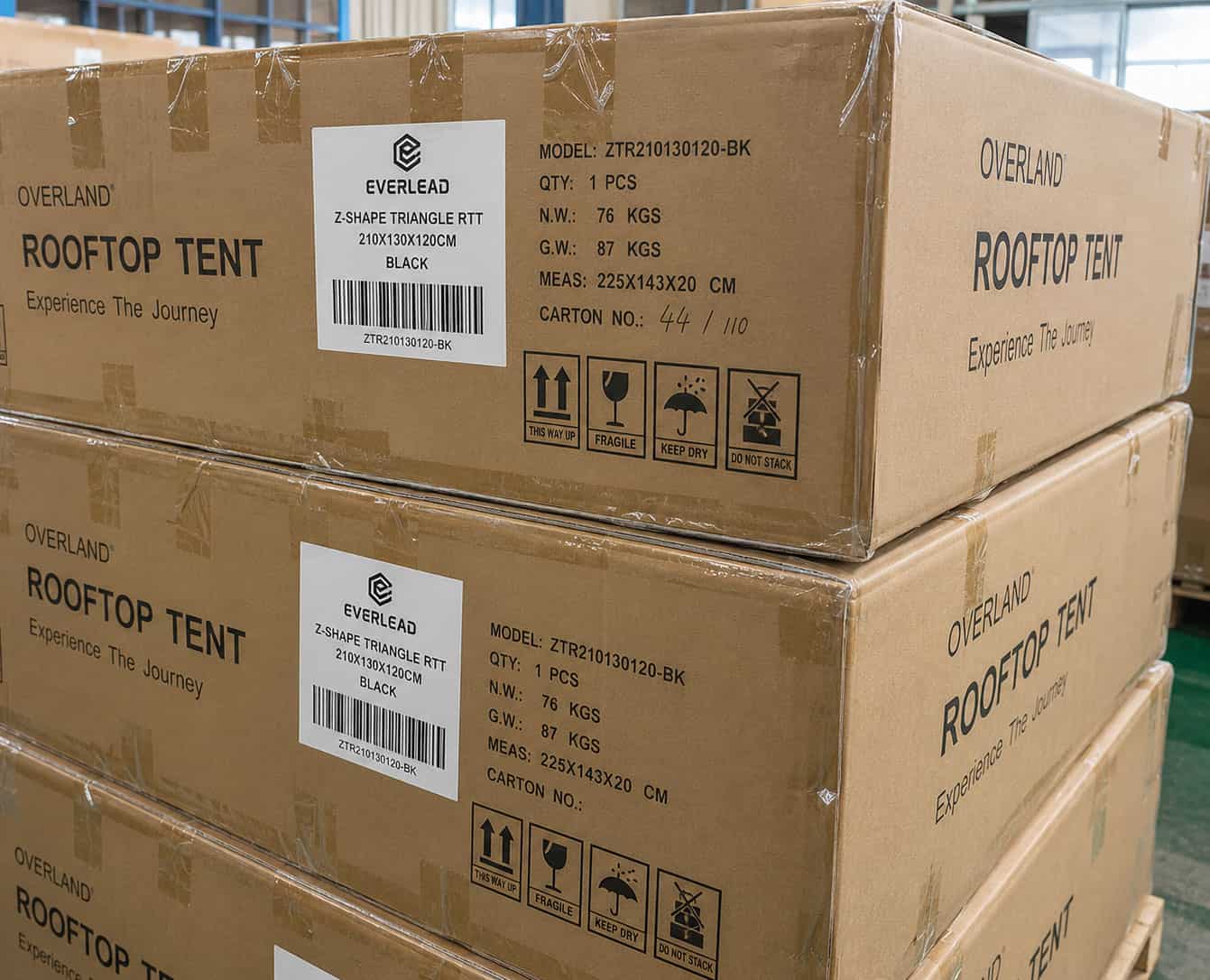
Direct answer: Rooftop tent carton dimensions must be measured on the final packed unit, in its intended shipping condition, after all accessories, foam, corner protection, straps, labels and closure are applied. Record the maximum outside length, width and height plus gross weight; do not copy closed product dimensions into freight files. A useful packaging specification also shows the layer sequence, protected impact zones, accessory containment, carton grade or approved material reference, closure method, handling orientation, shipping marks, pallet decision and validation evidence. Re-measure whenever the product or pack changes. The quotation, carton drawing, booking, packing list, warehouse record and loading plan must all use the same revision. Estimated measurements are acceptable for early planning only when clearly labelled as estimates.
Search intent: Create a final, measurable and logistics-ready rooftop tent packing specification.
Who this is for: Importers, packaging engineers, purchasing managers, warehouses, 3PL teams and freight planners.
Separate Product Size From Final Packed Size
Design and document packaging around product protection, warehouse handling, freight measurement, receiving inspection and traceable carton data for each rooftop tent configuration. Use the table as a working record: mark each answer as assumption, verified or approved; name the source file; and stop a decision when its evidence does not match the exact configuration under review.
| Decision area | What must be defined | Evidence and red-flag test |
|---|---|---|
| Measurement method | define orientation, outermost points, compression state, rounding rule and equipment used for carton length, width and height. | Request approved shipping-mark and handling-label proof. Red flag: carton measured before final accessories are packed. |
| Weight method | separate product net weight, accessory weight, packaging tare, gross carton weight and palletized shipment weight. | Request pallet or floor-loading decision. Red flag: gross weight copied from an estimate. |
| Protection zones | identify shell corners, hinges, latches, rails, ladder interfaces, fabric edges and protruding hardware that require blocking or cushioning. | Request packing trial and transport-validation record. Red flag: foam protects flat panels but not protrusions. |
| Material stack | specify bags, films, foam density, edge boards, honeycomb, corrugated grade, straps and moisture control by packaging layer. | Request matching dimensions across all logistics files. Red flag: loose hardware marks the shell. |
| Accessory containment | prevent hardware, tools, ladder parts and manuals from moving, scratching surfaces or disappearing during receiving inspection. | Request destination receiving and damage-inspection plan. Red flag: inspection opening destroys closure strength. |
| Closure control | document tape pattern, staples, straps, corner guards, seal labels and reopening rules for inspection without weakening final protection. | Request corrective-action and packaging-revision log. Red flag: pallet overhang creates edge damage. |
| Carton markings | include model, quantity, gross weight, dimensions, orientation, handling icons, batch reference, barcode and destination-specific labels. | Request approved shipping-mark and handling-label proof. Red flag: booking dimensions differ from production cartons. |
| Pallet decision | compare floor loading, forklift access, warehouse practice, carrier rules, unloading equipment and damage exposure before adding pallets. | Request pallet or floor-loading decision. Red flag: damage photos omit carton orientation. |
| Validation trial | photograph packing sequence, measure packed samples, perform agreed handling checks and inspect the product after reopening. | Request packing trial and transport-validation record. Red flag: carton measured before final accessories are packed. |
| Data consistency | align carton drawing, quotation, packing list, booking data, warehouse system and forwarder instructions to the same revision. | Request matching dimensions across all logistics files. Red flag: gross weight copied from an estimate. |
| Receiving plan | tell importers where to inspect impacts, moisture, crushed corners, strap marks, missing labels and accessory movement before acceptance. | Request destination receiving and damage-inspection plan. Red flag: foam protects flat panels but not protrusions. |
| Improvement loop | classify transit damage by route, carrier, pallet position, impact zone, packaging revision and corrective action rather than anecdote. | Request corrective-action and packaging-revision log. Red flag: loose hardware marks the shell. |
Measure and Specify the Complete Packing System
Step 1: Measurement method
define orientation, outermost points, compression state, rounding rule and equipment used for carton length, width and height. Record the current assumption, responsible owner and the event that turns it into an approved decision.
Decision output: A repeatable method for maximum outside dimensions.
Step 2: Weight method
separate product net weight, accessory weight, packaging tare, gross carton weight and palletized shipment weight. Make the result usable by the next team instead of leaving it in a sales conversation.
Decision output: Gross weight measured with all packed contents and protection.
Step 3: Protection zones
identify shell corners, hinges, latches, rails, ladder interfaces, fabric edges and protruding hardware that require blocking or cushioning. If the answer changes stock, safety, cost or customer communication, require written approval.
Decision output: A map of shell edges, corners, hardware and other vulnerable zones.
Step 4: Material stack
specify bags, films, foam density, edge boards, honeycomb, corrugated grade, straps and moisture control by packaging layer. Link the decision to the exact model, sample or file revision so a later team can reproduce it.
Decision output: A layer sequence with approved material references.
Step 5: Accessory containment
prevent hardware, tools, ladder parts and manuals from moving, scratching surfaces or disappearing during receiving inspection. Define what evidence closes the item and when it must be reviewed again.
Decision output: A fixed compartment or restraint method for accessories.
Step 6: Closure control
document tape pattern, staples, straps, corner guards, seal labels and reopening rules for inspection without weakening final protection. Test the process with real staff before it becomes a public or contractual promise.
Decision output: A closure and inspection-opening procedure that preserves pack strength.
Packing Evidence for Freight and Receiving Teams
For importers, packaging engineers, purchasing managers, warehouses, 3pl teams and freight planners., evidence should survive staff changes, shipment arrival and customer claims. Store it by model and revision, not only by supplier name. Commercial estimates remain conditional until the approved quotation, sample and final packing records agree.
Carton markings
include model, quantity, gross weight, dimensions, orientation, handling icons, batch reference, barcode and destination-specific labels.
Evidence to request: approved shipping-mark and handling-label proof. If the file, sample, photograph or responsible owner cannot be named, keep the point marked as an assumption.
Pallet decision
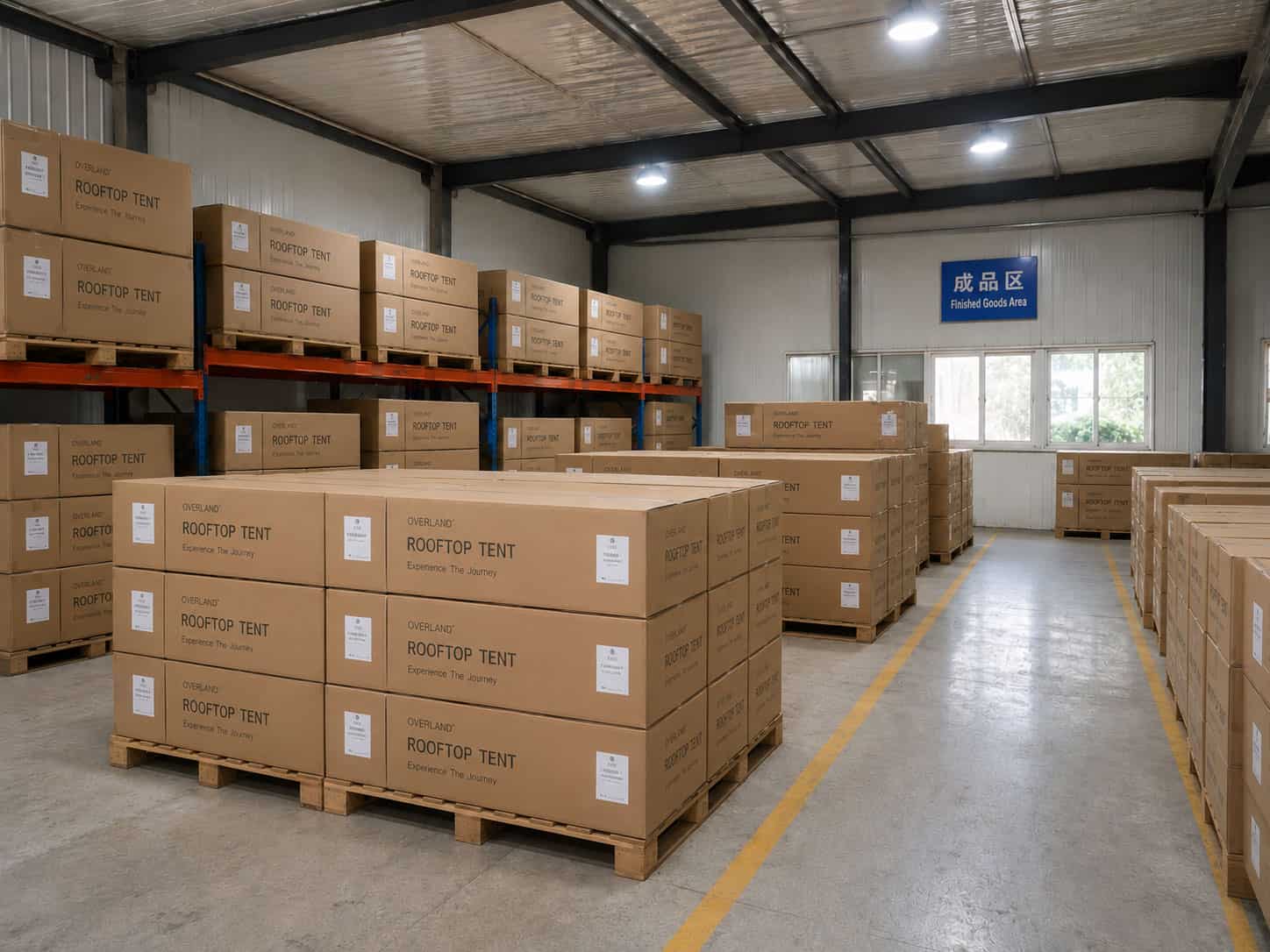
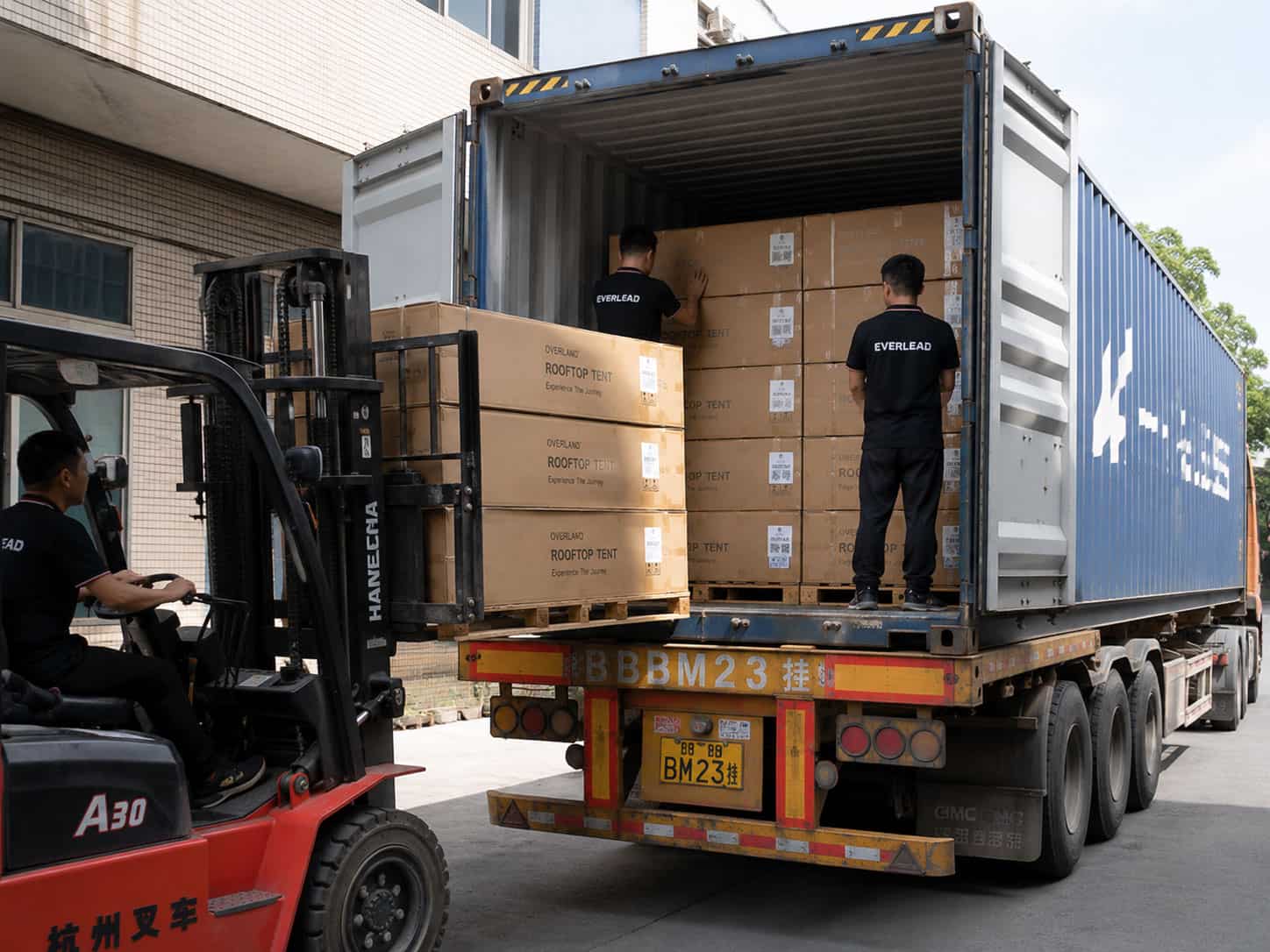
compare floor loading, forklift access, warehouse practice, carrier rules, unloading equipment and damage exposure before adding pallets.
Evidence to request: pallet or floor-loading decision. If the file, sample, photograph or responsible owner cannot be named, keep the point marked as an assumption.
Validation trial
photograph packing sequence, measure packed samples, perform agreed handling checks and inspect the product after reopening.
Evidence to request: packing trial and transport-validation record. If the file, sample, photograph or responsible owner cannot be named, keep the point marked as an assumption.
Data consistency
align carton drawing, quotation, packing list, booking data, warehouse system and forwarder instructions to the same revision.
Evidence to request: matching dimensions across all logistics files. If the file, sample, photograph or responsible owner cannot be named, keep the point marked as an assumption.
Receiving plan
tell importers where to inspect impacts, moisture, crushed corners, strap marks, missing labels and accessory movement before acceptance.
Evidence to request: destination receiving and damage-inspection plan. If the file, sample, photograph or responsible owner cannot be named, keep the point marked as an assumption.
Improvement loop
classify transit damage by route, carrier, pallet position, impact zone, packaging revision and corrective action rather than anecdote.
Evidence to request: corrective-action and packaging-revision log. If the file, sample, photograph or responsible owner cannot be named, keep the point marked as an assumption.
Worked Carton Measurement Example
Worked example based on the current internal specification brief: one Z-shape hard-shell configuration lists a package size of 225 × 143 × 20 cm. Its geometric carton volume is 2.25 × 1.43 × 0.20 = 0.6435 m³. This is a planning calculation, not proof of the final pack. The buyer should re-measure the approved production-style carton at the farthest points and record gross weight, orientation and packing revision before booking freight.
| Layer or record | What the specification should show | Operational effect |
|---|---|---|
| Surface layer | Approved sleeve, bag or film and the surfaces it covers. | Controls abrasion and moisture exposure without making an unsupported performance claim. |
| Edges and corners | Protection locations, material reference and fit. | Prevents a flat-panel-only design from ignoring impact points. |
| Accessory zone | Fixed location, quantities and movement restraint. | Loose hardware can damage the shell or create receiving discrepancies. |
| Outer carton | Maximum dimensions, closure, orientation and marks. | Feeds freight, loading, warehouse and carrier decisions. |
Set up a repeatable carton measurement station
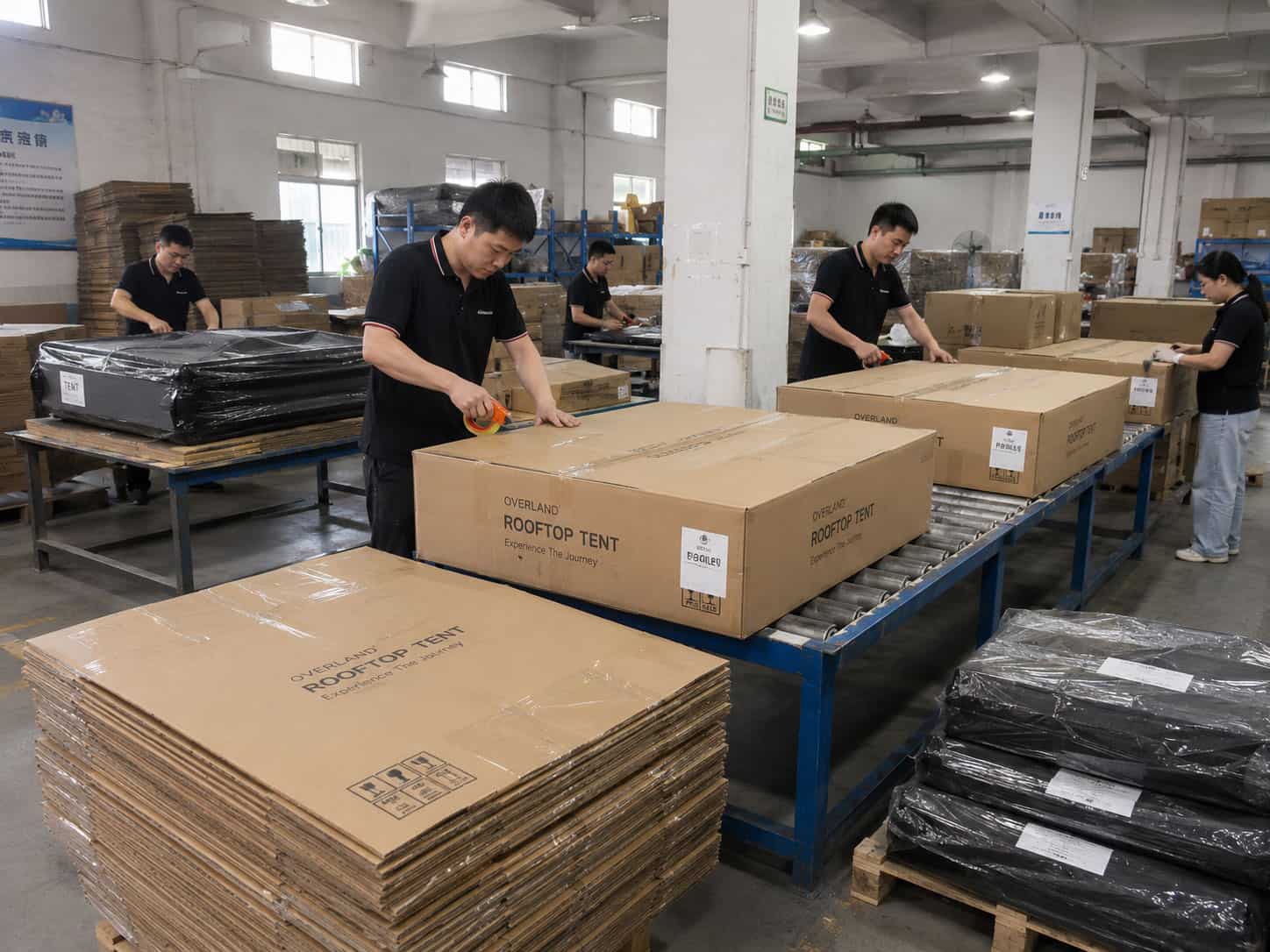
Use a level floor, a verified scale and measuring tools suitable for the carton size. Let the completed pack settle in its intended natural-base orientation without compressing flexible faces. Measure the maximum extent of length, width and height, including bowed panels, edge caps, handles, straps and closure bulges. Record who measured, the tool, unit, carton sample, date and ambient condition. A photograph should show each measurement plane and the gross-weight display.
Measure more than one production-style pack when variation is plausible. Do not average away a maximum that affects freight or racking; report the approved nominal value and the project’s control method. If an inspection opening requires new tape, straps or staples, close the sample exactly as shipping production will be closed before recording dimensions. A carton measured before the accessory bag, manual or protective cap is inserted is an engineering estimate rather than final logistics data.
The packing specification should include a layer drawing, protection-zone photographs, accessory-position map, closure instruction, label artwork and a revision table. Receiving teams need a damage code system that distinguishes corner crush, puncture, water staining, strap pressure, shell contact and missing contents. Those codes let packaging engineers trace route-specific failures and decide whether the correction belongs to material, geometry, handling or loading.
Packaging and Dimension Mistakes
Red flags are useful only when they trigger action. Assign every risk to a buyer or supplier owner, define the evidence required to close it and review unresolved items before sample approval, deposit, production release and shipment.
- To prevent carton measured before final accessories are packed, define a responsible owner, the control action and the closure record required before approval.
- To prevent gross weight copied from an estimate, define a responsible owner, the control action and the closure record required before approval.
- To prevent foam protects flat panels but not protrusions, define a responsible owner, the control action and the closure record required before approval.
- To prevent loose hardware marks the shell, define a responsible owner, the control action and the closure record required before approval.
- To prevent inspection opening destroys closure strength, define a responsible owner, the control action and the closure record required before approval.
- To prevent pallet overhang creates edge damage, define a responsible owner, the control action and the closure record required before approval.
- To prevent booking dimensions differ from production cartons, define a responsible owner, the control action and the closure record required before approval.
- To prevent damage photos omit carton orientation, define a responsible owner, the control action and the closure record required before approval.
Final Packing Specification Checklist
Use this final list as an approval record. A checked item means the exact model, unit, condition, source and revision are documented—not merely discussed.
- Measurement method: define orientation, outermost points, compression state, rounding rule and equipment used for carton length, width and height.
- Weight method: separate product net weight, accessory weight, packaging tare, gross carton weight and palletized shipment weight.
- Protection zones: identify shell corners, hinges, latches, rails, ladder interfaces, fabric edges and protruding hardware that require blocking or cushioning.
- Material stack: specify bags, films, foam density, edge boards, honeycomb, corrugated grade, straps and moisture control by packaging layer.
- Accessory containment: prevent hardware, tools, ladder parts and manuals from moving, scratching surfaces or disappearing during receiving inspection.
- Closure control: document tape pattern, staples, straps, corner guards, seal labels and reopening rules for inspection without weakening final protection.
- Carton markings: include model, quantity, gross weight, dimensions, orientation, handling icons, batch reference, barcode and destination-specific labels.
- Pallet decision: compare floor loading, forklift access, warehouse practice, carrier rules, unloading equipment and damage exposure before adding pallets.
- Validation trial: photograph packing sequence, measure packed samples, perform agreed handling checks and inspect the product after reopening.
- Data consistency: align carton drawing, quotation, packing list, booking data, warehouse system and forwarder instructions to the same revision.
- Receiving plan: tell importers where to inspect impacts, moisture, crushed corners, strap marks, missing labels and accessory movement before acceptance.
- Improvement loop: classify transit damage by route, carrier, pallet position, impact zone, packaging revision and corrective action rather than anecdote.
Sources and Methodology
For the intent “Create a final, measurable and logistics-ready rooftop tent packing specification.”, this guide combines the SUVTent rooftop tent project knowledge base, current internal product briefs and the sources below. Advice is identified as a decision method; numerical examples are labelled illustrative or tied to the stated specification brief. Certifications, MOQ, lead time, warranty, loading quantity and commercial terms are not treated as confirmed unless the selected model and approved project documents support them.
- GS1 Package and Product Measurement Standard: https://www.gs1.org/standards/gs1-package-and-product-measurement-standard/current-standard
About the supplier: EVERLEAD is the product brand used by Guangdong Jituo Outdoor Products Co., Ltd. For importers, packaging engineers, purchasing managers, warehouses, 3pl teams and freight planners., the relevant B2B discussions may involve rooftop tents, camping shelters and related outdoor products. Wholesale, private-label, OEM and ODM scope is confirmed by selected model and approved project requirements.
Buyer FAQ
When should carton dimensions be measured?
Measure after the final product, accessories and all packing layers are assembled in the intended shipping condition.
Should protrusions be included?
Yes. Record the maximum outside distance, including any handle, strap, bulge or projection that affects the packed envelope.
Is carton volume enough for freight planning?
No. Door clearance, orientation, weight, stackability, protection, pallets and carrier rules also affect loadability and cost.
When must packing data be revised?
Re-measure and review when the product, included contents, packaging materials, closure or pallet method changes.
What should buyers request from the supplier?
Request the current carton drawing, packing layers, net and gross weight, labels, handling orientation, pallet option and validation evidence for the selected configuration.