Quick answer: A rooftop tent factory page should help buyers evaluate process control, not just factory photos. Useful factory content explains material preparation, assembly checkpoints, waterproof discussions, hardware inspection, packaging review, sample approval, and how buyers can ask for evidence before placing orders.
Rooftop Tent Factory Review for B2B Sourcing Teams
Factory pages often become vague because they say 'quality' without showing what buyers should check. A better page gives procurement teams a way to ask concrete questions about components, inspection, packaging, and production communication.
SUVTent factory discussions should stay practical. Buyers can request process photos, sample review notes, packaging details, and QC checkpoints, but they should also understand that claims such as certificates or test results must be verified with actual documents.
Process visibility
Ask how materials, hardware, tent body, base, ladder, and packaging are checked before shipment.
Buyer evidence
Request sample photos, carton information, and inspection notes that help compare suppliers without relying on slogans.
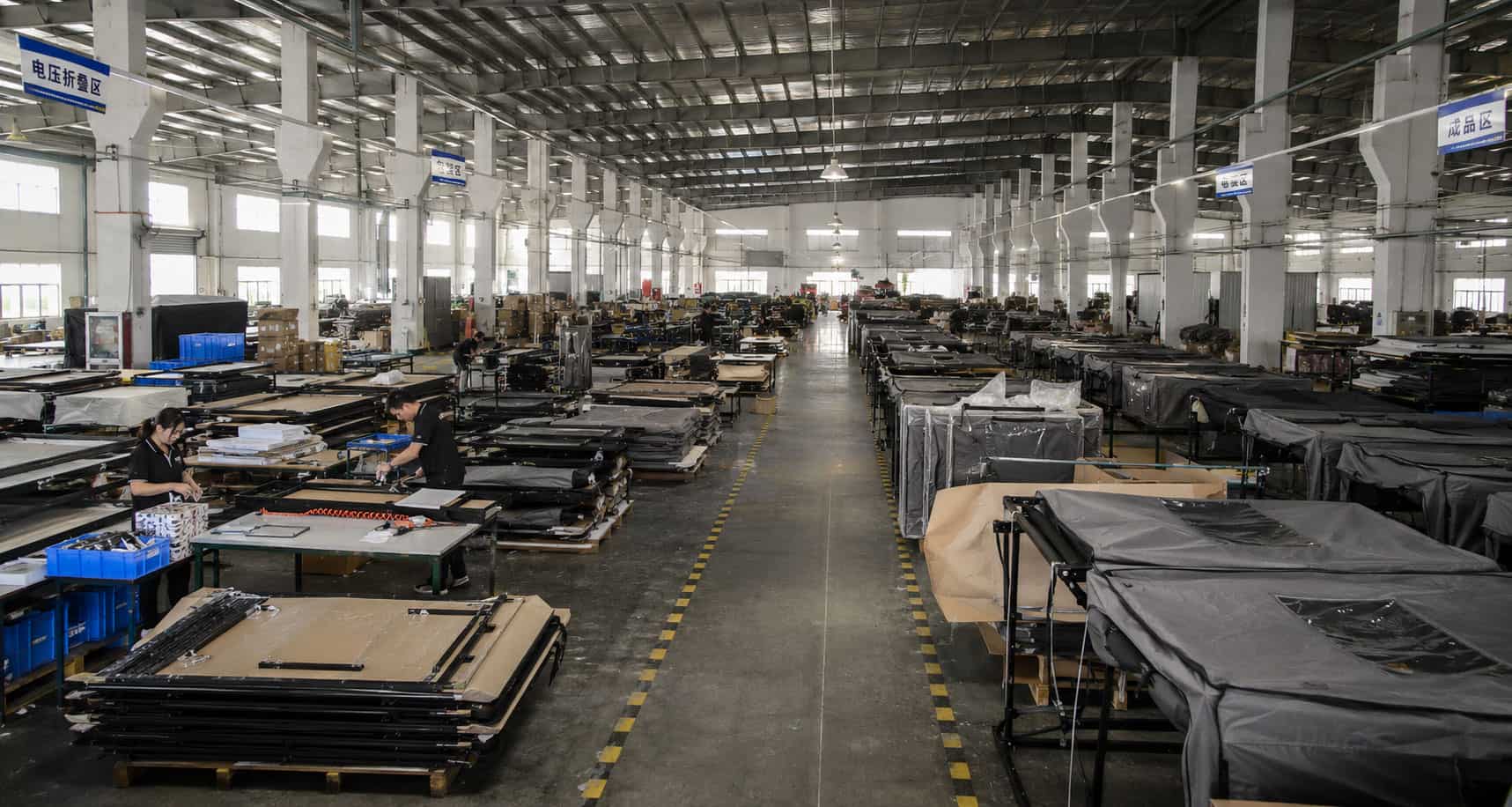
Factory Capability Questions
| Evaluation area | What to check | Why it matters |
|---|---|---|
| Material stage | Shell, fabric, base board, zippers, mesh, ladder, mounting kit, and hardware. | Bad components create after-sales issues even if assembly looks clean. |
| Assembly stage | Hinge alignment, strut installation, stitching, sealing, ladder fit, and mounting rail position. | Assembly consistency affects setup, safety perception, and customer reviews. |
| Inspection stage | Visual check, function check, accessory count, packaging check, and photo record. | Inspection gives buyers evidence before shipment. |
| Packing stage | Carton strength, corner protection, label, pallet plan, and loading orientation. | Packaging damage can destroy margin and buyer confidence. |
Rooftop Tent Factory Audit Checklist
- Ask which checkpoints are used for shell, fabric, ladder, hardware, and packaging.
- Request sample approval photos before confirming mass production.
- Clarify how missing accessories, surface marks, or carton damage are handled before shipment.
- Check whether spare parts and replacement hardware can be discussed for the buyer's market.
- Verify certificates, test reports, or inspection claims with documents rather than page text alone.
Factory Sourcing Conversation Flow
- Start with product family and expected order quantity.
- Ask for sample and inspection details relevant to that model.
- Review packaging and loading data before comparing total cost.
- Confirm approval points and communication responsibilities.
- Keep a written record of final specifications for the purchase order.
Detailed Sourcing Notes for rooftop tent factory
Rooftop Tent Factory Review for B2B Sourcing Teams should be reviewed as a complete sourcing path. Buyers should connect the page topic with channel role, vehicle segment, model positioning, packaging pressure, sample expectations, and what their own sales team needs to explain after launch. This keeps the discussion grounded in commercial use instead of turning the page into a keyword-only article.
The first evaluation area is material stage: Shell, fabric, base board, zippers, mesh, ladder, mounting kit, and hardware.. This matters because bad components create after-sales issues even if assembly looks clean. The second area is assembly stage: Hinge alignment, strut installation, stitching, sealing, ladder fit, and mounting rail position.. For a buyer comparing suppliers, these two points create a more useful conversation than asking for a general catalog or a single lowest price.
Before sample or bulk discussion, the buyer should start with practical preparation: Ask which checkpoints are used for shell, fabric, ladder, hardware, and packaging. The next step is to request sample approval photos before confirming mass production. Then the buyer can clarify how missing accessories, surface marks, or carton damage are handled before shipment. This sequence gives SUVTent enough context to reply with product information that matches the buyer's actual business model.
The recommended workflow starts when the buyer can start with product family and expected order quantity. After that, the team should ask for sample and inspection details relevant to that model. and review packaging and loading data before comparing total cost. By the time price, MOQ, and delivery terms are compared, both sides should already understand the product role, buyer risk, and support material needed for a cleaner launch.
Best-Fit Buyer Scenarios for rooftop tent factory
This page is most useful for buyers who already have a commercial direction but need to turn that direction into a supplier conversation. For example, one buyer may care most about process visibility, while another buyer may be trying to solve buyer evidence. These are not the same inquiry, so the quotation process should not treat them as the same request.
A strong-fit buyer usually brings enough context for SUVTent to understand the real job behind the keyword. That includes the buyer's sales channel, expected model role, target vehicle group, launch timing, and the type of support material needed for dealers or end customers. Without that context, the reply can only stay general; with it, the discussion can move toward model selection, packaging, sample approval, and order planning.
This page is less suitable for buyers who want a one-line price without model direction, vehicle context, or order plan. Rooftop tent sourcing depends on details such as inspection stage, where buyers need to check Visual check, function check, accessory count, packaging check, and photo record.. The reason is simple: inspection gives buyers evidence before shipment. Those details influence total cost, customer satisfaction, and the amount of after-sales explanation required by the local seller.
If the buyer is ready to move forward, the most useful next message should include three layers. First, check whether spare parts and replacement hardware can be discussed for the buyer's market. Second, verify certificates, test reports, or inspection claims with documents rather than page text alone. Third, the buyer should be ready to confirm approval points and communication responsibilities. and keep a written record of final specifications for the purchase order. This creates a cleaner path from web page reading to a serious B2B inquiry.
One common question is: What should I ask a rooftop tent factory first? The practical answer is: Ask about product family, component checks, sample process, packaging, and what evidence can be provided before shipment. That answer is included here because real buyers often ask this before they are ready to compare formal quotes, and it gives the page a more useful role than a simple landing section.
rooftop tent factory Decision Notes for Procurement Teams
rooftop tent factory planning should stay connected to the buyer's real sales channel. When a buyer compares rooftop tent factory, the discussion should include material stage, assembly stage, and inspection stage instead of stopping at a catalog request.
A useful rooftop tent factory inquiry also explains why the buyer is sourcing now: new product launch, dealer expansion, OEM branding, replacement of an old supplier, or compatibility support for a specific vehicle segment. This gives SUVTent a better way to match rooftop tent factory information with model recommendations, packaging notes, and quote preparation.
For page visitors, the goal of this rooftop tent factory section is clarity. It helps buyers decide whether the page answers their current question, which details still need verification, and when to move from reading to a structured B2B inquiry.
Useful Internal Paths for This Buyer Intent
Continue the sourcing path through rooftop tent products, B2B sourcing support, OEM rooftop tent support, and contact SUVTent. These links are included because the next useful action changes by page: product comparison, compatibility screening, OEM discussion, distributor planning, or direct contact.
Verification Notes for rooftop tent factory
Factory evaluation should combine supplier communication, sample review, documented specifications, and third-party verification when needed. Quality-management references can guide questions, but the buyer should request actual supplier documents. Buyers can use the ISO 9001 quality management overview as a question framework and Google's structured data documentation as context for why page entities and FAQs are marked clearly.
FAQ About rooftop tent factory
What should I ask a rooftop tent factory first?
Ask about product family, component checks, sample process, packaging, and what evidence can be provided before shipment.
Are factory photos enough for supplier evaluation?
No. Photos help, but buyers should also request specifications, sample approval records, and packaging details.
How can I reduce quality risk?
Use clear specs, sample approval, inspection checkpoints, accessory count, and written packaging requirements.
Can SUVTent provide factory-related information?
SUVTent can discuss product process, QC points, packaging, and sourcing questions after the buyer defines model and order plan.
Request Support for rooftop tent factory
Ask for rooftop tent factory process notes, QC checkpoints, packaging data, and order planning support.