Quick answer: A camping tent supplier page should explain how ground tents fit beside rooftop tents in a B2B catalog. Buyers should compare tent structure, user group, packing size, seasonality, private label needs, and whether camping tents support or distract from the main rooftop tent range.
This page is written for outdoor brands, distributors, retailers, and seasonal catalog buyers comparing ground tent and rooftop tent product roles and uses camping tent supplier as the decision topic.
Camping Tent Supplier Options for Outdoor Product Catalogs
Camping tents are adjacent to rooftop tents, but they serve different buyer needs. A rooftop tent is vehicle-based, while ground tents may serve family camping, festival retail, rental, entry-level outdoor customers, or seasonal promotion.
The page should help buyers decide whether camping tents belong in their product range and how they should be positioned next to rooftop tents, awnings, and outdoor appliances.
Catalog expansion
Use camping tents to cover ground-camping customers without weakening the rooftop tent positioning.
Model focus
Compare inflatable camping tents, one-pole tents, family shelters, and private label options by use case.
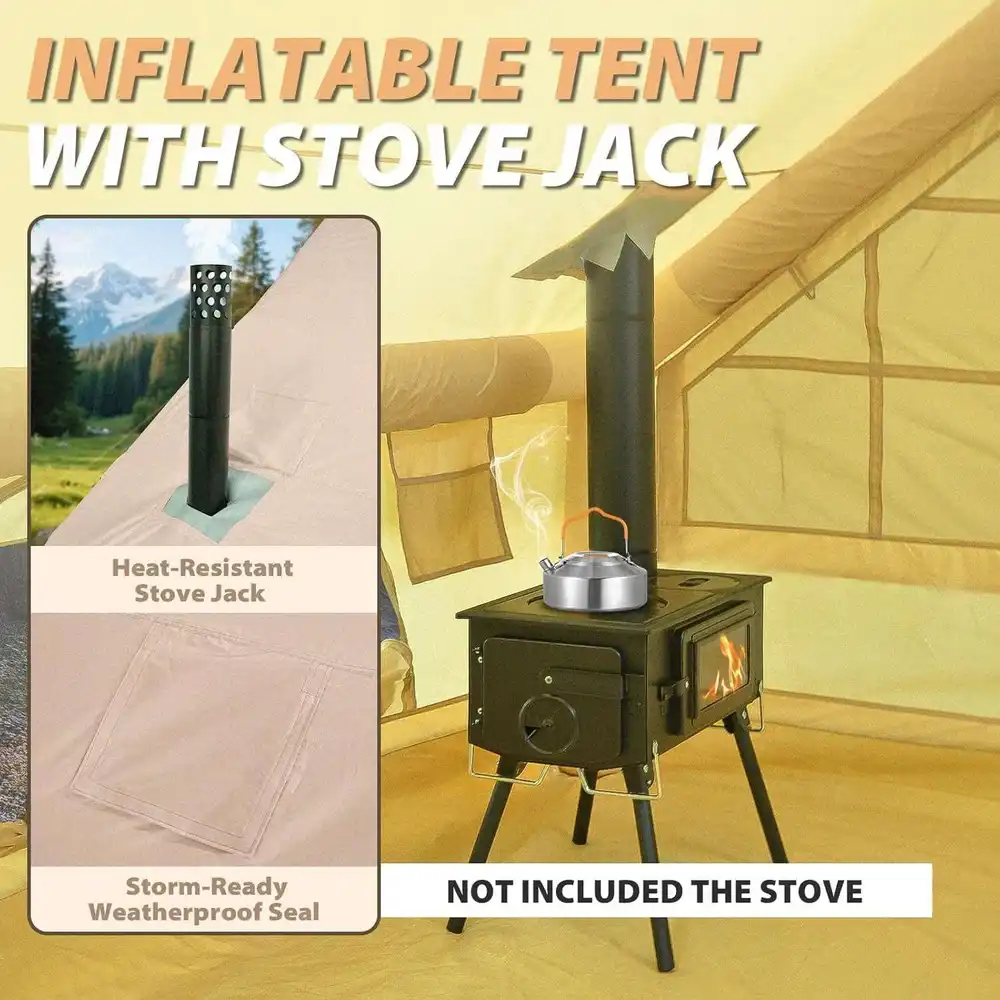
Camping Tent Category Review
| Buyer question | What to review | Why it matters |
|---|---|---|
| Inflatable camping tents | Air-beam setup, fabric, packed size, pump method, and repair support. | Useful for buyers who want fast setup and differentiated retail stories. |
| One-pole or simple tents | Structure simplicity, entry price, carton size, and seasonal demand. | Can fit entry-level or promotional catalog needs. |
| Family shelters | Interior space, ventilation, packing size, and setup explanation. | Supports broader family camping channels. |
| Private label | Logo, color, packaging, manual, and sample approval. | Helps brands extend outdoor product lines carefully. |
Camping Tent Supplier Inquiry Checklist
- Clarify whether camping tents are a core line, seasonal add-on, or private label test.
- Choose the structure type before requesting price comparisons.
- Ask for packed size, carton data, setup media, fabric notes, and repair questions.
- Compare camping tent customer groups against rooftop tent buyers.
- Plan content and media so the camping tent range does not confuse the rooftop tent positioning.
Camping Tent Range Planning Flow
- Define the buyer channel and target customer group.
- Select the tent structure that fits the channel.
- Review sample, packaging, and private label requirements.
- Test a narrow range before adding too many SKUs.
- Use sales feedback to decide whether to expand or keep camping tents as an add-on line.
camping tent supplier Decision Notes for B2B Buyers
camping tent supplier content should help the buyer make a more specific decision, not simply repeat a category name. For this page, the commercial purpose is category page for camping tents as an adjacent shelter line beside rooftop tents. That means the page should explain how the buyer can move from browsing to a useful next action.
The first evaluation area is inflatable camping tents: Air-beam setup, fabric, packed size, pump method, and repair support.. This matters because useful for buyers who want fast setup and differentiated retail stories. The second area is one-pole or simple tents: Structure simplicity, entry price, carton size, and seasonal demand.. Together, these points help buyers compare suppliers by real usefulness instead of generic product claims.
Buyers should also review family shelters and private label. In practice, that means they should clarify whether camping tents are a core line, seasonal add-on, or private label test. and choose the structure type before requesting price comparisons. before asking for final pricing or B2B product sourcing recommendations.
A practical camping tent supplier inquiry should follow a sequence: Define the buyer channel and target customer group. Then the buyer should select the tent structure that fits the channel., review sample, packaging, and private label requirements., and test a narrow range before adding too many skus. This workflow gives SUVTent enough context to respond with relevant product, media, compatibility, or sourcing information.
The final step is to use sales feedback to decide whether to expand or keep camping tents as an add-on line. This keeps the page useful for human buyers while also giving search systems a clear, structured explanation of the buyer intent behind camping tent supplier.
Best-Fit Buyer Scenarios for camping tent supplier
This page is most useful when the buyer already knows the kind of decision they need to make. A buyer focused on catalog expansion will read the page differently from a buyer focused on model focus. The page should help both groups understand what to prepare before asking SUVTent for product, resource, or quote support.
A strong-fit buyer normally has a real business context: distributor launch, dealer training, product category expansion, private label planning, media asset request, or vehicle-based model selection. That context changes how camping tent supplier information should be used. Without it, the supplier can only give broad catalog text; with it, SUVTent can point the buyer toward the right product family, resource path, or inquiry details.
This page is less useful for buyers who want a one-line answer without sharing market, channel, product role, or support needs. The topic includes practical checks such as inflatable camping tents, one-pole or simple tents, family shelters, and private label. Each one affects how the page should guide the next action.
Before contacting SUVTent, buyers should ask for packed size, carton data, setup media, fabric notes, and repair questions. They should also compare camping tent customer groups against rooftop tent buyers. and plan content and media so the camping tent range does not confuse the rooftop tent positioning. This makes the inquiry easier to answer and reduces repeated questions about model choice, media needs, packaging, sample review, or compatibility.
The recommended next step is simple: Define the buyer channel and target customer group. Then select the tent structure that fits the channel. and review sample, packaging, and private label requirements. If the page raises a specific question, move to test a narrow range before adding too many skus. and finally use sales feedback to decide whether to expand or keep camping tents as an add-on line.
One common question for this page is: How do camping tents fit with rooftop tents? The practical answer is: They can serve adjacent ground-camping customers or seasonal catalog needs, but positioning should stay clear. This answer is included because real B2B buyers often need to justify the next step internally before they request a quote, sample, or media package.
For camping tent supplier, SUVTent should be evaluated by how clearly the page turns a broad category or resource question into a next action. If the buyer can leave the page knowing what to compare, what to verify, and what to send in an inquiry, the page is doing useful commercial work instead of only adding SEO text.
Internal Paths Connected to camping tent supplier
Continue through SUVTent's related pages: products, compatibility, wholesale, OEM, sample program, and contact. These links help buyers move from category or resource reading into product selection, compatibility review, sample planning, OEM discussion, wholesale planning, or direct inquiry.
Verification Notes for camping tent supplier
Camping tent buyers should verify fabric specifications, safety requirements, labeling, and market-specific compliance before import or private label sales. Buyers can use the ISO 9001 quality management overview as a question framework and Google's structured data documentation as context for clear page entities and FAQs.
FAQ About camping tent supplier
How do camping tents fit with rooftop tents?
They can serve adjacent ground-camping customers or seasonal catalog needs, but positioning should stay clear.
Which camping tent type should a B2B buyer start with?
Start with the structure that matches the channel: inflatable, family shelter, simple one-pole, or private label test.
Can camping tents be private labeled?
Private label can be discussed through logo, color, packaging, manual, and sample approval requirements.
What information helps SUVTent respond?
Send target market, tent structure, order estimate, packaging needs, and whether the range supports rooftop tent sales.
Next Step for camping tent supplier
Ask SUVTent how camping tents can support a rooftop tent product range, seasonal catalog, or private label outdoor line.