B2B Procurement Guide
How Many Rooftop Tents Fit in a 40HQ Container
Calculate rooftop tent 40HQ loading with verified cartons, container and door dimensions, orientation, weight, practical allowances and mixed-SKU demand.
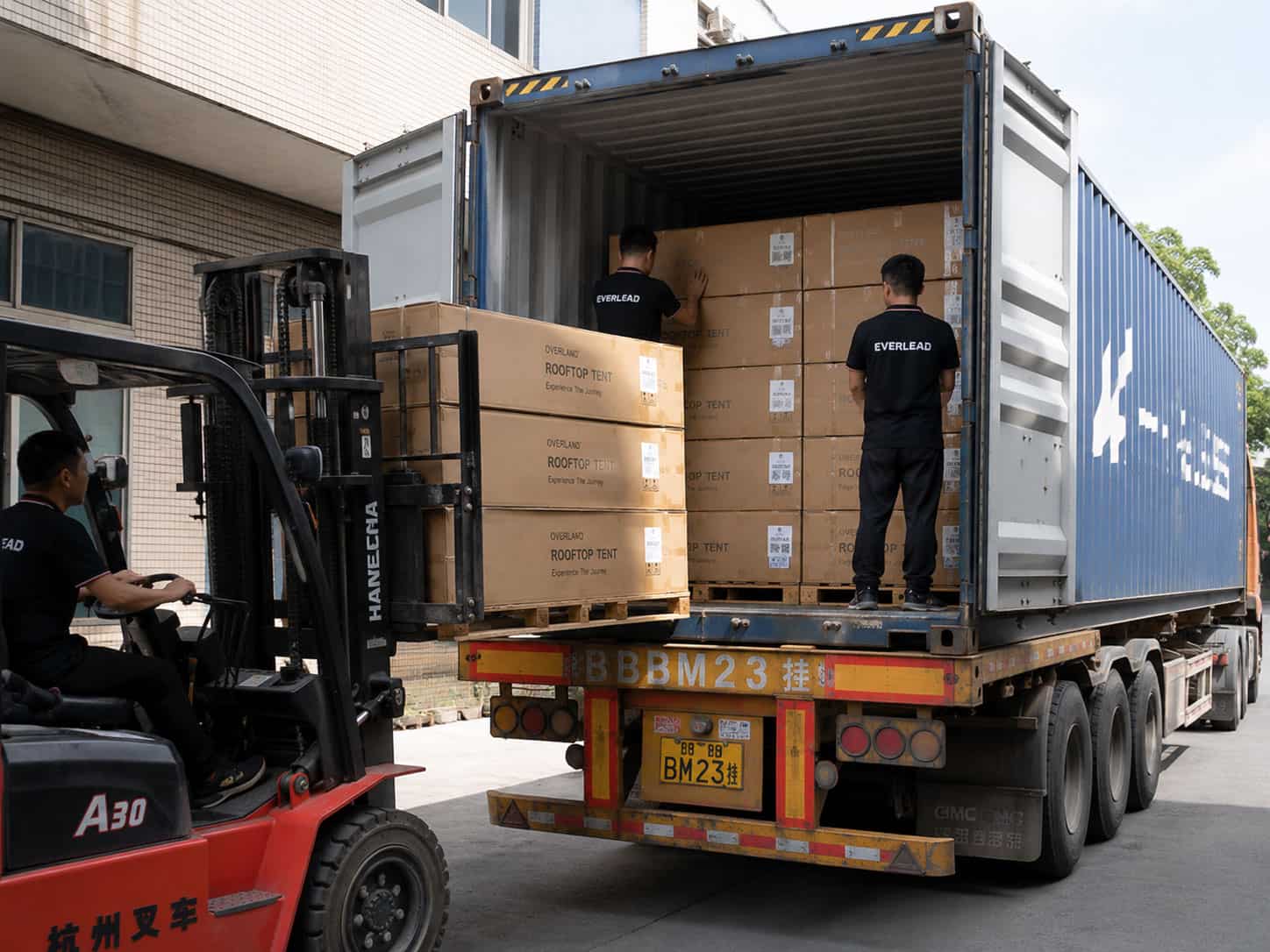
Direct answer: There is no universal number of rooftop tents that fit in a 40HQ container. The count depends on the final carton length, width, height and gross weight; permitted orientation and stackability; container and door dimensions; pallets, dunnage and moisture controls; mixed-SKU demand; and the actual stuffing method. For early planning, calculate every safe axis-aligned orientation, check the door opening, compare payload and volume constraints, then apply a clearly stated practical reserve. For final approval, use production-style packing data and confirm the assigned container with the freight forwarder and loading team. A spreadsheet result is an estimate until a row-by-row plan, weight distribution, restraints, accessory cartons and physical loading evidence agree with it.
Search intent: Calculate a transparent, model-specific 40HQ loading estimate rather than quote a universal unit count.
Who this is for: Importers, logistics managers, purchasing teams, freight forwarders and suppliers preparing container estimates.
Use Model-Specific Inputs and Container Assumptions
Estimate 40HQ loading with verified carton dimensions, orientation, door clearance, mixed-SKU allocation and practical loading constraints instead of relying on a universal unit count. Use the table as a working record: mark each answer as assumption, verified or approved; name the source file; and stop a decision when its evidence does not match the exact configuration under review.
| Decision area | What must be defined | Evidence and red-flag test |
|---|---|---|
| Input verification | use final packed length, width, height and gross weight from an approved production-style carton rather than catalogue dimensions. | Request mixed-SKU allocation worksheet. Red flag: product dimensions substituted for carton dimensions. |
| Internal envelope | confirm usable container length, width, height, door opening and any carrier-specific restrictions with the appointed logistics partner. | Request space allowance for protection and access. Red flag: door opening ignored in a height calculation. |
| Orientation options | test permitted carton rotations while respecting this-side-up markings, shell pressure limits, hardware protrusions and moisture concerns. | Request row-by-row loading sequence. Red flag: unsafe rotation used to improve spreadsheet count. |
| Simple grid | calculate floor columns, length rows and vertical layers for each safe orientation, then compare unused strips and headspace. | Request trial-load or prior-shipment evidence. Red flag: accessories consume unplanned residual space. |
| Door feasibility | verify that the planned final rows can pass the door opening and be maneuvered by the loading team without damaging corners. | Request sensitivity analysis for carton changes. Red flag: pallet height added after unit estimate. |
| Weight feasibility | compare total cargo mass, distribution and axle considerations with volume results because the highest cubic count may not be loadable. | Request estimate disclaimer and forwarder confirmation. Red flag: mixed SKU demand distorted by cube optimization. |
| Mixed-SKU model | allocate hero, core and accessory cartons by commercial demand, then simulate how different footprints consume rows and residual spaces. | Request mixed-SKU allocation worksheet. Red flag: weight distribution omitted. |
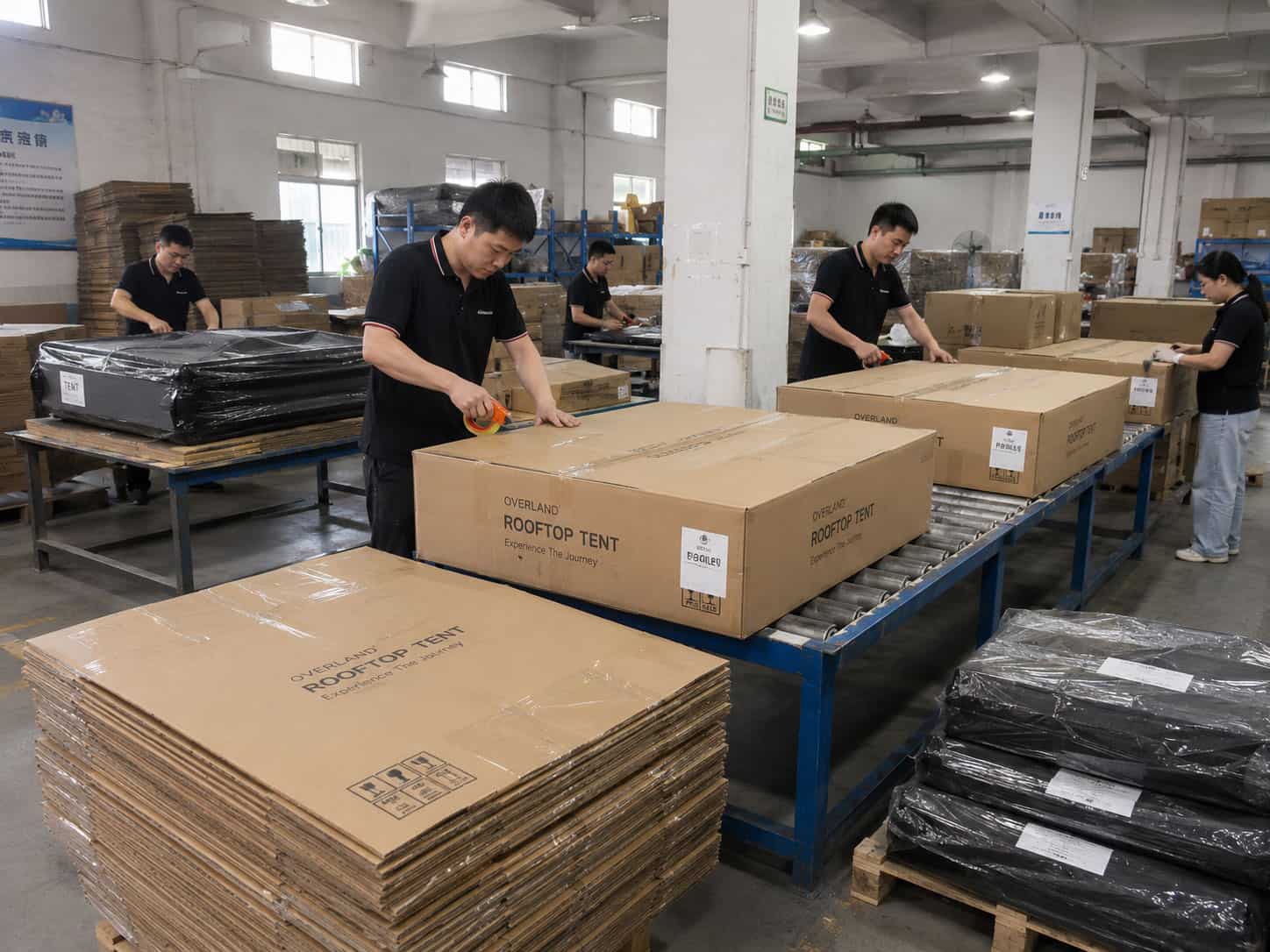
| Protection allowance | reserve realistic room for pallets, dunnage, airbags, desiccants, partitions or bracing required by the agreed loading method. | Request space allowance for protection and access. Red flag: estimated quantity presented as guaranteed loading. |
| Loading sequence | place cartons according to unloading priority, stability, weight distribution and access needs instead of filling every calculated pocket. | Request row-by-row loading sequence. Red flag: product dimensions substituted for carton dimensions. |
| Trial evidence | request loading photographs, row counts, orientation notes, empty-space images and final packing list from a comparable or trial shipment. | Request trial-load or prior-shipment evidence. Red flag: door opening ignored in a height calculation. |
| Sensitivity model | show how a small carton-height or width change affects layers, rows, unit count, freight per unit and mixed-order flexibility. | Request sensitivity analysis for carton changes. Red flag: unsafe rotation used to improve spreadsheet count. |
| Quote language | present the result as an estimate subject to final packing and forwarder confirmation, with assumptions visible beside the number. | Request estimate disclaimer and forwarder confirmation. Red flag: accessories consume unplanned residual space. |
Calculate Grid, Door and Weight Constraints
Step 1: Input verification
use final packed length, width, height and gross weight from an approved production-style carton rather than catalogue dimensions. Record the current assumption, responsible owner and the event that turns it into an approved decision.
Decision output: Approved carton dimensions and gross weight for each SKU.
Step 2: Internal envelope
confirm usable container length, width, height, door opening and any carrier-specific restrictions with the appointed logistics partner. Make the result usable by the next team instead of leaving it in a sales conversation.
Decision output: Actual internal and door dimensions for the assigned box type.
Step 3: Orientation options
test permitted carton rotations while respecting this-side-up markings, shell pressure limits, hardware protrusions and moisture concerns. If the answer changes stock, safety, cost or customer communication, require written approval.
Decision output: Safe orientation options approved for the product and packaging.
Step 4: Simple grid
calculate floor columns, length rows and vertical layers for each safe orientation, then compare unused strips and headspace. Link the decision to the exact model, sample or file revision so a later team can reproduce it.
Decision output: An axis-aligned grid count for each permitted orientation.
Step 5: Door feasibility
verify that the planned final rows can pass the door opening and be maneuvered by the loading team without damaging corners. Define what evidence closes the item and when it must be reviewed again.
Decision output: A door-feasibility check before accepting the best grid.
Step 6: Weight feasibility
compare total cargo mass, distribution and axle considerations with volume results because the highest cubic count may not be loadable. Test the process with real staff before it becomes a public or contractual promise.
Decision output: A payload and weight-distribution check.
Evidence Behind a Practical Loading Estimate
For importers, logistics managers, purchasing teams, freight forwarders and suppliers preparing container estimates., evidence should survive staff changes, shipment arrival and customer claims. Store it by model and revision, not only by supplier name. Commercial estimates remain conditional until the approved quotation, sample and final packing records agree.
Mixed-SKU model
allocate hero, core and accessory cartons by commercial demand, then simulate how different footprints consume rows and residual spaces.
Evidence to request: mixed-SKU allocation worksheet. If the file, sample, photograph or responsible owner cannot be named, keep the point marked as an assumption.
Protection allowance
reserve realistic room for pallets, dunnage, airbags, desiccants, partitions or bracing required by the agreed loading method.
Evidence to request: space allowance for protection and access. If the file, sample, photograph or responsible owner cannot be named, keep the point marked as an assumption.
Loading sequence
place cartons according to unloading priority, stability, weight distribution and access needs instead of filling every calculated pocket.
Evidence to request: row-by-row loading sequence. If the file, sample, photograph or responsible owner cannot be named, keep the point marked as an assumption.
Trial evidence
request loading photographs, row counts, orientation notes, empty-space images and final packing list from a comparable or trial shipment.
Evidence to request: trial-load or prior-shipment evidence. If the file, sample, photograph or responsible owner cannot be named, keep the point marked as an assumption.
Sensitivity model
show how a small carton-height or width change affects layers, rows, unit count, freight per unit and mixed-order flexibility.
Evidence to request: sensitivity analysis for carton changes. If the file, sample, photograph or responsible owner cannot be named, keep the point marked as an assumption.
Quote language
present the result as an estimate subject to final packing and forwarder confirmation, with assumptions visible beside the number.
Evidence to request: estimate disclaimer and forwarder confirmation. If the file, sample, photograph or responsible owner cannot be named, keep the point marked as an assumption.
Three Worked 40HQ Examples
Container assumption: the Hapag-Lloyd 40' Standard High Cube page lists inside dimensions of 12,032 × 2,350 × 2,700 mm and a door opening of 2,340 × 2,597 mm for the referenced equipment, with a maximum payload of 28,600 kg. The carrier warns that specifications can vary within a fleet; confirm the assigned unit.
Formula: for an approved orientation, theoretical grid count = floor(container length ÷ carton length) × floor(container width ÷ carton width) × floor(container height ÷ carton height). Test all permitted rotations, reject any that cannot pass the door or violate handling rules, and compare total gross mass with the confirmed payload.
| Illustrative model input | Best simple grid shown | Theoretical count | 90% planning illustration |
|---|---|---|---|
| Hard-base inflatable, package 140 × 30 × 125 cm | 8 × 7 × 2 | 112 | 100 after flooring; not a loading promise |
| Soft-base inflatable, package 95 × 50 × 45 cm; rotated to 95 × 45 × 50 | 12 × 5 × 5 | 300 | 270; not a loading promise |
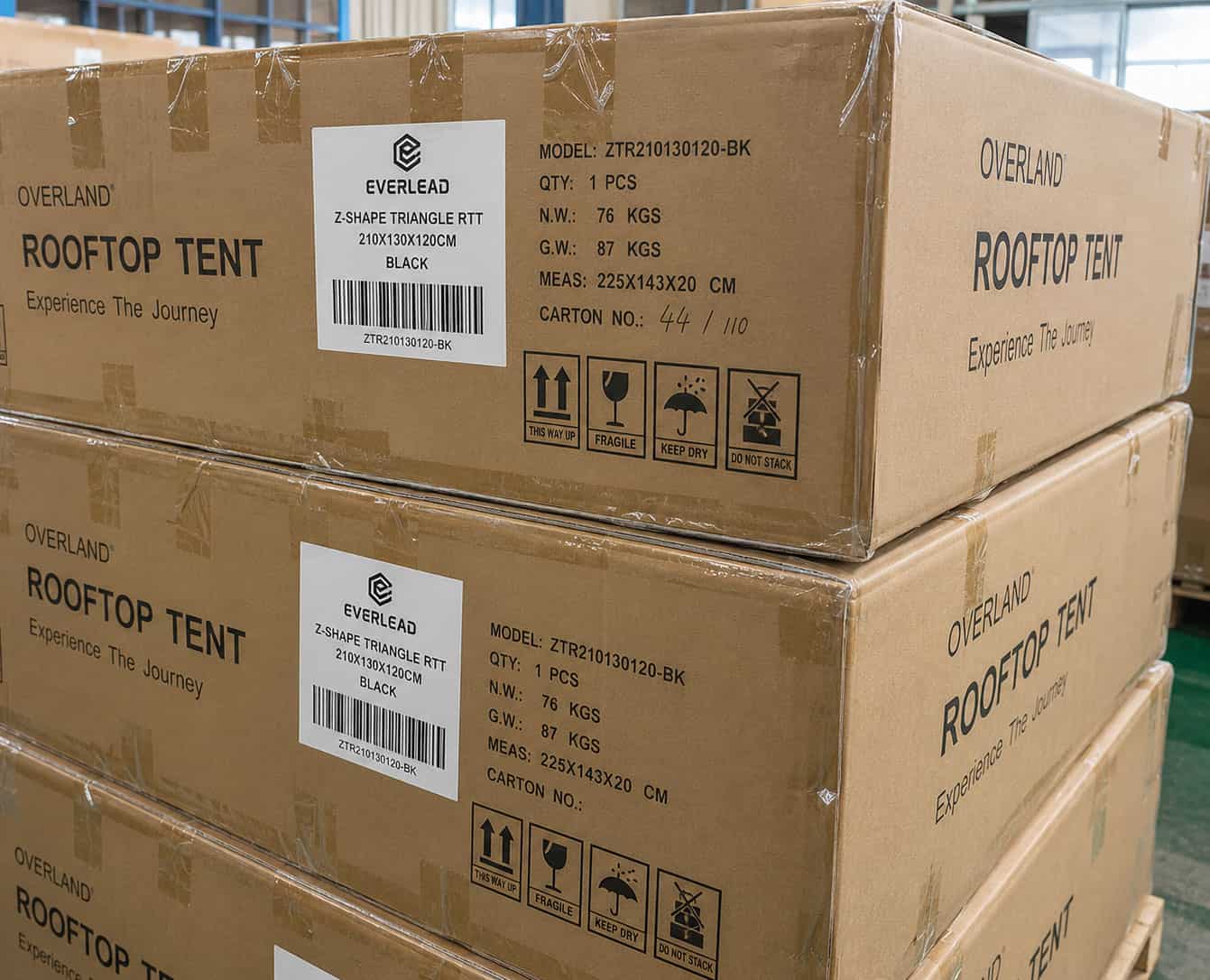
| Z-shape hard shell, package 225 × 143 × 20 cm; rotated to 143 × 225 × 20 | 8 × 1 × 13 | 104 | 93 after flooring; not a loading promise |
These are illustrative arithmetic examples based on dimensions in the current internal specification brief. The 90% factor is an example buyer-selected reserve, not an industry rule. Practical counts can be lower because of stack limits, packaging strength, loading access, restraints, dunnage, pallets, accessory cartons, demand mix and the actual container.
Mixed-SKU and pallet decisions
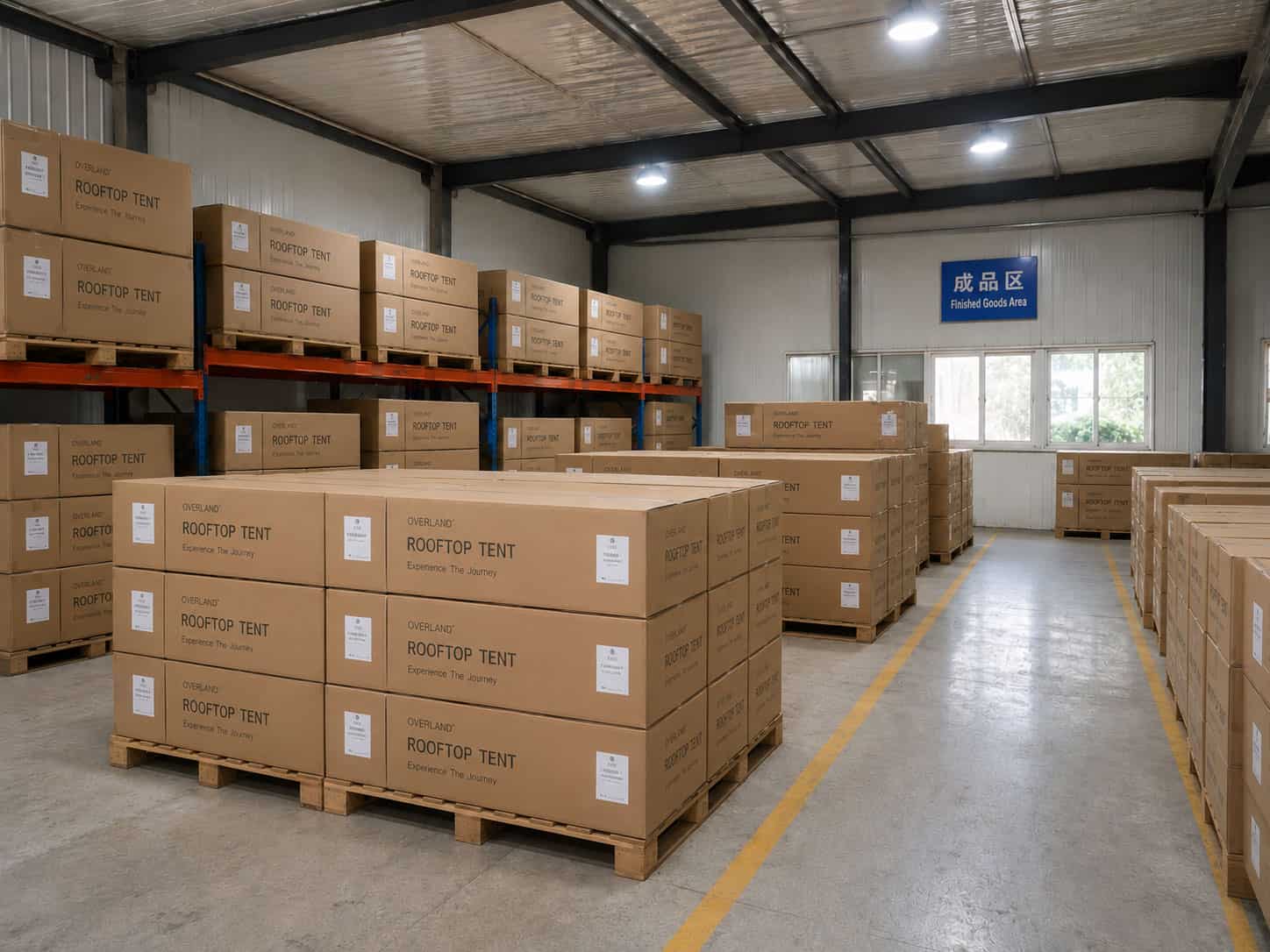
For a mixed order, allocate demand first, then map compatible carton footprints and door-zone needs. Do not optimize cube by forcing unwanted variants. Pallets reduce loose handling but consume floor area and height; compare floor loading and pallet loading as separate plans with confirmed pallet dimensions and gross mass.
Calculation Errors That Inflate the Count
Red flags are useful only when they trigger action. Assign every risk to a buyer or supplier owner, define the evidence required to close it and review unresolved items before sample approval, deposit, production release and shipment.
- To prevent product dimensions substituted for carton dimensions, define a responsible owner, the control action and the closure record required before approval.
- To prevent door opening ignored in a height calculation, define a responsible owner, the control action and the closure record required before approval.
- To prevent unsafe rotation used to improve spreadsheet count, define a responsible owner, the control action and the closure record required before approval.
- To prevent accessories consume unplanned residual space, define a responsible owner, the control action and the closure record required before approval.
- To prevent pallet height added after unit estimate, define a responsible owner, the control action and the closure record required before approval.
- To prevent mixed SKU demand distorted by cube optimization, define a responsible owner, the control action and the closure record required before approval.
- To prevent weight distribution omitted, define a responsible owner, the control action and the closure record required before approval.
- To prevent estimated quantity presented as guaranteed loading, define a responsible owner, the control action and the closure record required before approval.
Final 40HQ Estimate Checklist
Use this final list as an approval record. A checked item means the exact model, unit, condition, source and revision are documented—not merely discussed.
- Input verification: use final packed length, width, height and gross weight from an approved production-style carton rather than catalogue dimensions.
- Internal envelope: confirm usable container length, width, height, door opening and any carrier-specific restrictions with the appointed logistics partner.
- Orientation options: test permitted carton rotations while respecting this-side-up markings, shell pressure limits, hardware protrusions and moisture concerns.
- Simple grid: calculate floor columns, length rows and vertical layers for each safe orientation, then compare unused strips and headspace.
- Door feasibility: verify that the planned final rows can pass the door opening and be maneuvered by the loading team without damaging corners.
- Weight feasibility: compare total cargo mass, distribution and axle considerations with volume results because the highest cubic count may not be loadable.
- Mixed-SKU model: allocate hero, core and accessory cartons by commercial demand, then simulate how different footprints consume rows and residual spaces.
- Protection allowance: reserve realistic room for pallets, dunnage, airbags, desiccants, partitions or bracing required by the agreed loading method.
- Loading sequence: place cartons according to unloading priority, stability, weight distribution and access needs instead of filling every calculated pocket.
- Trial evidence: request loading photographs, row counts, orientation notes, empty-space images and final packing list from a comparable or trial shipment.
- Sensitivity model: show how a small carton-height or width change affects layers, rows, unit count, freight per unit and mixed-order flexibility.
- Quote language: present the result as an estimate subject to final packing and forwarder confirmation, with assumptions visible beside the number.
Sources and Methodology
For the intent “Calculate a transparent, model-specific 40HQ loading estimate rather than quote a universal unit count.”, this guide combines the SUVTent rooftop tent project knowledge base, current internal product briefs and the sources below. Advice is identified as a decision method; numerical examples are labelled illustrative or tied to the stated specification brief. Certifications, MOQ, lead time, warranty, loading quantity and commercial terms are not treated as confirmed unless the selected model and approved project documents support them.
- Hapag-Lloyd 40' Standard High Cube: https://www.hapag-lloyd.com/en/services-information/cargo-fleet/container/40-standard-high-cube.html
- IMO/ILO/UNECE CTU Code: https://unece.org/transport/intermodal-transport/imoilounece-code-practice-packing-cargo-transport-units-ctu-code
About the supplier: EVERLEAD is the product brand used by Guangdong Jituo Outdoor Products Co., Ltd. For importers, logistics managers, purchasing teams, freight forwarders and suppliers preparing container estimates., the relevant B2B discussions may involve rooftop tents, camping shelters and related outdoor products. Wholesale, private-label, OEM and ODM scope is confirmed by selected model and approved project requirements.
Buyer FAQ
How many rooftop tents fit in a 40HQ?
No universal count exists. Use final carton data, safe orientation, container and door dimensions, weight, stackability, protection and SKU mix.
Why can volume division overestimate quantity?
Total cubic volume ignores the rectangular grid, unusable strips, door access, orientation, weight, restraints and practical loading space.
Should product dimensions be used?
No. Use final packed carton dimensions and gross weight for the approved configuration.
Does a theoretical grid equal a booking quantity?
No. It is an upper-bound planning calculation until physical and operational constraints are applied and the forwarder confirms the equipment.
Can EVERLEAD prepare an estimate?
A model-specific estimate can be discussed after selected SKU, final packing dimensions, gross weights, quantities, pallet preference and destination requirements are available.