B2B Procurement Guide
Rooftop Tent Product Data Sheet Fields for Buyers
A reusable rooftop tent data-sheet structure covering identity, dimensions, materials, mounting, included contents, packing, support and version control.

Direct answer: A rooftop tent product data sheet should be the controlled source for one sellable configuration. At minimum it needs model identity and revision; closed, open and packed dimensions with units; net and gross weight; shell, base, fabric, rainfly, mesh, mattress and hardware descriptions; mounting interface and vehicle-side checks; included and optional contents; carton and label data; replaceable parts; and sample, artwork and buyer approvals. Technical facts must be separated from commercial terms and from unverified marketing claims. Every changed dimension, material, accessory or packaging layer requires a dated review because the same field feeds purchasing, freight, listings, manuals, dealer training and warranty support. If two teams use different model names or revisions, the data sheet has already failed.
Search intent: Define the controlled fields needed to buy, list, install, ship and support one rooftop tent configuration.
Who this is for: Purchasing, product data, logistics, sales, installation, compliance and aftersales teams.
Define the Data Sheet and Its Owners
Create a controlled data sheet that gives purchasing, sales, installation, logistics, compliance and aftersales teams one approved source for the configuration being bought. Use the table as a working record: mark each answer as assumption, verified or approved; name the source file; and stop a decision when its evidence does not match the exact configuration under review.
| Decision area | What must be defined | Evidence and red-flag test |
|---|---|---|
| Identity fields | include commercial name, internal model code, supplier code, revision, issue date, configuration status and approved market name. | Request packing checklist for included contents. Red flag: marketing name used as the only identifier. |
| Packed dimensions | record closed length, width, height, net weight, gross weight, carton dimensions and measurement tolerances with units. | Request option matrix separated from standard configuration. Red flag: open and packed dimensions mixed together. |
| Open dimensions | state deployed footprint, sleeping area, internal height, ladder range and clearance zones needed for doors, hatches or awnings. | Request carton drawing, label layout and handling orientation. Red flag: units omitted from measurement cells. |
| Material fields | identify shell, base, fabric, rainfly, mesh, mattress, frame, hinges, fasteners and finish using controlled descriptions. | Request quotation reference for commercial assumptions. Red flag: optional accessories shown as standard contents. |
| Capacity fields | describe intended occupants, sleeping layout and relevant use boundaries without converting unverified assumptions into performance claims. | Request replaceable-parts and maintenance reference. Red flag: mounting interface lacking bar-range detail. |
| Mounting fields | list interface type, supplied brackets, compatible bar ranges, fastener specification, installation references and vehicle-side checks. | Request buyer and supplier approval record. Red flag: carton revision not linked to product revision. |
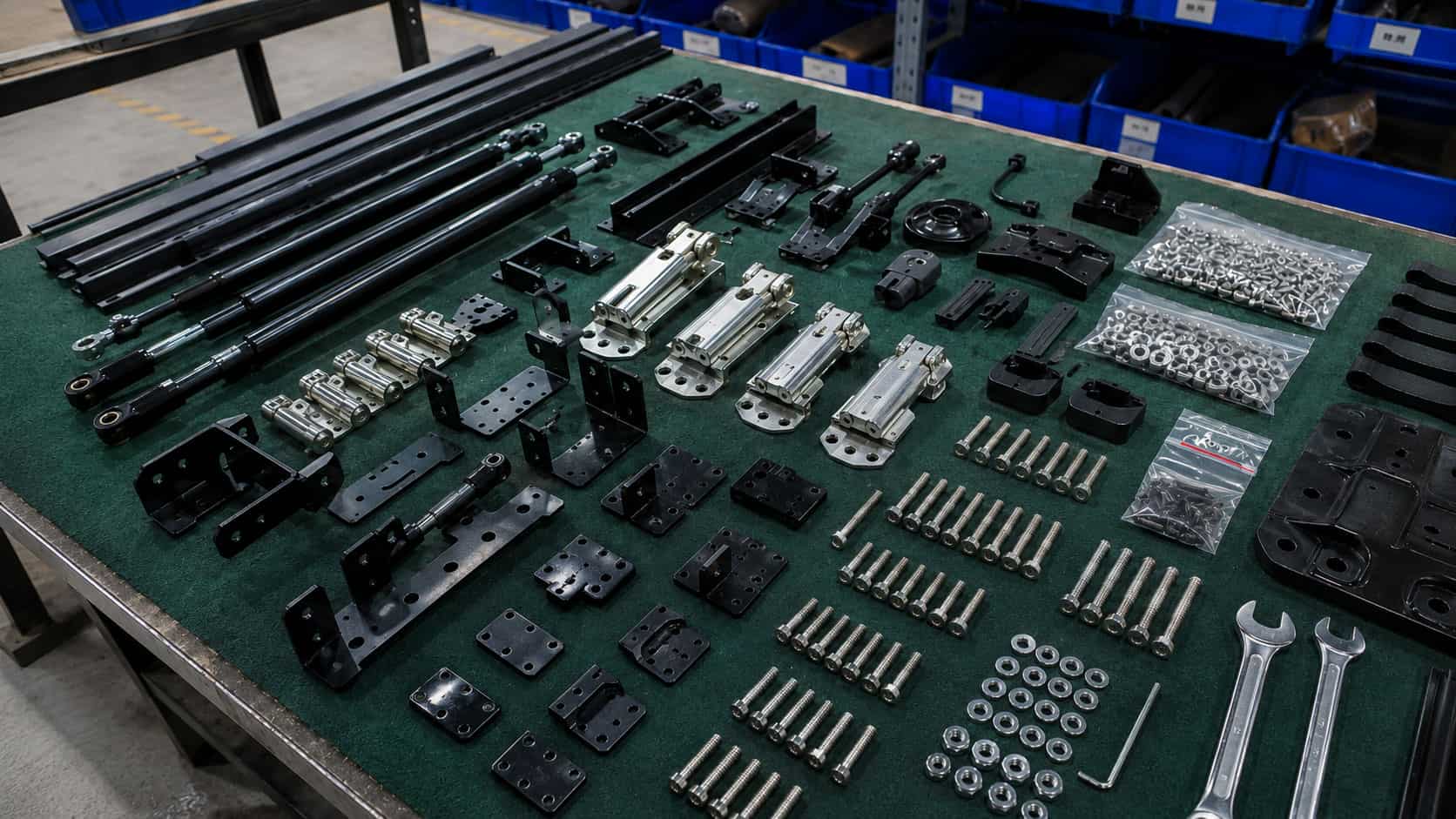
| Included contents | enumerate ladder, mattress, shoe bags, lighting, tools, hardware, covers, manuals and quantities so receiving teams can verify completeness. | Request packing checklist for included contents. Red flag: claims copied from an older model. |
| Optional items | separate accessories, alternative fabrics, colors, branding, packaging and upgrade components from the standard quoted configuration. | Request option matrix separated from standard configuration. Red flag: approval history stored outside the sheet. |
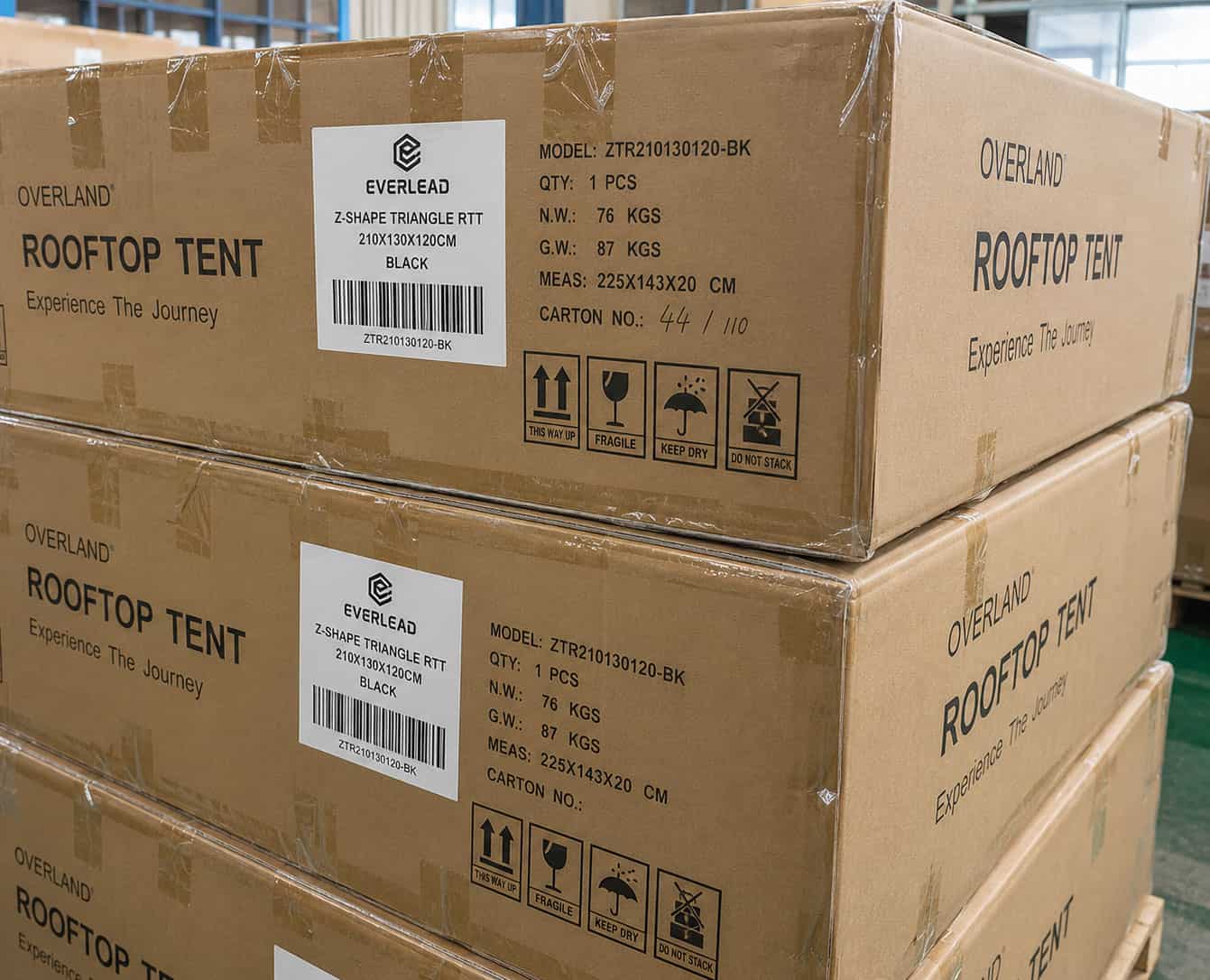
| Packing fields | capture inner protection, master carton, pallet method, stack orientation, handling symbols, label locations and barcode requirements. | Request carton drawing, label layout and handling orientation. Red flag: marketing name used as the only identifier. |
| Commercial fields | add sample status, minimum order basis, price reference, Incoterm, lead-time assumptions and quotation validity outside technical claims. | Request quotation reference for commercial assumptions. Red flag: open and packed dimensions mixed together. |
| Support fields | provide replaceable part numbers, maintenance guidance, warranty reference, claim evidence and responsible contact for the approved version. | Request replaceable-parts and maintenance reference. Red flag: units omitted from measurement cells. |
| Approval fields | record buyer reviewer, supplier reviewer, sample reference, artwork approval, deviation notes and signatures or electronic confirmation dates. | Request buyer and supplier approval record. Red flag: optional accessories shown as standard contents. |
Required Fields, Units and Approval Status
Step 1: Identity fields
include commercial name, internal model code, supplier code, revision, issue date, configuration status and approved market name. Record the current assumption, responsible owner and the event that turns it into an approved decision.
Decision output: One commercial name, internal code, supplier code and revision.
Step 2: Packed dimensions
record closed length, width, height, net weight, gross weight, carton dimensions and measurement tolerances with units. Make the result usable by the next team instead of leaving it in a sales conversation.
Decision output: Closed and packed measures with consistent units and tolerances.
Step 3: Open dimensions
state deployed footprint, sleeping area, internal height, ladder range and clearance zones needed for doors, hatches or awnings. If the answer changes stock, safety, cost or customer communication, require written approval.
Decision output: Open footprint, sleeping area, internal height and clearance notes.
Step 4: Material fields
identify shell, base, fabric, rainfly, mesh, mattress, frame, hinges, fasteners and finish using controlled descriptions. Link the decision to the exact model, sample or file revision so a later team can reproduce it.
Decision output: Controlled material descriptions tied to component locations.
Step 5: Capacity fields
describe intended occupants, sleeping layout and relevant use boundaries without converting unverified assumptions into performance claims. Define what evidence closes the item and when it must be reviewed again.
Decision output: Capacity language that avoids unsupported performance claims.
Step 6: Mounting fields
list interface type, supplied brackets, compatible bar ranges, fastener specification, installation references and vehicle-side checks. Test the process with real staff before it becomes a public or contractual promise.
Decision output: Mounting interface, supplied hardware and vehicle-side checks.
Evidence and Version Control for Each Data Group
For purchasing, product data, logistics, sales, installation, compliance and aftersales teams., evidence should survive staff changes, shipment arrival and customer claims. Store it by model and revision, not only by supplier name. Commercial estimates remain conditional until the approved quotation, sample and final packing records agree.
Included contents
enumerate ladder, mattress, shoe bags, lighting, tools, hardware, covers, manuals and quantities so receiving teams can verify completeness.
Evidence to request: packing checklist for included contents. If the file, sample, photograph or responsible owner cannot be named, keep the point marked as an assumption.
Optional items
separate accessories, alternative fabrics, colors, branding, packaging and upgrade components from the standard quoted configuration.
Evidence to request: option matrix separated from standard configuration. If the file, sample, photograph or responsible owner cannot be named, keep the point marked as an assumption.
Packing fields
capture inner protection, master carton, pallet method, stack orientation, handling symbols, label locations and barcode requirements.
Evidence to request: carton drawing, label layout and handling orientation. If the file, sample, photograph or responsible owner cannot be named, keep the point marked as an assumption.
Commercial fields
add sample status, minimum order basis, price reference, Incoterm, lead-time assumptions and quotation validity outside technical claims.
Evidence to request: quotation reference for commercial assumptions. If the file, sample, photograph or responsible owner cannot be named, keep the point marked as an assumption.
Support fields
provide replaceable part numbers, maintenance guidance, warranty reference, claim evidence and responsible contact for the approved version.
Evidence to request: replaceable-parts and maintenance reference. If the file, sample, photograph or responsible owner cannot be named, keep the point marked as an assumption.
Approval fields
record buyer reviewer, supplier reviewer, sample reference, artwork approval, deviation notes and signatures or electronic confirmation dates.
Evidence to request: buyer and supplier approval record. If the file, sample, photograph or responsible owner cannot be named, keep the point marked as an assumption.

Worked Data-Sheet Example
Worked example based on the current internal specification brief: the Z-shape triangle hard-shell configuration below is shown only to demonstrate field structure. The exact model code, coating-scope interpretation, accessories, weights and final packing data must be confirmed on the approved specification and quotation before publication or purchase.
| Field | Example value | Status / control |
|---|---|---|
| Open size | 210 × 130 × 120 cm | One documented size option; confirm selected configuration. |
| Package size | 225 × 143 × 20 cm | Use only after final packing validation. |
| Body fabric | 280 g poly-cotton, PU4000 mm wording in current brief | Confirm exactly which fabric layer the coating claim covers. |
| Flysheet | 420D Oxford, PU3000 mm wording in current brief | Confirm approved material statement and test basis. |
| Revision | To be assigned | No sheet is released without revision, date and approvers. |
A reusable spreadsheet should keep one field per column, one unit per measurement field, a source-document column, status values such as draft/verified/approved, and a revision history. Do not place several dimensions, options and assumptions into one free-text cell if downstream systems need to reuse them.
Product Data Errors to Prevent
Red flags are useful only when they trigger action. Assign every risk to a buyer or supplier owner, define the evidence required to close it and review unresolved items before sample approval, deposit, production release and shipment.
- To prevent marketing name used as the only identifier, define a responsible owner, the control action and the closure record required before approval.
- To prevent open and packed dimensions mixed together, define a responsible owner, the control action and the closure record required before approval.
- To prevent units omitted from measurement cells, define a responsible owner, the control action and the closure record required before approval.
- To prevent optional accessories shown as standard contents, define a responsible owner, the control action and the closure record required before approval.
- To prevent mounting interface lacking bar-range detail, define a responsible owner, the control action and the closure record required before approval.
- To prevent carton revision not linked to product revision, define a responsible owner, the control action and the closure record required before approval.
- To prevent claims copied from an older model, define a responsible owner, the control action and the closure record required before approval.
- To prevent approval history stored outside the sheet, define a responsible owner, the control action and the closure record required before approval.
Final Data-Sheet Release Checklist
Use this final list as an approval record. A checked item means the exact model, unit, condition, source and revision are documented—not merely discussed.
- Identity fields: include commercial name, internal model code, supplier code, revision, issue date, configuration status and approved market name.
- Packed dimensions: record closed length, width, height, net weight, gross weight, carton dimensions and measurement tolerances with units.
- Open dimensions: state deployed footprint, sleeping area, internal height, ladder range and clearance zones needed for doors, hatches or awnings.
- Material fields: identify shell, base, fabric, rainfly, mesh, mattress, frame, hinges, fasteners and finish using controlled descriptions.
- Capacity fields: describe intended occupants, sleeping layout and relevant use boundaries without converting unverified assumptions into performance claims.
- Mounting fields: list interface type, supplied brackets, compatible bar ranges, fastener specification, installation references and vehicle-side checks.
- Included contents: enumerate ladder, mattress, shoe bags, lighting, tools, hardware, covers, manuals and quantities so receiving teams can verify completeness.
- Optional items: separate accessories, alternative fabrics, colors, branding, packaging and upgrade components from the standard quoted configuration.
- Packing fields: capture inner protection, master carton, pallet method, stack orientation, handling symbols, label locations and barcode requirements.
- Commercial fields: add sample status, minimum order basis, price reference, Incoterm, lead-time assumptions and quotation validity outside technical claims.
- Support fields: provide replaceable part numbers, maintenance guidance, warranty reference, claim evidence and responsible contact for the approved version.
- Approval fields: record buyer reviewer, supplier reviewer, sample reference, artwork approval, deviation notes and signatures or electronic confirmation dates.
Sources and Methodology
For the intent “Define the controlled fields needed to buy, list, install, ship and support one rooftop tent configuration.”, this guide combines the SUVTent rooftop tent project knowledge base, current internal product briefs and the sources below. Advice is identified as a decision method; numerical examples are labelled illustrative or tied to the stated specification brief. Certifications, MOQ, lead time, warranty, loading quantity and commercial terms are not treated as confirmed unless the selected model and approved project documents support them.
- GS1 Package and Product Measurement Standard: https://www.gs1.org/standards/gs1-package-and-product-measurement-standard/current-standard
- GS1 Global Trade Item Number: https://www.gs1.org/standards/id-keys/gtin
About the supplier: EVERLEAD is the product brand used by Guangdong Jituo Outdoor Products Co., Ltd. For purchasing, product data, logistics, sales, installation, compliance and aftersales teams., the relevant B2B discussions may involve rooftop tents, camping shelters and related outdoor products. Wholesale, private-label, OEM and ODM scope is confirmed by selected model and approved project requirements.
Buyer FAQ
What is the difference between product and carton dimensions?
Product dimensions describe the tent in defined closed or open states. Carton dimensions describe the final packed trade item and must include the complete packing configuration.
Which units should a rooftop tent data sheet use?
Use a consistent measurement system for each data exchange and label every value. If conversion is needed, retain the approved source value and document the conversion rule.
When should the data sheet revision change?
Review it whenever materials, dimensions, weight, included contents, mounting, labels, packing or other controlled data changes.
Should MOQ and lead time be technical fields?
Keep them in a commercial section linked to the quotation and assumptions, not mixed with fixed technical facts.
Can EVERLEAD provide model-specific data?
Buyers can request current specifications and packing information for selected models; final values must match approved project documents.