B2B Procurement Guide
Questions to Ask Before Buying Wholesale Rooftop Tents
A supplier qualification checklist for wholesale rooftop tent buyers covering specs, samples, MOQ basis, price scope, QC, packaging, shipping and support.
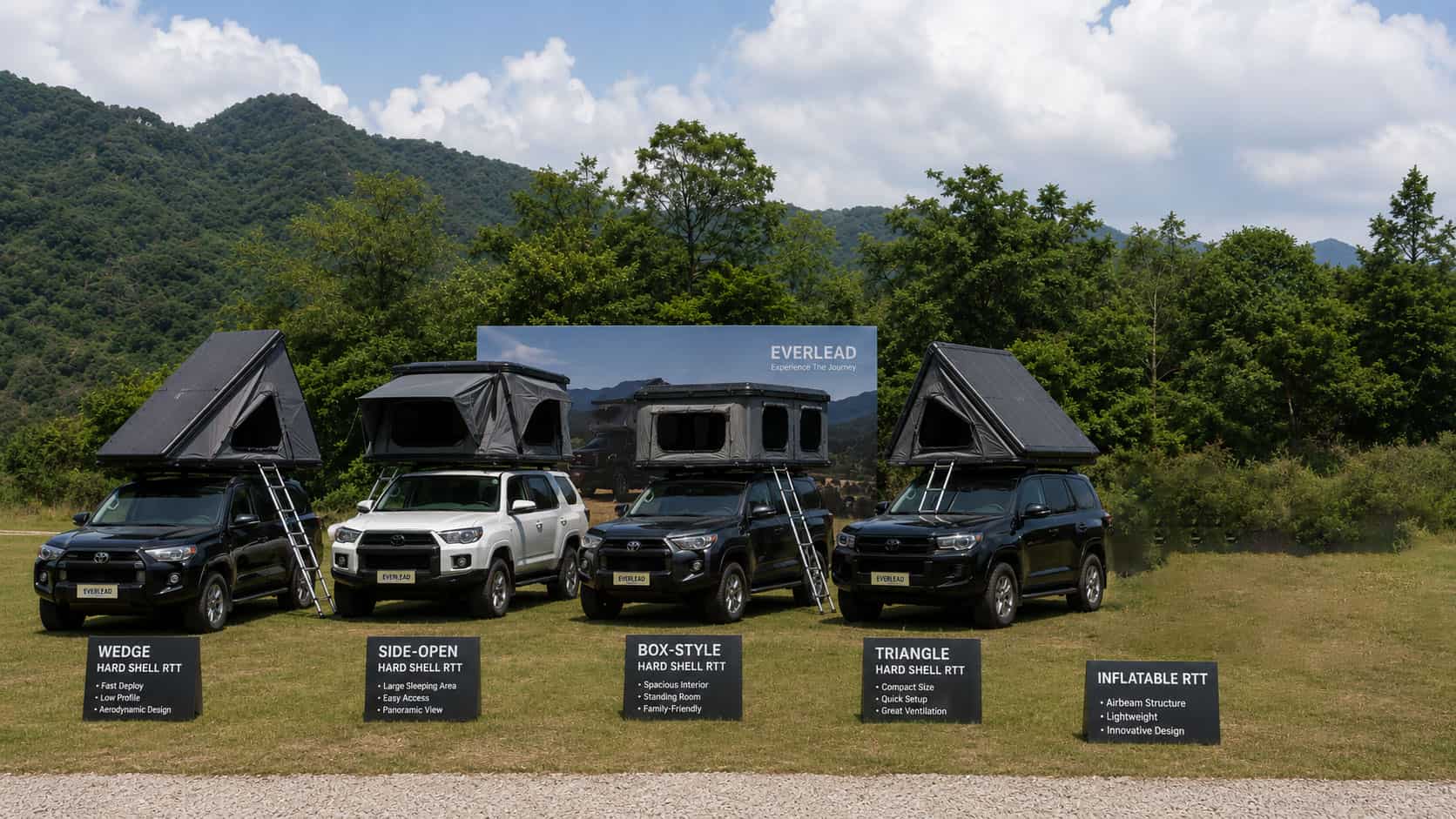
Direct answer: Before buying wholesale rooftop tents, ask questions that make every quote comparable: which exact configuration is offered, which vehicle and channel assumptions apply, what the sample represents, how minimum quantities change with model or branding, what the price includes, and which production, inspection, packaging, shipping and aftersales records will be provided. Record the answer, the evidence requested, the owner and the red flag for each category. Do not accept a catalogue image, verbal lead time or broad “OEM available” statement as proof. The goal is not to ask the most questions; it is to reveal mismatched specifications and undefined responsibility before sample approval or deposit. A strong supplier can state what is confirmed, what remains conditional and which document will close each open point.
Search intent: Turn supplier conversations into a documented qualification and quotation comparison.
Who this is for: Wholesale buyers, distributors, purchasing teams, product managers and sourcing agents.
Use Questions as a Qualification System
Turn the first supplier conversation into a structured qualification exercise that exposes product fit, commercial assumptions, quality controls, shipment constraints and support responsibilities before price comparison. Use the table as a working record: mark each answer as assumption, verified or approved; name the source file; and stop a decision when its evidence does not match the exact configuration under review.
| Decision area | What must be defined | Evidence and red-flag test |
|---|---|---|
| Market question | which vehicle groups, trip styles, climates, buyer budgets and sales channels is each proposed model designed to serve? | Request production milestone and approval schedule. Red flag: quotation compared without matching configurations. |
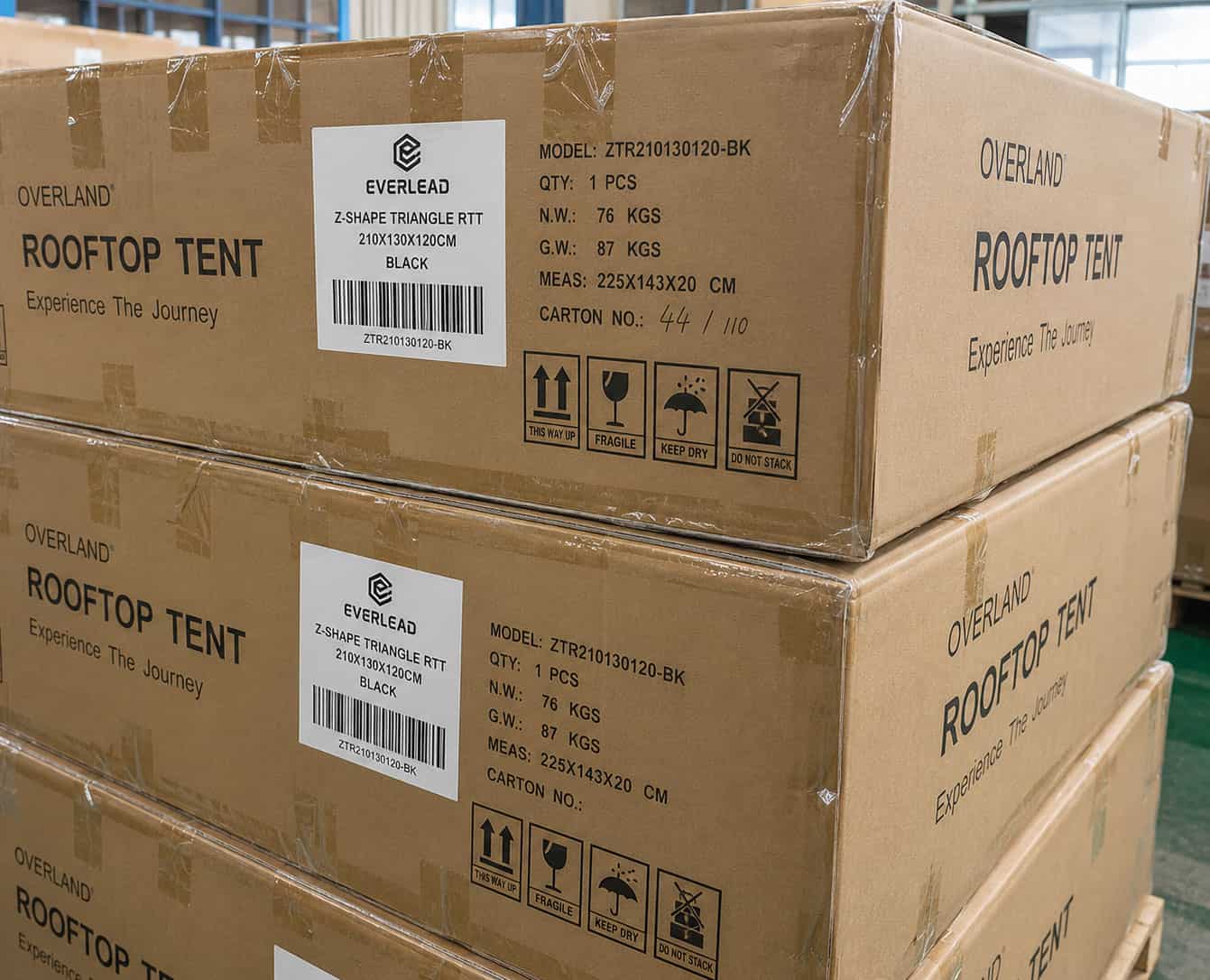
| Specification question | which dimensions, weights, materials, mechanisms, mattress details, included parts and optional accessories belong to the quoted configuration? | Request inspection checklist and records. Red flag: roof compatibility treated as universal. |
| Fitment question | what rack types, crossbar spacing, dynamic limits, static limits, mounting interfaces and installation exclusions must dealers confirm? | Request final packing specification. Red flag: sample comments never converted to revisions. |
| Sample question | what does the sample include, which production processes match bulk goods and how will comments become controlled revision records? | Request forwarder-ready carton and loading inputs. Red flag: minimum quantity discussed without packaging variants. |
| Quantity question | how do minimums change by model, color, logo, packaging, mixed loading and repeat order, and what drives those thresholds? | Request parts and claim workflow. Red flag: lead time counted before approvals. |
| Price question | which Incoterm, packaging, accessories, labels, inspections, documentation and validity period are included in the quotation? | Request approved change request and version log. Red flag: inspection scope assumed rather than documented. |
| Production question | what are the approval milestones, material lead times, assembly window, inspection points and conditions that can move the schedule? | Request production milestone and approval schedule. Red flag: carton data missing from freight planning. |
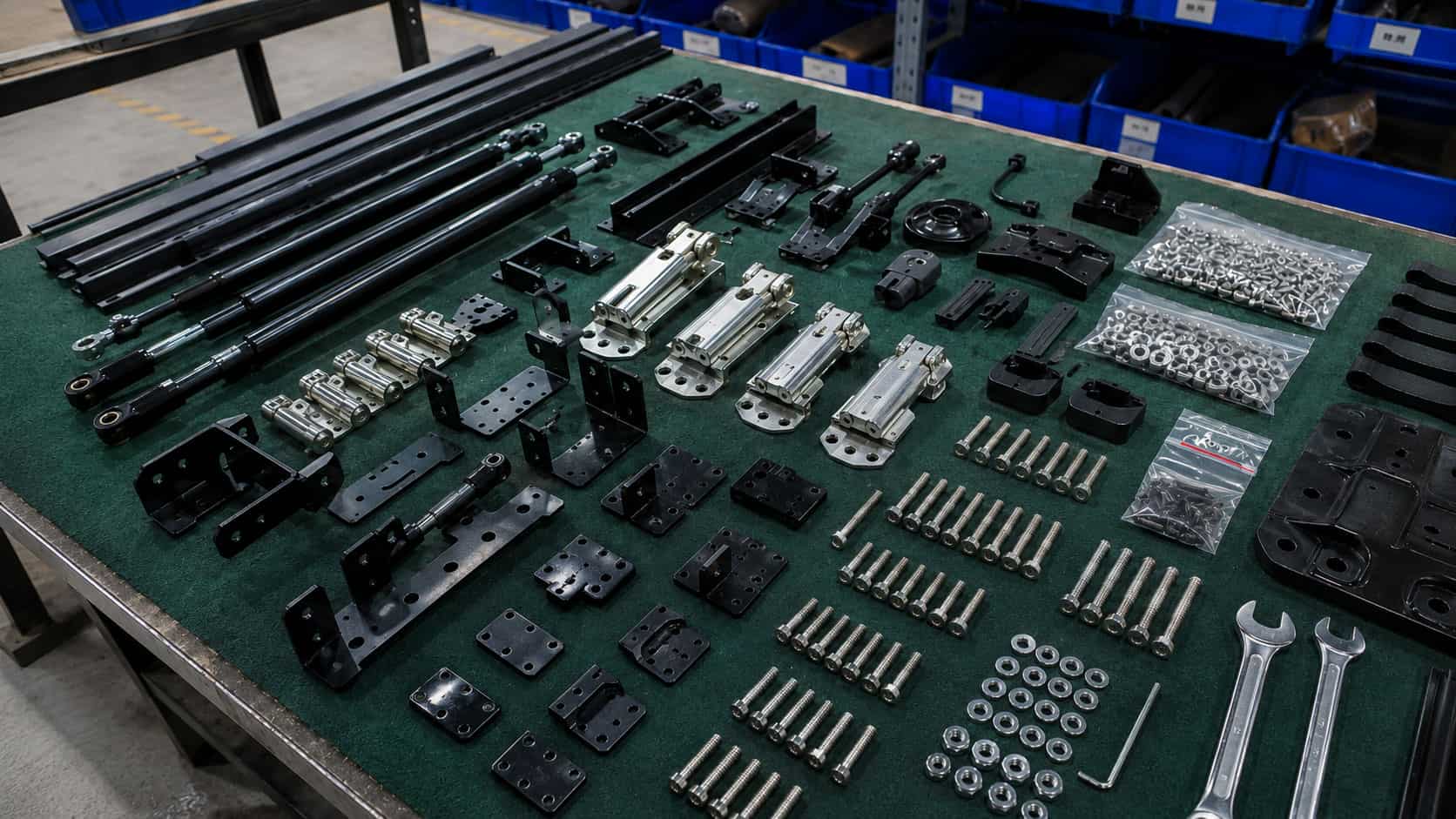
| Quality question | which incoming, in-process, functional, appearance, packing and pre-shipment checks are recorded for the chosen product family? | Request inspection checklist and records. Red flag: support promise lacking parts references. |
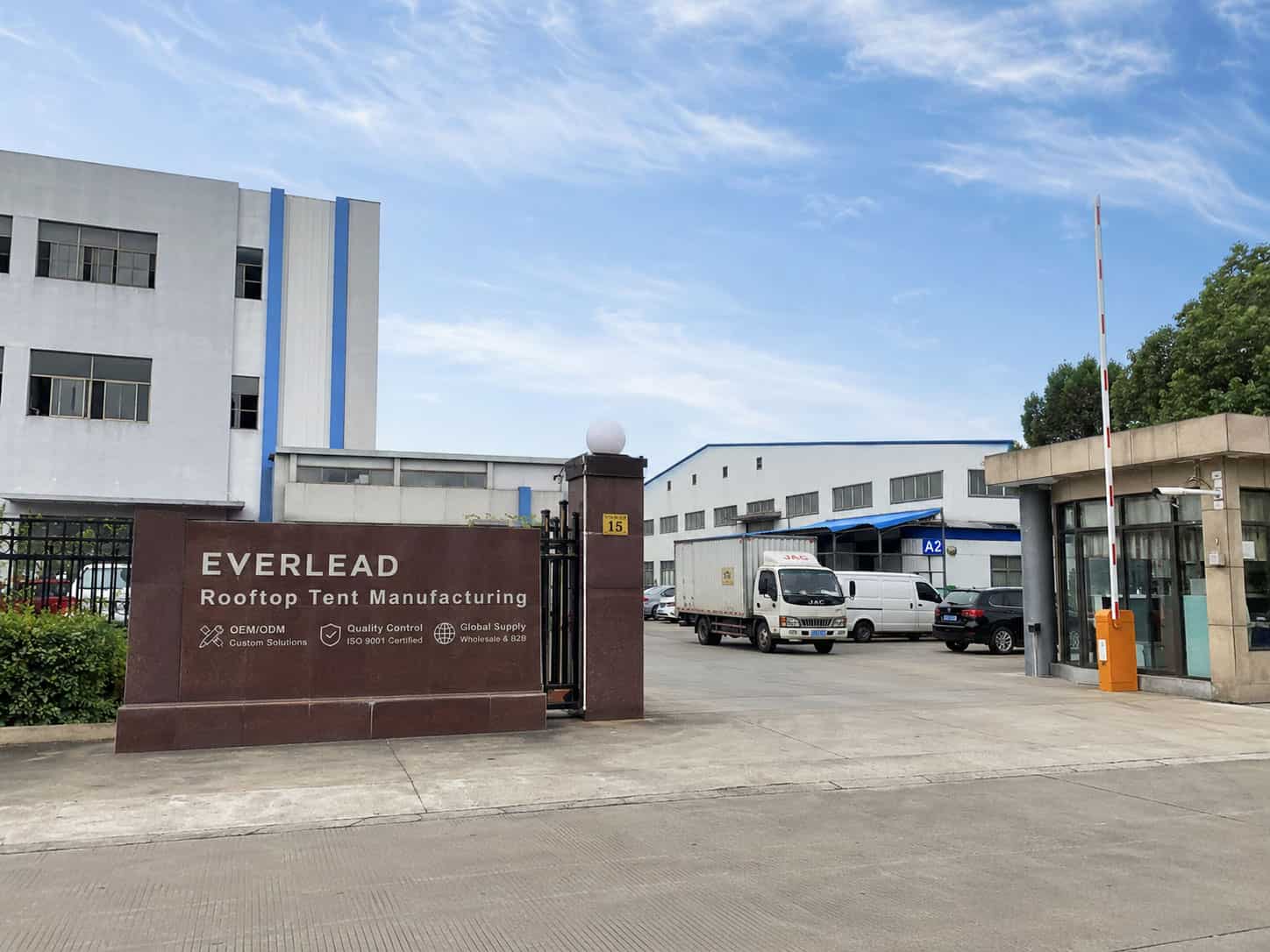
| Packaging question | what are the net weight, gross weight, carton dimensions, protection method, pallet option and handling instructions for every SKU? | Request final packing specification. Red flag: quotation compared without matching configurations. |
| Shipping question | how are loading quantities calculated, who prepares export documents and which oversized-cargo constraints need forwarder confirmation? | Request forwarder-ready carton and loading inputs. Red flag: roof compatibility treated as universal. |
| Support question | which replacement parts, manuals, troubleshooting steps, evidence rules and response contacts are available after delivery? | Request parts and claim workflow. Red flag: sample comments never converted to revisions. |
| Change question | how are logo, color, artwork, material or structural requests approved, versioned, priced and prevented from affecting unapproved components? | Request approved change request and version log. Red flag: minimum quantity discussed without packaging variants. |
Twelve Questions That Make Quotes Comparable
Step 1: Market question
which vehicle groups, trip styles, climates, buyer budgets and sales channels is each proposed model designed to serve? Record the current assumption, responsible owner and the event that turns it into an approved decision.
Decision output: A written description of the intended market and proposed model fit.
Step 2: Specification question
which dimensions, weights, materials, mechanisms, mattress details, included parts and optional accessories belong to the quoted configuration? Make the result usable by the next team instead of leaving it in a sales conversation.
Decision output: A configuration-specific data sheet with units and revision.
Step 3: Fitment question
what rack types, crossbar spacing, dynamic limits, static limits, mounting interfaces and installation exclusions must dealers confirm? If the answer changes stock, safety, cost or customer communication, require written approval.
Decision output: Vehicle and rack checks plus stated installation boundaries.
Step 4: Sample question
what does the sample include, which production processes match bulk goods and how will comments become controlled revision records? Link the decision to the exact model, sample or file revision so a later team can reproduce it.
Decision output: A sample scope and method for converting comments into revisions.
Step 5: Quantity question
how do minimums change by model, color, logo, packaging, mixed loading and repeat order, and what drives those thresholds? Define what evidence closes the item and when it must be reviewed again.
Decision output: A transparent explanation of quantity thresholds by configuration.
Step 6: Price question
which Incoterm, packaging, accessories, labels, inspections, documentation and validity period are included in the quotation? Test the process with real staff before it becomes a public or contractual promise.
Decision output: A quotation scope with Incoterm, validity and exclusions.
Ideal Answer, Evidence and Red-Flag Test
For wholesale buyers, distributors, purchasing teams, product managers and sourcing agents., evidence should survive staff changes, shipment arrival and customer claims. Store it by model and revision, not only by supplier name. Commercial estimates remain conditional until the approved quotation, sample and final packing records agree.
Production question
what are the approval milestones, material lead times, assembly window, inspection points and conditions that can move the schedule?
Evidence to request: production milestone and approval schedule. If the file, sample, photograph or responsible owner cannot be named, keep the point marked as an assumption.
Quality question
which incoming, in-process, functional, appearance, packing and pre-shipment checks are recorded for the chosen product family?
Evidence to request: inspection checklist and records. If the file, sample, photograph or responsible owner cannot be named, keep the point marked as an assumption.
Packaging question
what are the net weight, gross weight, carton dimensions, protection method, pallet option and handling instructions for every SKU?
Evidence to request: final packing specification. If the file, sample, photograph or responsible owner cannot be named, keep the point marked as an assumption.
Shipping question
how are loading quantities calculated, who prepares export documents and which oversized-cargo constraints need forwarder confirmation?
Evidence to request: forwarder-ready carton and loading inputs. If the file, sample, photograph or responsible owner cannot be named, keep the point marked as an assumption.
Support question
which replacement parts, manuals, troubleshooting steps, evidence rules and response contacts are available after delivery?
Evidence to request: parts and claim workflow. If the file, sample, photograph or responsible owner cannot be named, keep the point marked as an assumption.
Change question
how are logo, color, artwork, material or structural requests approved, versioned, priced and prevented from affecting unapproved components?
Evidence to request: approved change request and version log. If the file, sample, photograph or responsible owner cannot be named, keep the point marked as an assumption.
Illustrative Supplier Scorecard
Illustrative scoring method: assign weights before contacting suppliers: configuration accuracy 20%, sample and change control 15%, quality evidence 20%, packaging and logistics 15%, commercial clarity 15%, and aftersales readiness 15%. Score only the evidence received, not the confidence of the sales language. A supplier that says “yes” to every request but cannot produce a current file should not receive a high score.
| Question | Ideal answer | Evidence to request | Red flag |
|---|---|---|---|
| Which configuration is quoted? | Named model, revision, included contents and options. | Current data sheet and quotation line. | One price for several visibly different configurations. |
| When does lead time begin? | After named approvals and commercial milestone. | Project schedule with dependencies. | A fixed date before artwork and sample approval. |
| How are changes controlled? | Written request, feasibility, cost, revision and approval. | Version log or sample change record. | Changes confirmed only in chat. |
Normalize the supplier interview before scoring
Run every supplier interview from the same question register. Give each question an identifier such as SPEC-01, SAMPLE-02 or PACK-04, then capture the supplier’s answer without rewriting it into a more favorable statement. In separate columns record the promised evidence, evidence received, file date, configuration reference, reviewer and status. This creates a comparable transcript and prevents an experienced salesperson from receiving extra credit simply because the conversation sounded smoother.
Use four answer states: confirmed by current evidence, conditional on a named approval, unresolved, or not applicable. “Can do,” “normally,” “similar to the photo,” and “will confirm later” are conditional or unresolved—not confirmations. If two suppliers interpret a question differently, issue a written clarification to both and keep the response with the quotation package. The resulting gap register is often more valuable than the headline score because it shows where a deposit would convert uncertainty into buyer risk.
Before commercial approval, hold a cross-functional review. Purchasing checks scope and terms; product staff check configuration; quality staff check inspection evidence; logistics checks carton and loading inputs; aftersales checks parts and claim ownership. A supplier passes only when the evidence set is usable by these functions, not when one buyer is comfortable with the relationship.
Answers That Require Follow-Up
Red flags are useful only when they trigger action. Assign every risk to a buyer or supplier owner, define the evidence required to close it and review unresolved items before sample approval, deposit, production release and shipment.
- To prevent quotation compared without matching configurations, define a responsible owner, the control action and the closure record required before approval.
- To prevent roof compatibility treated as universal, define a responsible owner, the control action and the closure record required before approval.
- To prevent sample comments never converted to revisions, define a responsible owner, the control action and the closure record required before approval.
- To prevent minimum quantity discussed without packaging variants, define a responsible owner, the control action and the closure record required before approval.
- To prevent lead time counted before approvals, define a responsible owner, the control action and the closure record required before approval.
- To prevent inspection scope assumed rather than documented, define a responsible owner, the control action and the closure record required before approval.
- To prevent carton data missing from freight planning, define a responsible owner, the control action and the closure record required before approval.
- To prevent support promise lacking parts references, define a responsible owner, the control action and the closure record required before approval.
Final Pre-Order Question Checklist
Use this final list as an approval record. A checked item means the exact model, unit, condition, source and revision are documented—not merely discussed.
- Market question: which vehicle groups, trip styles, climates, buyer budgets and sales channels is each proposed model designed to serve?
- Specification question: which dimensions, weights, materials, mechanisms, mattress details, included parts and optional accessories belong to the quoted configuration?
- Fitment question: what rack types, crossbar spacing, dynamic limits, static limits, mounting interfaces and installation exclusions must dealers confirm?
- Sample question: what does the sample include, which production processes match bulk goods and how will comments become controlled revision records?
- Quantity question: how do minimums change by model, color, logo, packaging, mixed loading and repeat order, and what drives those thresholds?
- Price question: which Incoterm, packaging, accessories, labels, inspections, documentation and validity period are included in the quotation?
- Production question: what are the approval milestones, material lead times, assembly window, inspection points and conditions that can move the schedule?
- Quality question: which incoming, in-process, functional, appearance, packing and pre-shipment checks are recorded for the chosen product family?
- Packaging question: what are the net weight, gross weight, carton dimensions, protection method, pallet option and handling instructions for every SKU?
- Shipping question: how are loading quantities calculated, who prepares export documents and which oversized-cargo constraints need forwarder confirmation?
- Support question: which replacement parts, manuals, troubleshooting steps, evidence rules and response contacts are available after delivery?
- Change question: how are logo, color, artwork, material or structural requests approved, versioned, priced and prevented from affecting unapproved components?
Sources and Methodology
For the intent “Turn supplier conversations into a documented qualification and quotation comparison.”, this guide combines the SUVTent rooftop tent project knowledge base, current internal product briefs and the sources below. Advice is identified as a decision method; numerical examples are labelled illustrative or tied to the stated specification brief. Certifications, MOQ, lead time, warranty, loading quantity and commercial terms are not treated as confirmed unless the selected model and approved project documents support them.
- Internal method: Weights and score examples are illustrative; buyers should adapt them to their risk and governance requirements.
About the supplier: EVERLEAD is the product brand used by Guangdong Jituo Outdoor Products Co., Ltd. For wholesale buyers, distributors, purchasing teams, product managers and sourcing agents., the relevant B2B discussions may involve rooftop tents, camping shelters and related outdoor products. Wholesale, private-label, OEM and ODM scope is confirmed by selected model and approved project requirements.
Buyer FAQ
What is the first question to ask a rooftop tent supplier?
Ask which exact configuration is being proposed for your market and request the current model-specific data sheet.
How should wholesale quotes be compared?
Normalize configuration, included accessories, packing, Incoterm, inspection scope, branding and validity before comparing price.
Should MOQ be treated as one fixed number?
No. Ask what drives the threshold by model, color, branding, packaging, mixed loading and repeat order. Final terms require an approved quotation.
What makes a sample approval useful?
Comments must become controlled revisions linked to the bulk-order configuration, not remain informal observations.
Can the checklist replace an audit?
No. It organizes qualification and exposes evidence gaps; deeper verification should match the order risk and project scope.