Comparison Article for B2B buyers
Canvas vs Polyester Rooftop Tent Fabric
Explore canvas vs polyester rooftop tent fabric for Distributors / Product Managers. Get product options, sourcing notes, OEM/ODM support, and request a ca
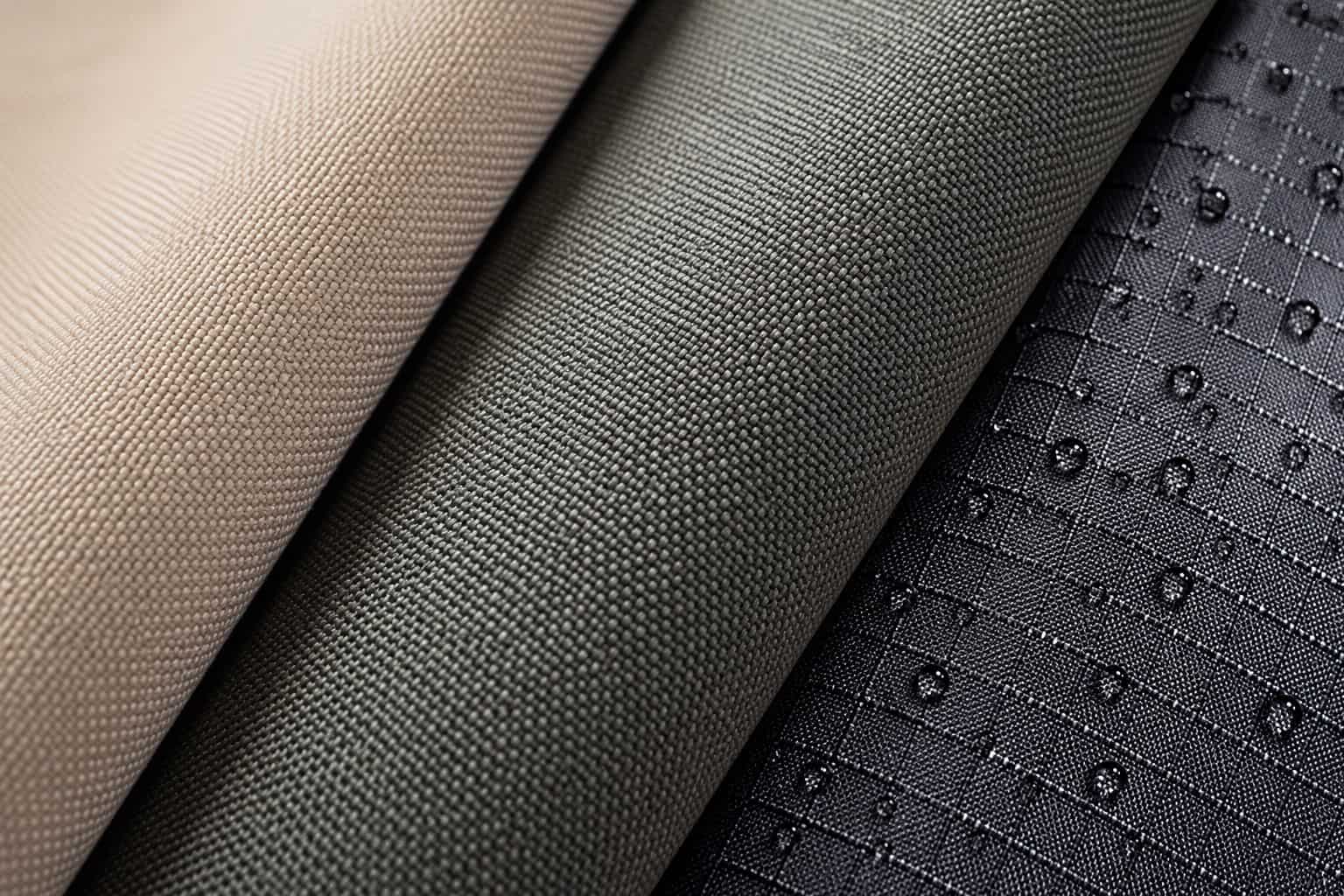
Direct answer: Canvas can support a substantial hand feel, traditional expedition positioning and a comfort-led interior, while polyester can support lower moisture absorption, faster handling after rain and a clean technical-product story. However, canvas is a broad construction term and polyester describes a fiber, not the finished performance of a rooftop-tent wall. Buyers must verify fiber content, weave, mass, coating, finish, color, seam system and sample behavior. They should also assess wet packing, drying, fold bulk, noise, cleaning, UV exposure and lot consistency under stated conditions. Select the exact approved fabric system that fits climate, customer care habits, price tier and packing geometry; do not publish durability, waterproof or breathability claims based only on the material name.
How to Compare Canvas vs Polyester Rooftop Tent Fabric for a B2B Product Line
This guide helps Distributors / Product Managers turn a broad sourcing question into a practical product decision. Compare the target market, sales channel, product family, sample scope, packaging requirements and order plan before using price as the final filter.
SUVTent / EVERLEAD supports rooftop tent and outdoor product sourcing discussions for distributors, retailers and private label brands. A useful inquiry connects product interest with market requirements, estimated quantity and the details that must be checked before approval.
Range Position
Decide which option is the premium anchor, which broadens the assortment and whether both deserve a sample slot.
Operational Risk
Compare setup training, packaging, spare parts, troubleshooting and the questions dealers must answer after the sale.
Sample Evidence
Use side-by-side setup, packing, structure and accessory checks to turn product preference into a documented buying decision.
Practical Buyer Review Notes
Canvas vs Polyester Rooftop Tent Fabric should be reviewed through the buyer's channel, market, product role, sample needs, packaging expectations and order plan.
| Focus Area | Buyer Review Point |
|---|---|
| Buyer context | Clarify market, channel, product role and expected order path. |
| Product details | Review model structure, materials, packaging, sample questions and support needs. |
| Quote path | Send quantity range, destination, timeline and any branding requirements. |
Practical Review Points
- buyer role
- market fit
- sample plan
- quote details
- packaging needs
- product shortlist
- order timing
- support materials
Market Context and Buyer Language
market covers hydrostatic head ratings and 1,500–5,000mm user interpretation. Use this context to ask for the right product family, sample path, packaging information and quote detail.
Dealers should translate broad comparison language such as canvas polyester rooftop tent, rooftop tent comparison, buyer guide into questions that can be checked during sample review.
- Which product structure is easiest for the target customer to understand and use?
- What must sales staff demonstrate before recommending the product?
- Which replacement parts, instructions and troubleshooting steps will the channel need?
- How do packed size, carton protection and handling affect the order plan?


Wholesale, OEM and Sample Planning
Start with the lowest-risk decision that can be verified. Confirm the product direction, prepare a focused sample request, review structure and accessories, then define packaging, labels, manuals, spare parts and shipment assumptions before scaling.
For wholesale, compare available models and channel fit. For private label, add logo position, color direction and packaging artwork. For deeper OEM or ODM work, separate cosmetic changes from structural changes so the sample path and approval responsibility remain clear.
What to include in the first message
- Destination country and sales channel.
- Product family or use case being compared.
- Estimated sample and bulk quantity.
- Branding, packaging, manual and label requirements.
- Questions about fitment, accessories, spare parts or after-sales support.
Yarn, Weave and Finish Identification
Ask the material supplier to identify fiber composition, yarn form, yarn count or linear-density convention, weave construction, sett or density, finished mass, usable width, pretreatment, dye route, coating or laminate, water-repellent finish and master color reference using its controlled terminology. Canvas and polyester alone do not populate these fields. Link the roll label and incoming inspection to the approved specification. When a mill proposes a substitute yarn, dye lot or finish, require a deviation review before cutting because hand, shade, shrinkage, seam behavior and coating response may change together.
Cutting, Sewing and Needle-Heat Trial
Production suitability should be checked at the sewing line, not only on a swatch. Record lay stability, edge fray, marking method, needle system, needle size, thread, stitch density, feed balance, puckering, skipped stitches, heat or melt signs, seam allowance and reinforcement at corners. Polyester constructions can respond differently to needle heat and tension; canvas constructions can create bulk and feed challenges. These are possibilities to inspect, not universal outcomes. Approve the seam sample with the fabric code and machine settings so troubleshooting can trace a field seam back to a production reference.
Dimensional-Stability and Color-Shade Control
Define how the project checks relaxation, shrinkage or growth after the approved conditioning or care procedure. Measure marked distances in warp and weft directions and keep the test method, specimen and result with the fabric revision. For color, use a master standard, controlled light source, viewing method and lot decision. Do not merge dimensional and shade acceptance into a subjective visual comment. Rooftop-tent panels, zippers and rainfly interfaces depend on cut dimensions, while mismatched lots can create visible blocks across large walls.
Repair-Material and End-of-Roll Governance
Reserve approved repair fabric, thread, tape or patch materials by color and revision and decide how long they remain available after the production run. Identify whether a field patch, sewn repair or panel replacement is permitted by the supplier's instructions. At the factory, control short rolls, splice locations, flaws, shade bands and roll-end labeling so offcuts do not enter an untraceable repair kit. This lifecycle discipline separates a textile program from a simple canvas-versus-polyester marketing comparison and gives aftersales teams a credible parts reference.
Moisture-Regain and Conditioning Context
Textile mass and hand can change with atmospheric conditioning, especially when fibers differ in moisture regain. Ask the material laboratory or supplier to state the conditioning environment and method used for mass, dimension or physical tests. Do not compare specimens conditioned under different humidity and temperature histories as if the result came only from fiber type. Record arrival condition, conditioning duration, test room and specimen preparation in the approval file. For production, define how rolls are relaxed before spreading and how unusual warehouse humidity is handled before cutting.
Coating Adhesion and Fold-Crack Inspection
Inspect the coated or laminated face at repeated creases, stitched folds, window corners and packed pressure points. Use the approved magnification, lighting and bend or flex method if one exists. Record whitening, delamination, tack, blocking, powdering, microcracks or edge lift as observations tied to the specimen and condition; do not invent an adhesion rating. Polyester fiber and canvas construction do not determine coating performance by themselves. The resin system, pretreatment, cure, add-on, storage and fabric geometry all matter, so coating approval needs its own revision and supplier evidence.
Hydrostatic, Spray and Rain-Simulation Boundaries
Keep laboratory hydrostatic resistance, surface spray behavior and whole-tent rain simulation in separate records. Each answers a different question and uses different specimens, preparation and endpoints. A material report cannot validate a zipper, seam or window, and a short sample spray cannot establish long-duration field performance. Create a claim matrix that shows which statement is supported by which source and where limitations appear in dealer copy. If a number lacks unit, method, fabric code, date and condition, mark it unconfirmed rather than borrowing a value from a similar canvas or polyester.
Mildew, Odor and Storage-Incident Taxonomy
Build an incident taxonomy that separates soil, retained moisture, visible fungal growth, transfer stain, coating odor, cleaning residue and long-term storage odor. Collect photographs, storage duration, wet-close history, ventilation, cleaning agents, climate and affected layer. Do not diagnose material failure from odor alone or promise mildew immunity for a fiber class. Use the evidence to improve care instructions, packaging dryness, warehouse rotation and customer communication. Escalate potential health or material concerns to the responsible technical role and preserve the sample when investigation is required.
Decision Controls and Evidence
Select a canvas or polyester system by verified textile construction, care requirements and channel use. The commercial decision should be understandable to purchasing, sales, operations and aftersales teams, because each group sees a different part of the risk. A useful plan therefore connects the customer proposition to measurable product data, an approval path and a follow-up date.
Use the following control table as a working brief, not as generic reading. Replace each assumption with destination-market evidence, identify the file or sample that supports the answer and record who may approve a change. SUVTent / EVERLEAD can then respond to a defined sourcing case instead of guessing from a broad request.
| Decision control | What the buying team should define |
|---|---|
| Terminology | define whether canvas means cotton, blend or another construction and identify the exact polyester system. |
| Material code | connect fiber, weave, mass, coating, finish, color and supplier revision in one approved record. |
| Hand and drape | compare tactile feel, panel tension, light entry and interior perception on production-style samples. |
| Wet handling | document absorption, surface water, close-down steps, transport duration and required reopening or drying routine. |
| Fold geometry | inspect bulk at corners, zipper paths, hinge zones and storage pockets after repeated packing. |
| Acoustic behavior | observe wind and rain noise under stated setup conditions without converting a single trial into a rating. |
| Seam build | verify thread, stitch, reinforcement, tape or sealant and compatibility with the approved finish. |
| Care instructions | approve cleaning, stain treatment, mildew prevention, drying and long-term storage language. |
| Color and UV | use master swatches and relevant evidence; avoid making lifetime or fade guarantees. |
| Repair path | define patch material, sewing or bonded repair limits and replacement-panel availability. |
| Bulk control | confirm material identity and lot before cutting, with deviation approval for any substitution. |
| Channel explanation | give canvas and polyester distinct, evidence-based customer stories rather than best-versus-cheap labels. |
Working sequence before commercial approval
1. Terminology
define whether canvas means cotton, blend or another construction and identify the exact polyester system. Put the decision into a shared working record and name the person who can approve it. The record should show the current assumption, the evidence still required, the consequence of a wrong answer and the exact point at which the buyer will review it again. This prevents an early sales conversation from quietly becoming an uncontrolled production, inventory or customer-service commitment.
2. Material code
connect fiber, weave, mass, coating, finish, color and supplier revision in one approved record. Put the decision into a shared working record and name the person who can approve it. The record should show the current assumption, the evidence still required, the consequence of a wrong answer and the exact point at which the buyer will review it again. This prevents an early sales conversation from quietly becoming an uncontrolled production, inventory or customer-service commitment.
3. Hand and drape
compare tactile feel, panel tension, light entry and interior perception on production-style samples. Put the decision into a shared working record and name the person who can approve it. The record should show the current assumption, the evidence still required, the consequence of a wrong answer and the exact point at which the buyer will review it again. This prevents an early sales conversation from quietly becoming an uncontrolled production, inventory or customer-service commitment.
4. Wet handling
document absorption, surface water, close-down steps, transport duration and required reopening or drying routine. Put the decision into a shared working record and name the person who can approve it. The record should show the current assumption, the evidence still required, the consequence of a wrong answer and the exact point at which the buyer will review it again. This prevents an early sales conversation from quietly becoming an uncontrolled production, inventory or customer-service commitment.
5. Fold geometry
inspect bulk at corners, zipper paths, hinge zones and storage pockets after repeated packing. Put the decision into a shared working record and name the person who can approve it. The record should show the current assumption, the evidence still required, the consequence of a wrong answer and the exact point at which the buyer will review it again. This prevents an early sales conversation from quietly becoming an uncontrolled production, inventory or customer-service commitment.
6. Acoustic behavior
observe wind and rain noise under stated setup conditions without converting a single trial into a rating. Put the decision into a shared working record and name the person who can approve it. The record should show the current assumption, the evidence still required, the consequence of a wrong answer and the exact point at which the buyer will review it again. This prevents an early sales conversation from quietly becoming an uncontrolled production, inventory or customer-service commitment.
Evidence pack and operating handoff
7. Evidence for seam build
verify thread, stitch, reinforcement, tape or sealant and compatibility with the approved finish. Ask for a document, photograph, approved sample reference, measurement sheet or responsible contact that makes the answer reviewable. Purchasing and channel teams should be able to return to that evidence after staff changes, shipment arrival or a customer claim. If the evidence cannot be named, the point remains an assumption and should not be repeated as a confirmed product promise.
8. Evidence for care instructions
approve cleaning, stain treatment, mildew prevention, drying and long-term storage language. Ask for a document, photograph, approved sample reference, measurement sheet or responsible contact that makes the answer reviewable. Purchasing and channel teams should be able to return to that evidence after staff changes, shipment arrival or a customer claim. If the evidence cannot be named, the point remains an assumption and should not be repeated as a confirmed product promise.
9. Evidence for color and uv
use master swatches and relevant evidence; avoid making lifetime or fade guarantees. Ask for a document, photograph, approved sample reference, measurement sheet or responsible contact that makes the answer reviewable. Purchasing and channel teams should be able to return to that evidence after staff changes, shipment arrival or a customer claim. If the evidence cannot be named, the point remains an assumption and should not be repeated as a confirmed product promise.
10. Evidence for repair path
define patch material, sewing or bonded repair limits and replacement-panel availability. Ask for a document, photograph, approved sample reference, measurement sheet or responsible contact that makes the answer reviewable. Purchasing and channel teams should be able to return to that evidence after staff changes, shipment arrival or a customer claim. If the evidence cannot be named, the point remains an assumption and should not be repeated as a confirmed product promise.
11. Evidence for bulk control
confirm material identity and lot before cutting, with deviation approval for any substitution. Ask for a document, photograph, approved sample reference, measurement sheet or responsible contact that makes the answer reviewable. Purchasing and channel teams should be able to return to that evidence after staff changes, shipment arrival or a customer claim. If the evidence cannot be named, the point remains an assumption and should not be repeated as a confirmed product promise.
12. Evidence for channel explanation
give canvas and polyester distinct, evidence-based customer stories rather than best-versus-cheap labels. Ask for a document, photograph, approved sample reference, measurement sheet or responsible contact that makes the answer reviewable. Purchasing and channel teams should be able to return to that evidence after staff changes, shipment arrival or a customer claim. If the evidence cannot be named, the point remains an assumption and should not be repeated as a confirmed product promise.
Common failure points to control
A long checklist is valuable only when it changes a decision. Review the risks below during sample approval, quotation confirmation and pre-shipment preparation. Close each item with a named record rather than a verbal assurance.
- Control: Avoid canvas composition left undefined. Record the preventive check, owner and closure evidence before the related order milestone.
- Control: Avoid polyester treated as one uniform grade. Record the preventive check, owner and closure evidence before the related order milestone.
- Control: Avoid wet fabric closed without care guidance. Record the preventive check, owner and closure evidence before the related order milestone.
- Control: Avoid noise claim based on opinion. Record the preventive check, owner and closure evidence before the related order milestone.
- Control: Avoid color standard not approved. Record the preventive check, owner and closure evidence before the related order milestone.
- Control: Avoid repair material unavailable. Record the preventive check, owner and closure evidence before the related order milestone.
- Control: Avoid coating substitution unrecorded. Record the preventive check, owner and closure evidence before the related order milestone.
- Control: Avoid fabric choice marketed as universally superior. Record the preventive check, owner and closure evidence before the related order milestone.
Review rhythm after the first order
After launch or shipment, compare the original assumptions with enquiries, quotations, sell-through, installation feedback, receiving condition, support tickets and reorder timing. Separate product issues from packaging, training, fitment and communication issues. Update the data sheet, sales material, inspection focus and spare-parts plan when evidence changes. This review rhythm makes the next order more accurate and gives both buyer and supplier a clear record of what has been learned.
Worked Example
Illustrative wet-care drill: staff lightly wet designated panels on two approved samples under a recorded procedure, then follow each proposed close-down and reopening instruction. They note fold bulk, visible moisture locations, handling and time stamps without declaring a universal drying rate. The resulting dealer card explains the correct recovery routine for each approved fabric and identifies statements that still require a test report or material confirmation.
Red Flags and Common Mistakes
Stop approval when evidence does not match the exact model, revision, unit or stated condition. A verbal assurance does not close a red flag; request the named specification, sample record, drawing, test report, packing file or corrective-action record.
Final Actionable Checklist
- Terminology: define whether canvas means cotton, blend or another construction and identify the exact polyester system.
- Material code: connect fiber, weave, mass, coating, finish, color and supplier revision in one approved record.
- Hand and drape: compare tactile feel, panel tension, light entry and interior perception on production-style samples.
- Wet handling: document absorption, surface water, close-down steps, transport duration and required reopening or drying routine.
- Fold geometry: inspect bulk at corners, zipper paths, hinge zones and storage pockets after repeated packing.
- Acoustic behavior: observe wind and rain noise under stated setup conditions without converting a single trial into a rating.
- Seam build: verify thread, stitch, reinforcement, tape or sealant and compatibility with the approved finish.
- Care instructions: approve cleaning, stain treatment, mildew prevention, drying and long-term storage language.
- Color and UV: use master swatches and relevant evidence; avoid making lifetime or fade guarantees.
- Repair path: define patch material, sewing or bonded repair limits and replacement-panel availability.
- Bulk control: confirm material identity and lot before cutting, with deviation approval for any substitution.
- Channel explanation: give canvas and polyester distinct, evidence-based customer stories rather than best-versus-cheap labels.
Sources and Methodology
This guide uses the approved SUVTent project knowledge base and the primary project records listed below. Numerical and performance statements remain unconfirmed unless the exact model, unit, source version and applicable condition are shown. Illustrative examples are decision methods, not specifications or commercial promises.
- Approved textile composition and construction sheet
- Master color swatch and coating revision
- Production-style seam, fold and care trial
FAQ
Is canvas always cotton?
No. Request the exact fiber content and construction; canvas is not a complete material specification.
Is polyester waterproof by itself?
No. Water resistance depends on the fabric construction, coating, seams and complete tent design.
Which fabric is easier to maintain?
Compare approved care instructions, destination climate and realistic user behavior for the exact systems.
Can a buyer approve by swatch only?
No. Also review a production-style sample, seams, fold zones, care routine and color standard.