B2B Procurement Guide
How to Compare Factory Direct vs Trading Company Rooftop Tents
Compare factory-direct and trading-company rooftop tent sourcing by control, assortment, development, quality evidence and total management cost.
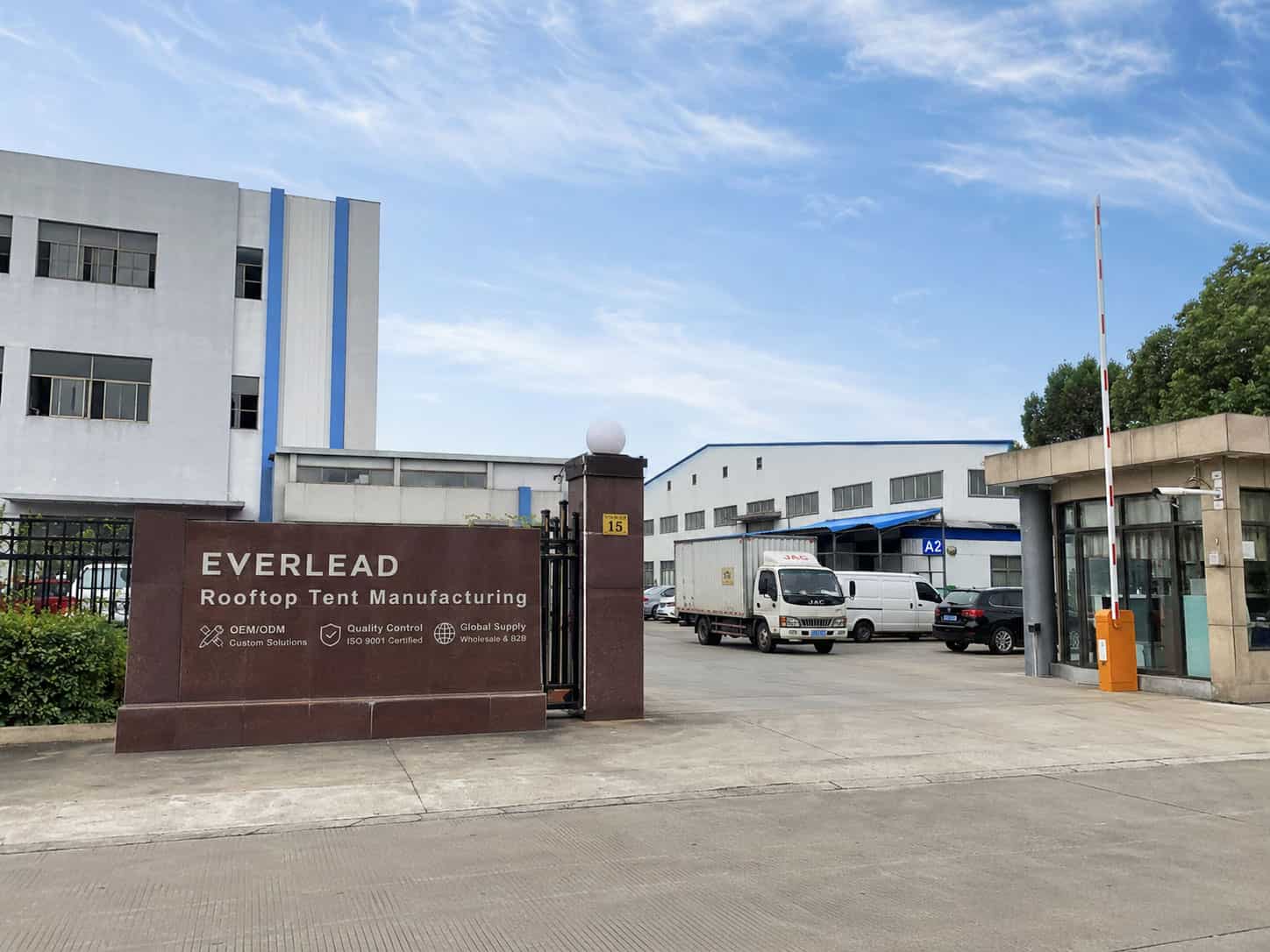
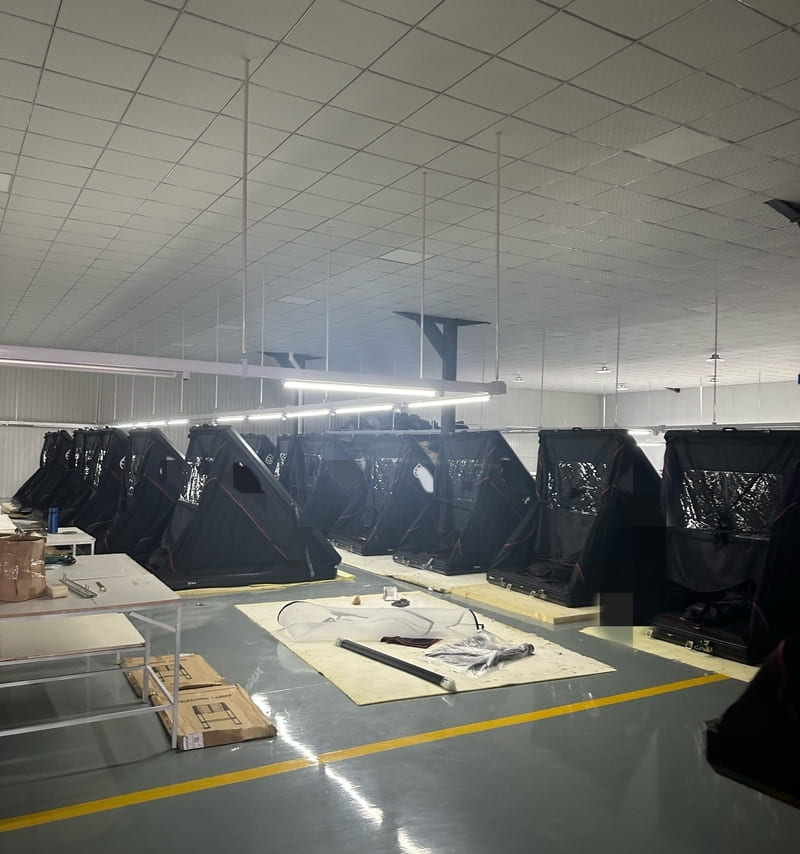
Direct answer: Factory direct is usually the better route when a buyer needs deeper control of one rooftop tent family, direct technical communication, repeatable change control and enough internal capacity to manage specification, quality and logistics. A trading company can be the better route when the buyer needs coordinated access to several factories or outdoor categories, consolidation and one commercial interface. Neither label proves capability. Compare the legal counterparty, actual manufacturing site, control of drawings and materials, inspection access, change workflow, problem ownership and disclosed coordination scope. The correct decision is the route with the lower total management cost and clearer accountability for the project—not automatically the lowest unit price or the shortest message chain.
Search intent: Choose the supply model that fits the buyer’s product scope and internal management capacity.
Who this is for: Importers, private-label brands, sourcing directors, quality managers and multi-category distributors.
Choose by Project Shape and Buyer Capability
Compare supply models through control, coordination, transparency, development depth and total management workload, recognizing that the best route depends on the buyer's assortment and operating capability. Use the table as a working record: mark each answer as assumption, verified or approved; name the source file; and stop a decision when its evidence does not match the exact configuration under review.
| Decision area | What must be defined | Evidence and red-flag test |
|---|---|---|
| Product ownership | identify who controls drawings, bill of materials, process instructions, tooling, approved substitutions and final change authorization. | Request mixed-SKU and consolidation responsibility map. Red flag: factory identity assumed from marketing language. |
| Communication path | map how commercial questions, technical clarifications, sample comments and production deviations move between buyer and manufacturing floor. | Request approved change-control example. Red flag: coordination fee hidden inside unit price. |
| Assortment breadth | determine whether the project needs deep specialization from one facility or coordinated access to several complementary outdoor categories. | Request defect and remedy ownership matrix. Red flag: buyer lacks resources for direct project control. |
| Quality visibility | compare access to inspection records, corrective actions, material certificates, line controls, packing checks and pre-shipment evidence. | Request controlled manuals, carton files and inspection criteria. Red flag: trader cannot verify structural change feasibility. |
| Development capability | separate cosmetic private label work from structural engineering, tooling, testing, prototype iteration and configuration management. | Request tooling and continuity records where applicable. Red flag: mixed orders delayed by one component source. |
| Commercial transparency | request a clear scope for product, packaging, consolidation, inspection, documentation, service and any coordination fee. | Request buyer-side resource and governance plan. Red flag: sample feedback lost across message chains. |
| Order coordination | evaluate mixed-SKU planning, cross-factory consolidation, minimum quantities, schedule synchronization and responsibility for delayed components. | Request mixed-SKU and consolidation responsibility map. Red flag: tooling custody undocumented. |
| Change control | test how each supplier records requested revisions, confirms feasibility, prices impact, updates samples and prevents old specifications from shipping. | Request approved change-control example. Red flag: corrective action ownership split between parties. |
| Problem ownership | ask who investigates defects, approves corrective action, communicates with subcontractors and funds agreed remedies when several parties are involved. | Request defect and remedy ownership matrix. Red flag: factory identity assumed from marketing language. |
| Documentation depth | review whether manuals, carton files, component lists, inspection criteria and export records come from controlled sources or forwarded messages. | Request controlled manuals, carton files and inspection criteria. Red flag: coordination fee hidden inside unit price. |
| Relationship resilience | consider staff turnover, factory capacity changes, subcontracting, tooling custody and the buyer's ability to retain product continuity. | Request tooling and continuity records where applicable. Red flag: buyer lacks resources for direct project control. |
| Management fit | calculate how much sourcing, engineering, inspection and logistics capacity the buyer must contribute under each operating model. | Request buyer-side resource and governance plan. Red flag: trader cannot verify structural change feasibility. |
Compare Both Supply Models Side by Side
Step 1: Product ownership
identify who controls drawings, bill of materials, process instructions, tooling, approved substitutions and final change authorization. Record the current assumption, responsible owner and the event that turns it into an approved decision.
Decision output: Evidence of who controls product files, materials and substitutions.
Step 2: Communication path
map how commercial questions, technical clarifications, sample comments and production deviations move between buyer and manufacturing floor. Make the result usable by the next team instead of leaving it in a sales conversation.
Decision output: A mapped communication route from buyer to production decision.
Step 3: Assortment breadth
determine whether the project needs deep specialization from one facility or coordinated access to several complementary outdoor categories. If the answer changes stock, safety, cost or customer communication, require written approval.
Decision output: A statement of whether breadth or category specialization matters more.
Step 4: Quality visibility
compare access to inspection records, corrective actions, material certificates, line controls, packing checks and pre-shipment evidence. Link the decision to the exact model, sample or file revision so a later team can reproduce it.
Decision output: Access to controlled inspection and corrective-action evidence.
Step 5: Development capability
separate cosmetic private label work from structural engineering, tooling, testing, prototype iteration and configuration management. Define what evidence closes the item and when it must be reviewed again.
Decision output: A development scope separating branding from structural engineering.
Step 6: Commercial transparency
request a clear scope for product, packaging, consolidation, inspection, documentation, service and any coordination fee. Test the process with real staff before it becomes a public or contractual promise.
Decision output: A commercial breakdown for product and coordination services.
Due Diligence Evidence for the Contracting Route
For importers, private-label brands, sourcing directors, quality managers and multi-category distributors., evidence should survive staff changes, shipment arrival and customer claims. Store it by model and revision, not only by supplier name. Commercial estimates remain conditional until the approved quotation, sample and final packing records agree.
Order coordination
evaluate mixed-SKU planning, cross-factory consolidation, minimum quantities, schedule synchronization and responsibility for delayed components.
Evidence to request: mixed-SKU and consolidation responsibility map. If the file, sample, photograph or responsible owner cannot be named, keep the point marked as an assumption.
Change control
test how each supplier records requested revisions, confirms feasibility, prices impact, updates samples and prevents old specifications from shipping.
Evidence to request: approved change-control example. If the file, sample, photograph or responsible owner cannot be named, keep the point marked as an assumption.
Problem ownership
ask who investigates defects, approves corrective action, communicates with subcontractors and funds agreed remedies when several parties are involved.
Evidence to request: defect and remedy ownership matrix. If the file, sample, photograph or responsible owner cannot be named, keep the point marked as an assumption.
Documentation depth
review whether manuals, carton files, component lists, inspection criteria and export records come from controlled sources or forwarded messages.
Evidence to request: controlled manuals, carton files and inspection criteria. If the file, sample, photograph or responsible owner cannot be named, keep the point marked as an assumption.
Relationship resilience
consider staff turnover, factory capacity changes, subcontracting, tooling custody and the buyer's ability to retain product continuity.
Evidence to request: tooling and continuity records where applicable. If the file, sample, photograph or responsible owner cannot be named, keep the point marked as an assumption.
Management fit
calculate how much sourcing, engineering, inspection and logistics capacity the buyer must contribute under each operating model.
Evidence to request: buyer-side resource and governance plan. If the file, sample, photograph or responsible owner cannot be named, keep the point marked as an assumption.

Illustrative Total-Management-Cost Test
Illustrative example: compare total management cost = quoted product cost + supplier coordination charges + buyer sourcing hours + engineering review + independent inspection + consolidation + delay exposure + expected corrective-action cost. A direct factory quote may have a lower unit price but require more buyer-side coordination. A trader may charge more per unit but reduce cross-factory work. The worksheet should show assumptions separately instead of hiding them in one “service” line.
| Situation | Factory direct may fit | Trading company may fit |
|---|---|---|
| Deep repeat program in one product family | Direct process access and change control are valuable. | Useful only if the intermediary adds verified management value. |
| Mixed outdoor assortment from several sources | Buyer must coordinate multiple counterparties. | Consolidation and one interface can reduce workload. |
| Structural product development | Direct engineering ownership should be verified. | Intermediary must prove technical control, not just forwarding. |
Factory and Trader Red Flags
Red flags are useful only when they trigger action. Assign every risk to a buyer or supplier owner, define the evidence required to close it and review unresolved items before sample approval, deposit, production release and shipment.
- To prevent factory identity assumed from marketing language, define a responsible owner, the control action and the closure record required before approval.
- To prevent coordination fee hidden inside unit price, define a responsible owner, the control action and the closure record required before approval.
- To prevent buyer lacks resources for direct project control, define a responsible owner, the control action and the closure record required before approval.
- To prevent trader cannot verify structural change feasibility, define a responsible owner, the control action and the closure record required before approval.
- To prevent mixed orders delayed by one component source, define a responsible owner, the control action and the closure record required before approval.
- To prevent sample feedback lost across message chains, define a responsible owner, the control action and the closure record required before approval.
- To prevent tooling custody undocumented, define a responsible owner, the control action and the closure record required before approval.
- To prevent corrective action ownership split between parties, define a responsible owner, the control action and the closure record required before approval.
Final Supply-Model Decision Checklist
Use this final list as an approval record. A checked item means the exact model, unit, condition, source and revision are documented—not merely discussed.
- Product ownership: identify who controls drawings, bill of materials, process instructions, tooling, approved substitutions and final change authorization.
- Communication path: map how commercial questions, technical clarifications, sample comments and production deviations move between buyer and manufacturing floor.
- Assortment breadth: determine whether the project needs deep specialization from one facility or coordinated access to several complementary outdoor categories.
- Quality visibility: compare access to inspection records, corrective actions, material certificates, line controls, packing checks and pre-shipment evidence.
- Development capability: separate cosmetic private label work from structural engineering, tooling, testing, prototype iteration and configuration management.
- Commercial transparency: request a clear scope for product, packaging, consolidation, inspection, documentation, service and any coordination fee.
- Order coordination: evaluate mixed-SKU planning, cross-factory consolidation, minimum quantities, schedule synchronization and responsibility for delayed components.
- Change control: test how each supplier records requested revisions, confirms feasibility, prices impact, updates samples and prevents old specifications from shipping.
- Problem ownership: ask who investigates defects, approves corrective action, communicates with subcontractors and funds agreed remedies when several parties are involved.
- Documentation depth: review whether manuals, carton files, component lists, inspection criteria and export records come from controlled sources or forwarded messages.
- Relationship resilience: consider staff turnover, factory capacity changes, subcontracting, tooling custody and the buyer's ability to retain product continuity.
- Management fit: calculate how much sourcing, engineering, inspection and logistics capacity the buyer must contribute under each operating model.
Sources and Methodology
For the intent “Choose the supply model that fits the buyer’s product scope and internal management capacity.”, this guide combines the SUVTent rooftop tent project knowledge base, current internal product briefs and the sources below. Advice is identified as a decision method; numerical examples are labelled illustrative or tied to the stated specification brief. Certifications, MOQ, lead time, warranty, loading quantity and commercial terms are not treated as confirmed unless the selected model and approved project documents support them.
- Internal method: The comparison is a governance framework, not a claim that either sourcing model is universally superior.
About the supplier: EVERLEAD is the product brand used by Guangdong Jituo Outdoor Products Co., Ltd. For importers, private-label brands, sourcing directors, quality managers and multi-category distributors., the relevant B2B discussions may involve rooftop tents, camping shelters and related outdoor products. Wholesale, private-label, OEM and ODM scope is confirmed by selected model and approved project requirements.
Buyer FAQ
Are factory-direct rooftop tents always cheaper?
No. Compare total management cost, inspection, coordination, consolidation, delay and corrective-action exposure in addition to unit price.
How can a buyer verify a factory relationship?
Request legal and commercial identity, manufacturing-site evidence, process records, controlled product documents and clarity about subcontracting or coordination.
When is a trading company useful?
It can add value when a buyer needs multi-factory assortment, consolidation, documentation and coordination that the buyer cannot efficiently manage alone.
Who should own quality problems?
The contract and operating matrix should name who investigates, approves corrective action, communicates and funds agreed remedies.
What should a factory verification request include?
Ask for the contracting entity, manufacturing location, product control, inspection process, development ownership and evidence relevant to the selected product.