B2B Procurement Guide
How to Evaluate Rooftop Tent Warranty and Spare Parts Support
A B2B warranty and spare-parts evaluation checklist covering scope, evidence, part identification, response ownership, field repair and claim learning.
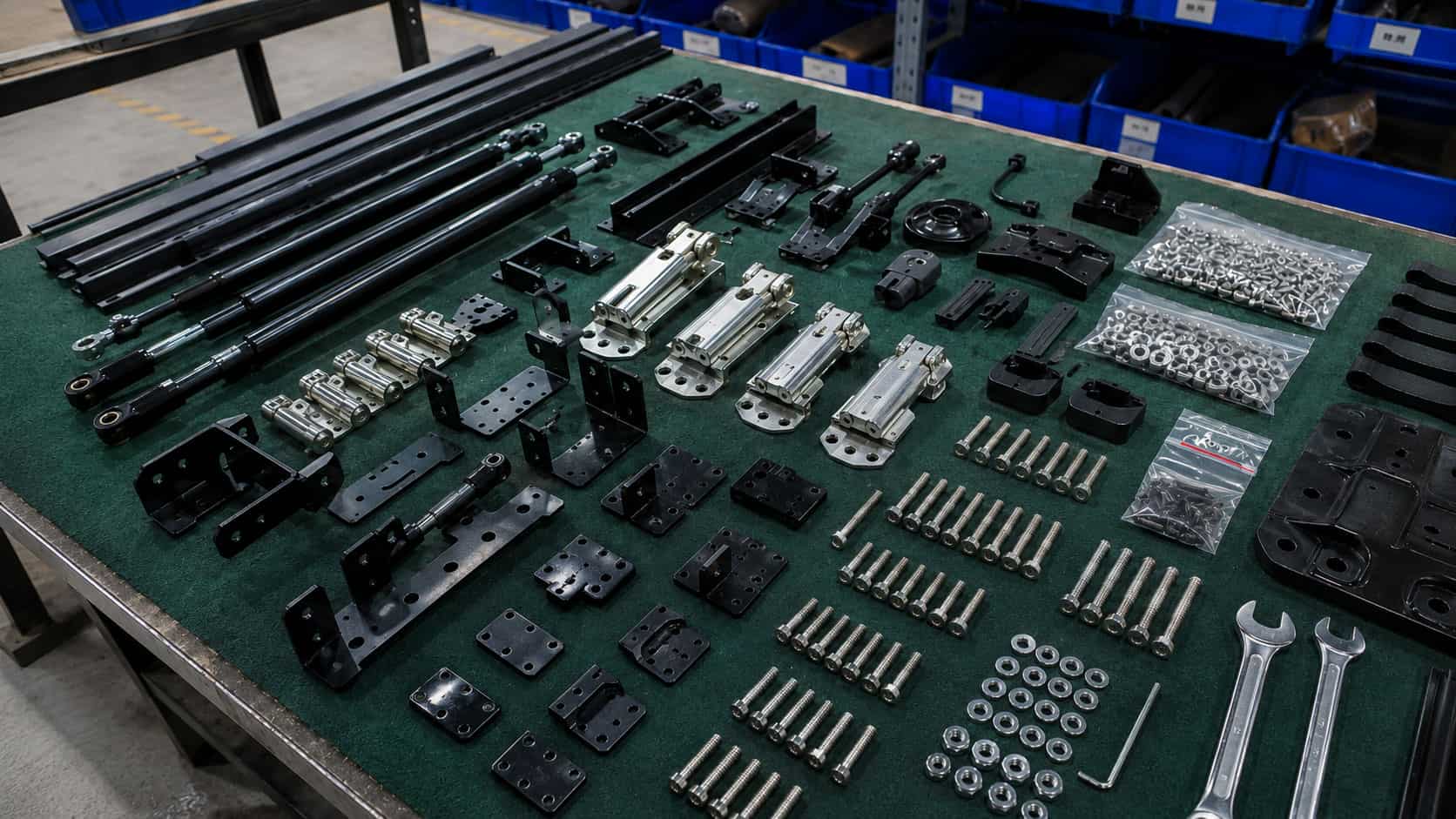
Direct answer: Evaluate rooftop tent warranty and spare-parts support as a process, not as a number of months. A credible system defines covered and excluded failure categories, the evidence needed for diagnosis, who acknowledges and decides a claim, which parts are replaceable, how revisions are identified, and who pays for the component, freight and approved local work. Buyers should request an indexed parts map, claim form, response ladder, packaging method for small replacement shipments and an escalation path for structural or safety-related cases. The warranty period alone cannot show whether a dealer can restore a customer’s tent quickly. Approval should depend on a test claim using a sample model: can both sides identify the exact part, evidence, decision owner and closure record without relying on informal chat history?
Search intent: Audit whether supplier warranty and spare-parts support can operate after real field failures.
Who this is for: Importers, distributors, dealer networks, aftersales managers, technical support and purchasing teams.
Score the Support System, Not the Headline
Evaluate support as an operating system covering evidence, parts identification, response ownership, field repair, replacement decisions and long-term availability rather than relying on a warranty-duration headline. Use the table as a working record: mark each answer as assumption, verified or approved; name the source file; and stop a decision when its evidence does not match the exact configuration under review.
| Decision area | What must be defined | Evidence and red-flag test |
|---|---|---|
| Coverage scope | separate manufacturing defects, transit damage, installation error, wear items, cosmetic variation, misuse and maintenance-related exclusions in plain language. | Request parts label and protective packing sample. Red flag: warranty period presented without coverage definitions. |
| Evidence standard | define order reference, serial or batch record, installation photos, failure images, video, usage context and inspection notes required for review. | Request cost-responsibility matrix. Red flag: parts described only by informal names. |
| Parts map | request an exploded view or indexed list for hinges, gas struts, latches, seals, mounting hardware, ladders, fabric sections and small accessories. | Request recommended local dealer stock kit. Red flag: claim photos missing installation context. |
| Availability window | ask how long critical components remain orderable after a model revision and how superseded parts are matched to earlier production. | Request model and hardware revision cross-reference. Red flag: obsolete hardware shipped to earlier models. |
| Response ladder | set acknowledgement, technical diagnosis, parts proposal, approval, dispatch and closure targets with named responsibility at every stage. | Request claim-category and corrective-action report. Red flag: dealer labor responsibility disputed after repair. |
| Field repairability | identify which jobs a dealer technician can complete safely and which structural problems require replacement or specialist evaluation. | Request customer status and safe-use communication template. Red flag: critical seals unavailable in the destination market. |
| Parts packaging | verify labels, quantities, protective wrapping, installation instructions and customs descriptions for small international replacement shipments. | Request parts label and protective packing sample. Red flag: repeated claims not linked to production batches. |
| Cost responsibility | agree who covers diagnosis, component, labor, international freight, local delivery and return transport under different claim categories. | Request cost-responsibility matrix. Red flag: customers using damaged tents while decisions wait. |
| Dealer stock kit | prioritize frequently lost or serviceable items for local inventory based on installed base, failure impact and replenishment lead time. | Request recommended local dealer stock kit. Red flag: warranty period presented without coverage definitions. |
| Revision control | connect model code, production date, hardware generation, fabric pattern and instruction version so the correct component reaches the customer. | Request model and hardware revision cross-reference. Red flag: parts described only by informal names. |
| Claim learning | categorize repeated issues by batch, part, installer, climate and use pattern to distinguish isolated cases from corrective-action priorities. | Request claim-category and corrective-action report. Red flag: claim photos missing installation context. |
| Customer communication | prepare accurate status updates, safe-use advice, temporary limitations and closure confirmation that protect dealer trust during resolution. | Request customer status and safe-use communication template. Red flag: obsolete hardware shipped to earlier models. |
Run a Sample Claim Before Bulk Approval
Step 1: Coverage scope
separate manufacturing defects, transit damage, installation error, wear items, cosmetic variation, misuse and maintenance-related exclusions in plain language. Record the current assumption, responsible owner and the event that turns it into an approved decision.
Decision output: Plain-language coverage categories with examples and exclusions.
Step 2: Evidence standard
define order reference, serial or batch record, installation photos, failure images, video, usage context and inspection notes required for review. Make the result usable by the next team instead of leaving it in a sales conversation.
Decision output: A claim-evidence list linked to order, batch and installation context.
Step 3: Parts map
request an exploded view or indexed list for hinges, gas struts, latches, seals, mounting hardware, ladders, fabric sections and small accessories. If the answer changes stock, safety, cost or customer communication, require written approval.
Decision output: An indexed parts map for hardware, seals, ladders and fabric components.
Step 4: Availability window
ask how long critical components remain orderable after a model revision and how superseded parts are matched to earlier production. Link the decision to the exact model, sample or file revision so a later team can reproduce it.
Decision output: A revision rule for matching current and superseded components.
Step 5: Response ladder
set acknowledgement, technical diagnosis, parts proposal, approval, dispatch and closure targets with named responsibility at every stage. Define what evidence closes the item and when it must be reviewed again.
Decision output: A response ladder with acknowledgement, diagnosis and closure ownership.
Step 6: Field repairability
identify which jobs a dealer technician can complete safely and which structural problems require replacement or specialist evaluation. Test the process with real staff before it becomes a public or contractual promise.
Decision output: A repair boundary separating dealer-serviceable work from escalation.
Evidence to Request for Every Support Layer
For importers, distributors, dealer networks, aftersales managers, technical support and purchasing teams., evidence should survive staff changes, shipment arrival and customer claims. Store it by model and revision, not only by supplier name. Commercial estimates remain conditional until the approved quotation, sample and final packing records agree.
Parts packaging
verify labels, quantities, protective wrapping, installation instructions and customs descriptions for small international replacement shipments.
Evidence to request: parts label and protective packing sample. If the file, sample, photograph or responsible owner cannot be named, keep the point marked as an assumption.
Cost responsibility
agree who covers diagnosis, component, labor, international freight, local delivery and return transport under different claim categories.
Evidence to request: cost-responsibility matrix. If the file, sample, photograph or responsible owner cannot be named, keep the point marked as an assumption.
Dealer stock kit
prioritize frequently lost or serviceable items for local inventory based on installed base, failure impact and replenishment lead time.
Evidence to request: recommended local dealer stock kit. If the file, sample, photograph or responsible owner cannot be named, keep the point marked as an assumption.
Revision control
connect model code, production date, hardware generation, fabric pattern and instruction version so the correct component reaches the customer.
Evidence to request: model and hardware revision cross-reference. If the file, sample, photograph or responsible owner cannot be named, keep the point marked as an assumption.
Claim learning
categorize repeated issues by batch, part, installer, climate and use pattern to distinguish isolated cases from corrective-action priorities.
Evidence to request: claim-category and corrective-action report. If the file, sample, photograph or responsible owner cannot be named, keep the point marked as an assumption.
Customer communication
prepare accurate status updates, safe-use advice, temporary limitations and closure confirmation that protect dealer trust during resolution.
Evidence to request: customer status and safe-use communication template. If the file, sample, photograph or responsible owner cannot be named, keep the point marked as an assumption.
Illustrative Claim-Control Example
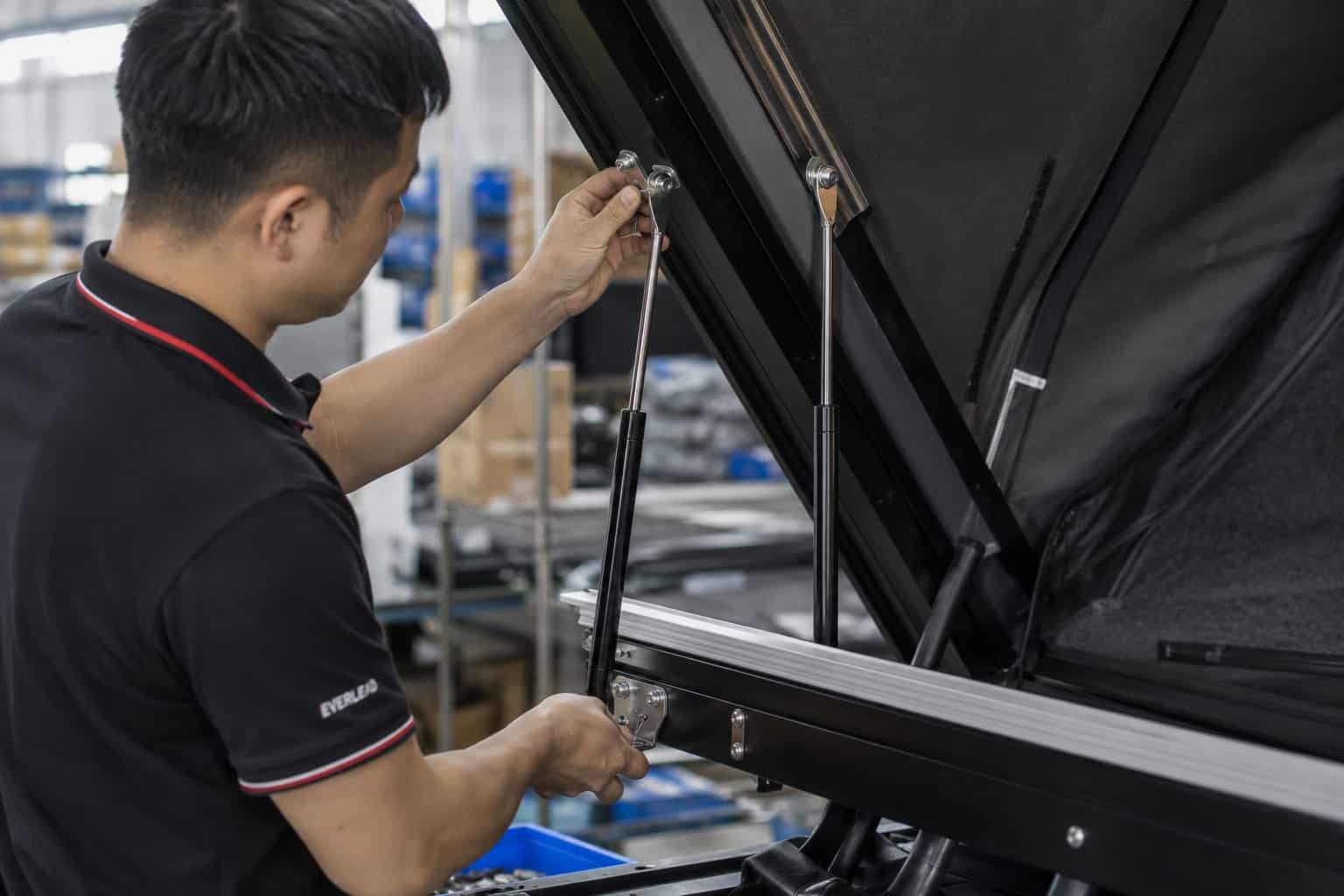
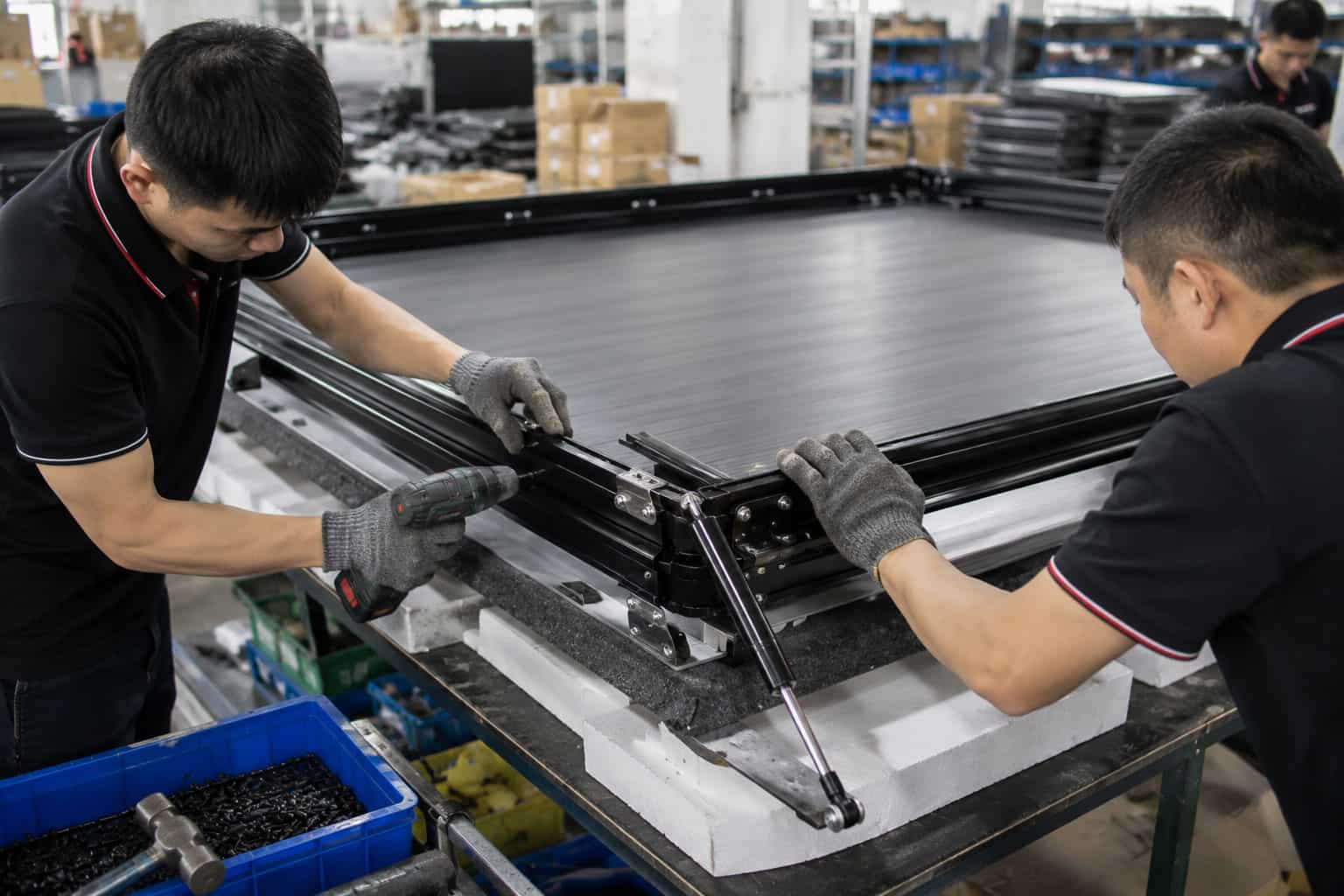
Illustrative example: a dealer reports that a gas strut no longer supports opening. The claim record includes the order reference, model and revision, overall installation photos, close views of both strut labels and mounting points, a short operating video and notes on when the symptom began. The supplier confirms whether the issue is the strut, bracket, fastener or installation geometry before dispatch. The resolution record names the approved part, quantity, fitting instructions, cost owner and closure evidence.
| Question | Strong answer | Red flag |
|---|---|---|
| How is the part identified? | Indexed part number linked to model and production revision. | “Send a photo and we will guess.” |
| What evidence is required? | Defined photos, video, order reference and installation context. | Requirements change after the claim is submitted. |
| Who closes the case? | Named decision owner and recorded resolution. | No owner after the part is shipped. |
Warranty and Parts Red Flags
Red flags are useful only when they trigger action. Assign every risk to a buyer or supplier owner, define the evidence required to close it and review unresolved items before sample approval, deposit, production release and shipment.
- To prevent warranty period presented without coverage definitions, define a responsible owner, the control action and the closure record required before approval.
- To prevent parts described only by informal names, define a responsible owner, the control action and the closure record required before approval.
- To prevent claim photos missing installation context, define a responsible owner, the control action and the closure record required before approval.
- To prevent obsolete hardware shipped to earlier models, define a responsible owner, the control action and the closure record required before approval.
- To prevent dealer labor responsibility disputed after repair, define a responsible owner, the control action and the closure record required before approval.
- To prevent critical seals unavailable in the destination market, define a responsible owner, the control action and the closure record required before approval.
- To prevent repeated claims not linked to production batches, define a responsible owner, the control action and the closure record required before approval.
- To prevent customers using damaged tents while decisions wait, define a responsible owner, the control action and the closure record required before approval.
Final Aftersales Qualification Checklist
Use this final list as an approval record. A checked item means the exact model, unit, condition, source and revision are documented—not merely discussed.
- Coverage scope: separate manufacturing defects, transit damage, installation error, wear items, cosmetic variation, misuse and maintenance-related exclusions in plain language.
- Evidence standard: define order reference, serial or batch record, installation photos, failure images, video, usage context and inspection notes required for review.
- Parts map: request an exploded view or indexed list for hinges, gas struts, latches, seals, mounting hardware, ladders, fabric sections and small accessories.
- Availability window: ask how long critical components remain orderable after a model revision and how superseded parts are matched to earlier production.
- Response ladder: set acknowledgement, technical diagnosis, parts proposal, approval, dispatch and closure targets with named responsibility at every stage.
- Field repairability: identify which jobs a dealer technician can complete safely and which structural problems require replacement or specialist evaluation.
- Parts packaging: verify labels, quantities, protective wrapping, installation instructions and customs descriptions for small international replacement shipments.
- Cost responsibility: agree who covers diagnosis, component, labor, international freight, local delivery and return transport under different claim categories.
- Dealer stock kit: prioritize frequently lost or serviceable items for local inventory based on installed base, failure impact and replenishment lead time.
- Revision control: connect model code, production date, hardware generation, fabric pattern and instruction version so the correct component reaches the customer.
- Claim learning: categorize repeated issues by batch, part, installer, climate and use pattern to distinguish isolated cases from corrective-action priorities.
- Customer communication: prepare accurate status updates, safe-use advice, temporary limitations and closure confirmation that protect dealer trust during resolution.
Sources and Methodology
For the intent “Audit whether supplier warranty and spare-parts support can operate after real field failures.”, this guide combines the SUVTent rooftop tent project knowledge base, current internal product briefs and the sources below. Advice is identified as a decision method; numerical examples are labelled illustrative or tied to the stated specification brief. Certifications, MOQ, lead time, warranty, loading quantity and commercial terms are not treated as confirmed unless the selected model and approved project documents support them.
- Internal method: Support controls are procurement recommendations; actual coverage and parts availability require current project documentation.
About the supplier: EVERLEAD is the product brand used by Guangdong Jituo Outdoor Products Co., Ltd. For importers, distributors, dealer networks, aftersales managers, technical support and purchasing teams., the relevant B2B discussions may involve rooftop tents, camping shelters and related outdoor products. Wholesale, private-label, OEM and ODM scope is confirmed by selected model and approved project requirements.
Buyer FAQ
Is a longer warranty always better?
No. Coverage definitions, evidence, parts availability, response ownership and repairability determine whether the promise works in practice.
Which spare parts should distributors consider stocking?
Prioritize low-cost, frequently lost or serviceable parts after reviewing the installed base and model-specific risk. Do not create a generic kit without part references.
What evidence should a warranty claim include?
Use order and model identification, installation context, clear photos or video, usage conditions and inspection notes appropriate to the failure.
How should obsolete parts be handled?
The supplier should map superseded parts to production revisions and confirm compatibility before dispatch.
What documents can buyers request from EVERLEAD?
Request the current warranty reference, parts information and claim requirements for the selected model and approved project configuration.