B2B Procurement Guide
How Outdoor Brands Can Add Rooftop Tents to Their Product Line
A B2B product-line extension framework for outdoor brands adding rooftop tents, from portfolio role and samples to channel readiness, service and launch KPIs.
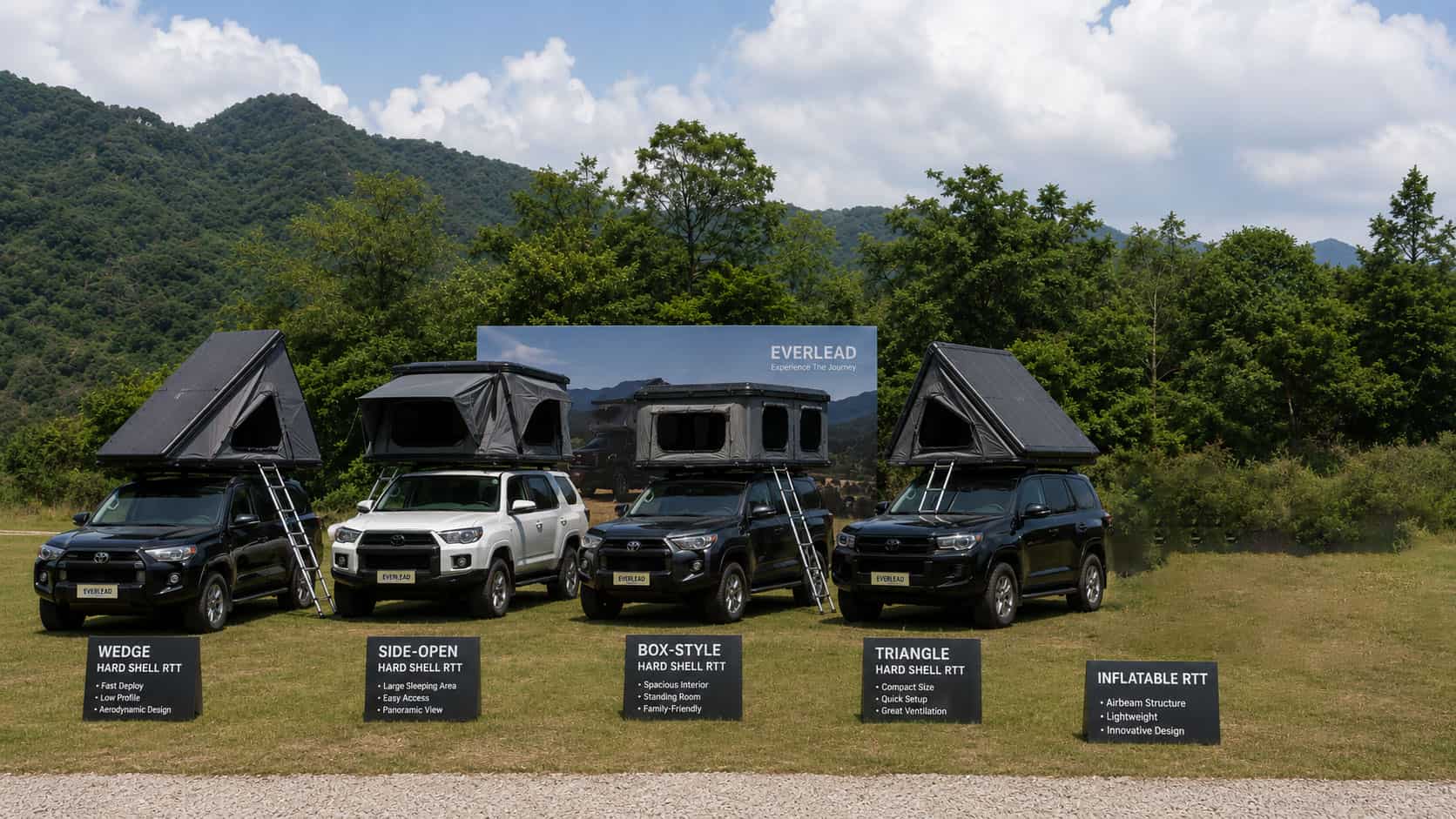
Direct answer: Outdoor brands should add rooftop tents only when the category has a defined role in the existing portfolio, a credible customer overlap and a channel capable of selling and supporting an oversized installed product. The safest route is to define an entry, core or halo role first; shortlist configurations by customer job; approve a production-representative sample; and build the data, packaging, content, training and service system before announcing the line. Private label can cover controlled identity elements such as approved logo, color, labels, manuals and packaging. Structural ODM is a separate development path that needs feasibility, prototype and validation decisions. A brand extension succeeds when the new category strengthens the parent promise and unit economics—not merely when a logo fits on the shell.
Search intent: Decide whether and how rooftop tents should extend an existing outdoor brand portfolio.
Who this is for: Brand owners, product directors, sourcing teams, channel managers and aftersales leaders.
Test Portfolio Fit Before Selecting Models
Extend an outdoor brand into rooftop tents through portfolio logic, brand promise, channel capability and controlled product approval rather than attaching a logo to an unrelated catalogue model. Use the table as a working record: mark each answer as assumption, verified or approved; name the source file; and stop a decision when its evidence does not match the exact configuration under review.
| Decision area | What must be defined | Evidence and red-flag test |
|---|---|---|
| Brand adjacency | identify whether customers already buy shelter, sleep, vehicle, overland or adventure equipment that makes the category credible. | Request signed sample approval record. Red flag: logo-first development without portfolio rationale. |
| Portfolio role | decide whether the tent is a flagship halo item, a repeatable core line, a seasonal capsule or a dealer-exclusive extension. | Request landed-cost and channel-margin model. Red flag: brand colors approved before material testing. |
| Customer continuity | compare the current audience's vehicle ownership, trip style, spending band and service expectations with the proposed rooftop tent buyer. | Request approved product data and content pack. Red flag: retailers unable to handle oversized cartons. |
| Design language | translate brand colors, material cues, typography and packaging tone without changing structural components before engineering review. | Request parts and warranty operating procedure. Red flag: premium promise paired with weak documentation. |
| Channel capability | confirm which retailers can display, explain, install, store and support oversized products with longer decision cycles. | Request launch calendar with named owners. Red flag: margin model excluding freight and replacements. |
| Assortment boundary | choose a limited first family with distinct use cases and avoid duplicating sleeping capacity or opening mechanism across nearby SKUs. | Request post-launch portfolio scorecard. Red flag: launch photos inconsistent with production samples. |
| Sample approval | document shell finish, fabric hand feel, stitching, hardware, mattress, accessories, labels, manuals, carton artwork and photography standards. | Request signed sample approval record. Red flag: too many opening models in the first range. |
| Commercial model | calculate wholesale margin, dealer margin, freight exposure, sample cost, launch assets, spare parts and warranty reserve together. | Request landed-cost and channel-margin model. Red flag: aftersales tone disconnected from the parent brand. |
| Content system | prepare comparison charts, fitment questions, setup videos, care instructions, installation guidance and objection-handling material before launch. | Request approved product data and content pack. Red flag: logo-first development without portfolio rationale. |
| Service promise | define response ownership, evidence required, replaceable components, resolution levels and communication language that match the parent brand. | Request parts and warranty operating procedure. Red flag: brand colors approved before material testing. |
| Launch sequencing | coordinate catalogue reveal, dealer training, sample placement, photography, preorder windows and replenishment decisions on one calendar. | Request launch calendar with named owners. Red flag: retailers unable to handle oversized cartons. |
| Portfolio review | measure sell-through, dealer adoption, customer fit, service tickets, content engagement and cross-sales with existing outdoor categories. | Request post-launch portfolio scorecard. Red flag: premium promise paired with weak documentation. |
Move From White Space to an Approved Product Family
Step 1: Brand adjacency
identify whether customers already buy shelter, sleep, vehicle, overland or adventure equipment that makes the category credible. Record the current assumption, responsible owner and the event that turns it into an approved decision.
Decision output: A customer-overlap statement supported by existing category evidence.
Step 2: Portfolio role
decide whether the tent is a flagship halo item, a repeatable core line, a seasonal capsule or a dealer-exclusive extension. Make the result usable by the next team instead of leaving it in a sales conversation.
Decision output: A written role for the rooftop tent line within the price and product ladder.
Step 3: Customer continuity
compare the current audience's vehicle ownership, trip style, spending band and service expectations with the proposed rooftop tent buyer. If the answer changes stock, safety, cost or customer communication, require written approval.
Decision output: A comparison of current customers with the intended vehicle-based buyer.
Step 4: Design language
translate brand colors, material cues, typography and packaging tone without changing structural components before engineering review. Link the decision to the exact model, sample or file revision so a later team can reproduce it.
Decision output: A design brief separating cosmetic identity from structural changes.
Step 5: Channel capability
confirm which retailers can display, explain, install, store and support oversized products with longer decision cycles. Define what evidence closes the item and when it must be reviewed again.
Decision output: A retailer capability audit for display, storage, installation and service.
Step 6: Assortment boundary
choose a limited first family with distinct use cases and avoid duplicating sleeping capacity or opening mechanism across nearby SKUs. Test the process with real staff before it becomes a public or contractual promise.
Decision output: A launch assortment in which every model performs a different job.
Documentation for Brand, Channel and Service Approval
For brand owners, product directors, sourcing teams, channel managers and aftersales leaders., evidence should survive staff changes, shipment arrival and customer claims. Store it by model and revision, not only by supplier name. Commercial estimates remain conditional until the approved quotation, sample and final packing records agree.
Sample approval
document shell finish, fabric hand feel, stitching, hardware, mattress, accessories, labels, manuals, carton artwork and photography standards.
Evidence to request: signed sample approval record. If the file, sample, photograph or responsible owner cannot be named, keep the point marked as an assumption.
Commercial model
calculate wholesale margin, dealer margin, freight exposure, sample cost, launch assets, spare parts and warranty reserve together.
Evidence to request: landed-cost and channel-margin model. If the file, sample, photograph or responsible owner cannot be named, keep the point marked as an assumption.
Content system
prepare comparison charts, fitment questions, setup videos, care instructions, installation guidance and objection-handling material before launch.
Evidence to request: approved product data and content pack. If the file, sample, photograph or responsible owner cannot be named, keep the point marked as an assumption.
Service promise
define response ownership, evidence required, replaceable components, resolution levels and communication language that match the parent brand.
Evidence to request: parts and warranty operating procedure. If the file, sample, photograph or responsible owner cannot be named, keep the point marked as an assumption.
Launch sequencing
coordinate catalogue reveal, dealer training, sample placement, photography, preorder windows and replenishment decisions on one calendar.
Evidence to request: launch calendar with named owners. If the file, sample, photograph or responsible owner cannot be named, keep the point marked as an assumption.
Portfolio review
measure sell-through, dealer adoption, customer fit, service tickets, content engagement and cross-sales with existing outdoor categories.
Evidence to request: post-launch portfolio scorecard. If the file, sample, photograph or responsible owner cannot be named, keep the point marked as an assumption.

Illustrative Product-Line Extension
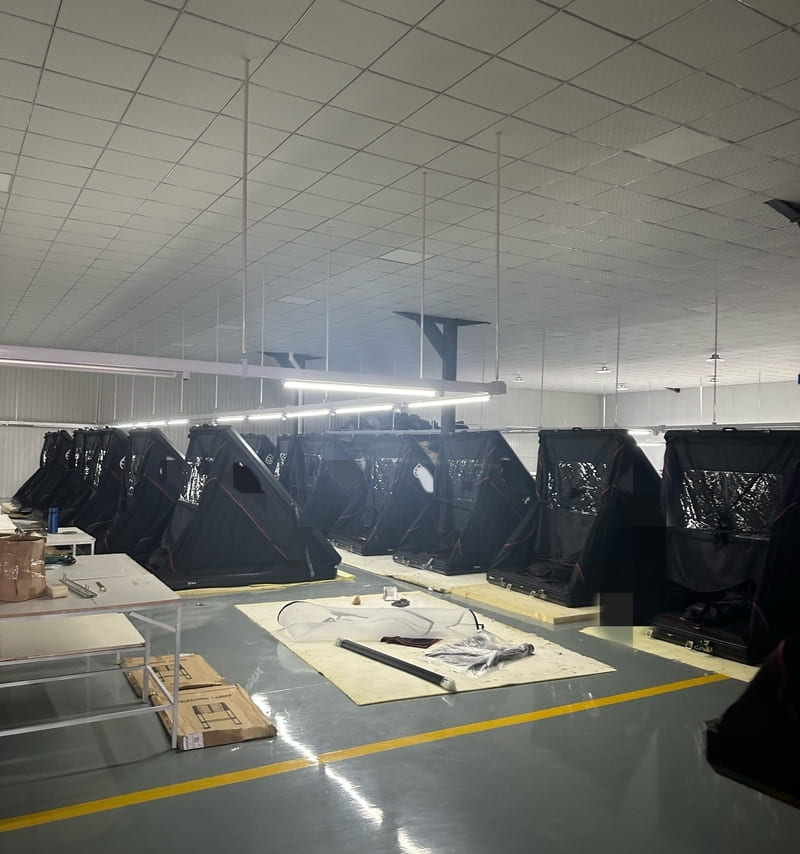
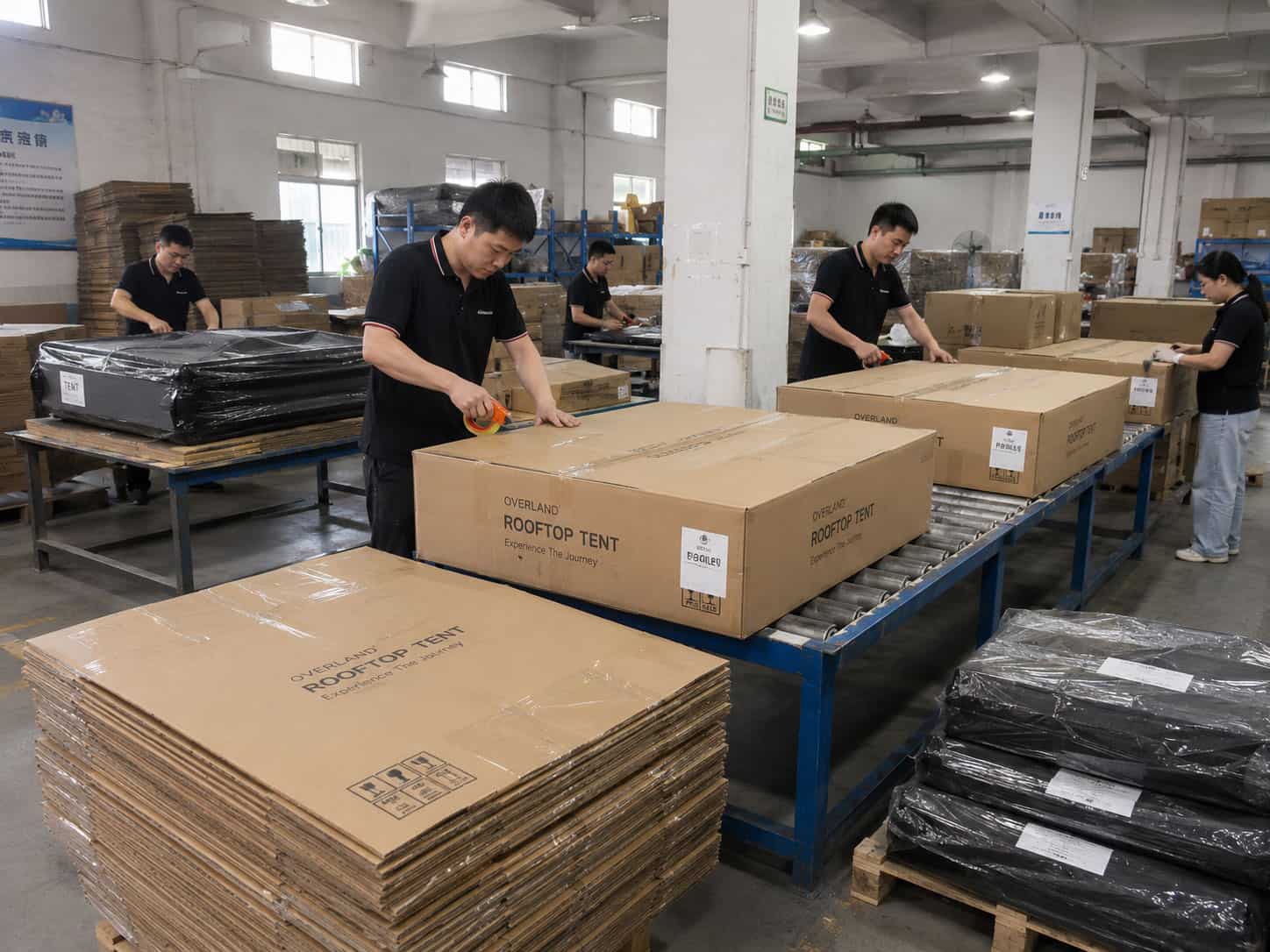
Illustrative example: a camping-shelter brand finds that its strongest dealers already serve overland and vehicle-travel customers. It defines a fast-opening hard shell as the halo product, a simpler core model as the volume candidate and accessories as the bridge to its existing range. The sample gate covers finish, fabric, hardware, mattress, packed carton, labels, manual and photo accuracy. The brand does not publish a launch date until the service team can identify replaceable parts and the channel team can explain installation boundaries.
The management review should compare category contribution, cross-sales with current shelter products, retailer adoption, support workload and stock turn. A rooftop tent that produces attention but weak contribution or an unmanageable claim burden does not automatically deserve a wider range.
Portfolio Red Flags
Red flags are useful only when they trigger action. Assign every risk to a buyer or supplier owner, define the evidence required to close it and review unresolved items before sample approval, deposit, production release and shipment.
- To prevent logo-first development without portfolio rationale, define a responsible owner, the control action and the closure record required before approval.
- To prevent brand colors approved before material testing, define a responsible owner, the control action and the closure record required before approval.
- To prevent retailers unable to handle oversized cartons, define a responsible owner, the control action and the closure record required before approval.
- To prevent premium promise paired with weak documentation, define a responsible owner, the control action and the closure record required before approval.
- To prevent margin model excluding freight and replacements, define a responsible owner, the control action and the closure record required before approval.
- To prevent launch photos inconsistent with production samples, define a responsible owner, the control action and the closure record required before approval.
- To prevent too many opening models in the first range, define a responsible owner, the control action and the closure record required before approval.
- To prevent aftersales tone disconnected from the parent brand, define a responsible owner, the control action and the closure record required before approval.
Final Brand Extension Checklist
Use this final list as an approval record. A checked item means the exact model, unit, condition, source and revision are documented—not merely discussed.
- Brand adjacency: identify whether customers already buy shelter, sleep, vehicle, overland or adventure equipment that makes the category credible.
- Portfolio role: decide whether the tent is a flagship halo item, a repeatable core line, a seasonal capsule or a dealer-exclusive extension.
- Customer continuity: compare the current audience's vehicle ownership, trip style, spending band and service expectations with the proposed rooftop tent buyer.
- Design language: translate brand colors, material cues, typography and packaging tone without changing structural components before engineering review.
- Channel capability: confirm which retailers can display, explain, install, store and support oversized products with longer decision cycles.
- Assortment boundary: choose a limited first family with distinct use cases and avoid duplicating sleeping capacity or opening mechanism across nearby SKUs.
- Sample approval: document shell finish, fabric hand feel, stitching, hardware, mattress, accessories, labels, manuals, carton artwork and photography standards.
- Commercial model: calculate wholesale margin, dealer margin, freight exposure, sample cost, launch assets, spare parts and warranty reserve together.
- Content system: prepare comparison charts, fitment questions, setup videos, care instructions, installation guidance and objection-handling material before launch.
- Service promise: define response ownership, evidence required, replaceable components, resolution levels and communication language that match the parent brand.
- Launch sequencing: coordinate catalogue reveal, dealer training, sample placement, photography, preorder windows and replenishment decisions on one calendar.
- Portfolio review: measure sell-through, dealer adoption, customer fit, service tickets, content engagement and cross-sales with existing outdoor categories.
Sources and Methodology
For the intent “Decide whether and how rooftop tents should extend an existing outdoor brand portfolio.”, this guide combines the SUVTent rooftop tent project knowledge base, current internal product briefs and the sources below. Advice is identified as a decision method; numerical examples are labelled illustrative or tied to the stated specification brief. Certifications, MOQ, lead time, warranty, loading quantity and commercial terms are not treated as confirmed unless the selected model and approved project documents support them.
- Internal method: Portfolio and launch recommendations are decision tools; configuration and commercial terms must be confirmed per project.
About the supplier: EVERLEAD is the product brand used by Guangdong Jituo Outdoor Products Co., Ltd. For brand owners, product directors, sourcing teams, channel managers and aftersales leaders., the relevant B2B discussions may involve rooftop tents, camping shelters and related outdoor products. Wholesale, private-label, OEM and ODM scope is confirmed by selected model and approved project requirements.
Buyer FAQ
Should an outdoor brand start with private label or full ODM?
Use controlled private-label changes when an existing configuration fits the market. Treat structural changes as a separate ODM project with feasibility, prototype, validation and approval gates.
How many models should be in the first range?
Use a focused family with distinct customer jobs and price roles. Add variants only when channel evidence justifies the extra inventory and content burden.
What must be approved on the sample?
Approve configuration, finish, materials, hardware, accessories, labels, manuals, carton artwork, packing method and production-reference media.
How should a brand evaluate retailer readiness?
Check display space, oversized storage, fitment knowledge, installation path, delivery method and aftersales ownership.
What can EVERLEAD provide for a line-extension discussion?
EVERLEAD can discuss rooftop tent product families, sample review, private-label scope, packaging information and project requirements subject to approved specifications and quotation.