B2B Procurement Guide
How to Launch Rooftop Tents in a 4x4 Accessory Store
A 30/60/90-day B2B plan for 4x4 stores launching rooftop tents, covering assortment, display, installation, staff training, KPIs and supplier evidence.
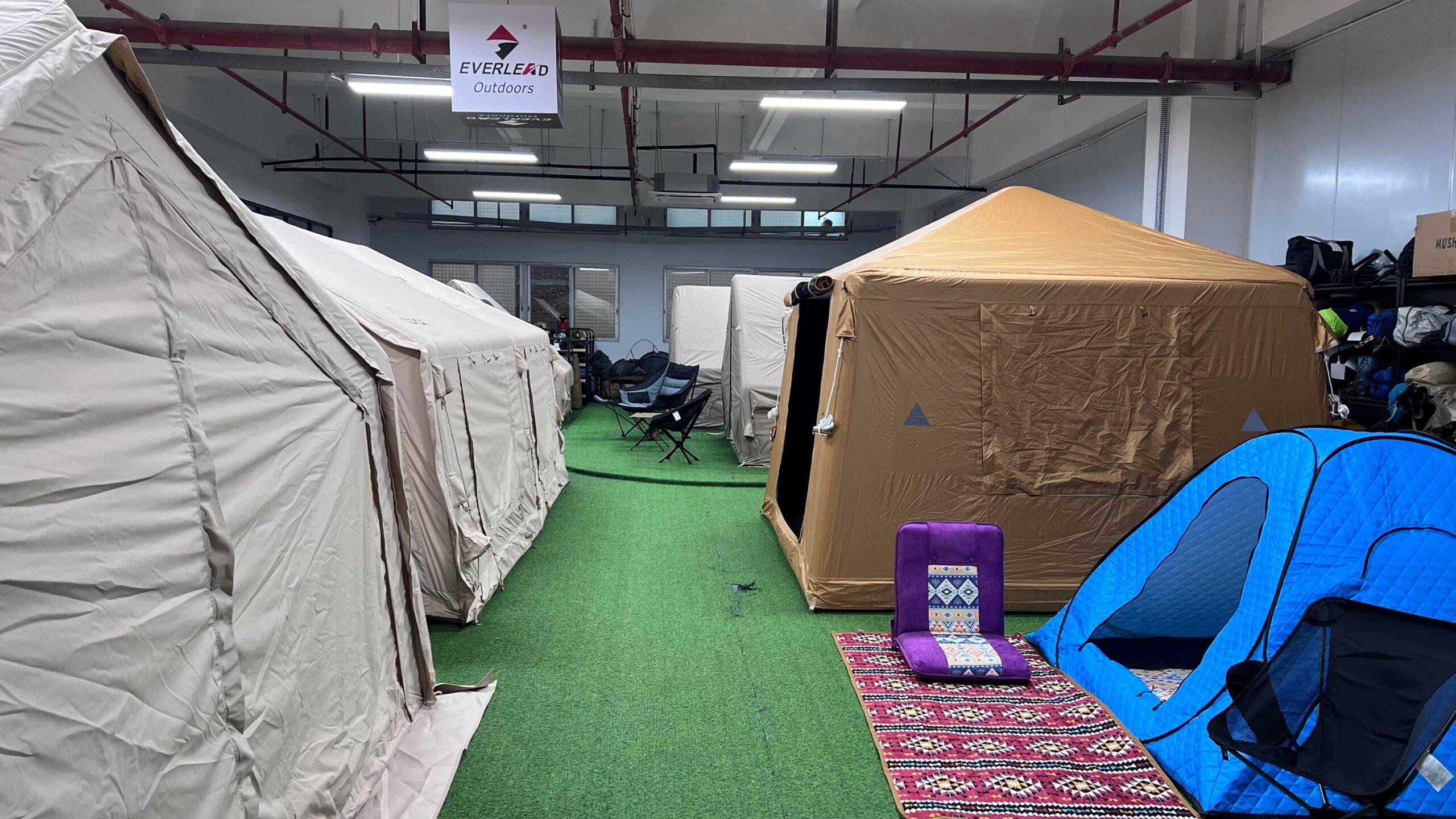
Direct answer: A 4x4 accessory store should launch rooftop tents as an installed, demonstrated and supported category—not as oversized shelf inventory. Begin with a narrow assortment whose roles are visibly different, verify that each display vehicle and rack can support the planned demonstration, train staff on fitment boundaries and opening/closing, and connect stock levels to qualified enquiries. Before ordering, the store needs a safe display zone, an installation handover, a parts and warranty workflow, and a 30/60/90-day scorecard. The first commercial decision is therefore not “which tent is cheapest?” It is whether the store can explain, fit, install, deliver and support each selected SKU without creating avoidable vehicle, inventory or service risk.
Search intent: Create an executable launch plan for an established 4x4 accessory retailer adding rooftop tents.
Who this is for: 4x4 store owners, category managers, installers, purchasing managers and regional accessory chains.
Define the Store Launch Brief
Build a controlled store launch that connects vehicle-fit questions, installer confidence, showroom education and opening inventory instead of treating rooftop tents as ordinary shelf stock. Use the table as a working record: mark each answer as assumption, verified or approved; name the source file; and stop a decision when its evidence does not match the exact configuration under review.
| Decision area | What must be defined | Evidence and red-flag test |
|---|---|---|
| Vehicle mix | map pickups, SUVs, crossovers, gutters, raised rails and aftermarket racks seen in the store before choosing demonstration models. | Request approved fitment questions and installation manual. Red flag: display model without a verified rack. |
| Installer readiness | define roof-load checks, crossbar spacing questions, torque practice, handover photos and escalation rules for uncertain fitment cases. | Request sample setup video and hardware list. Red flag: sales claims that ignore vehicle limits. |
| Showroom footprint | reserve floor area for one opened tent, one closed shell and a safe ladder demonstration without blocking high-traffic accessory aisles. | Request final packed dimensions and handling points. Red flag: too many visually similar opening SKUs. |
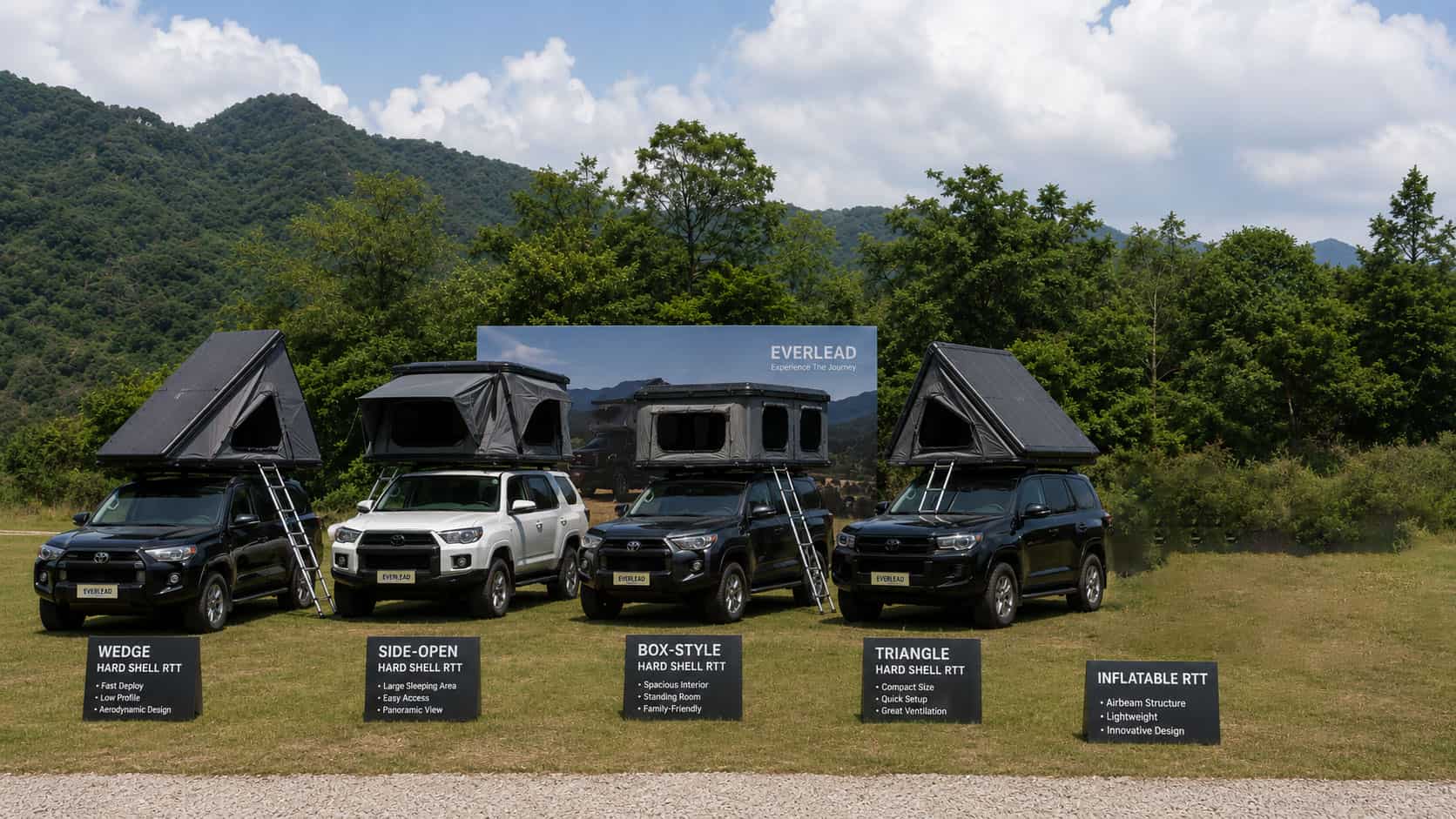
| Range architecture | separate entry, core and premium roles by opening style, packed profile, sleeping capacity and customer use case rather than color alone. | Request replacement-parts index and claim process. Red flag: no safe ladder demonstration zone. |
| Sales discovery | train staff to ask about vehicle, occupants, trip length, climate, storage, setup tolerance and expected mounting frequency. | Request model-specific product data sheet. Red flag: inventory bought without local enquiry evidence. |
| Demonstration script | rehearse opening, closing, ladder placement, ventilation, mattress explanation and wet-weather reset in a consistent sequence. | Request monthly enquiry, quote, installation and return report. Red flag: installation responsibility left undefined. |
| Opening inventory | connect each SKU to forecasted enquiries, local vehicle patterns, storage capacity and a reorder trigger instead of equal unit allocation. | Request approved fitment questions and installation manual. Red flag: accessories offered without compatibility notes. |
| Attachment sales | prepare compatible awnings, bedding, anti-condensation layers, lighting, organizers and spare mounting hardware as named bundle options. | Request sample setup video and hardware list. Red flag: warranty evidence scattered across staff phones. |
| Customer handover | use a signed checklist covering rack suitability, fastener recheck, maximum loads, road inspection and product care responsibilities. | Request final packed dimensions and handling points. Red flag: display model without a verified rack. |
| Local marketing | create vehicle-specific photographs, installation appointments, launch-week demonstrations and owner-club partnerships that generate qualified visits. | Request replacement-parts index and claim process. Red flag: sales claims that ignore vehicle limits. |
| Aftersales desk | assign ownership for missing hardware, damaged packaging, replacement fabric, ladder parts, warranty evidence and customer response timing. | Request model-specific product data sheet. Red flag: too many visually similar opening SKUs. |
| Performance review | track enquiries, demonstrations, quotations, installations, attachment rate, objections, returns and reorder timing by model every month. | Request monthly enquiry, quote, installation and return report. Red flag: no safe ladder demonstration zone. |
Build the First 30/60/90-Day Operating Plan
Step 1: Vehicle mix
map pickups, SUVs, crossovers, gutters, raised rails and aftermarket racks seen in the store before choosing demonstration models. Record the current assumption, responsible owner and the event that turns it into an approved decision.
Decision output: A vehicle-and-rack intake form used before any recommendation.
Step 2: Installer readiness
define roof-load checks, crossbar spacing questions, torque practice, handover photos and escalation rules for uncertain fitment cases. Make the result usable by the next team instead of leaving it in a sales conversation.
Decision output: An installer sign-off sheet covering tools, torque references and escalation.
Step 3: Showroom footprint
reserve floor area for one opened tent, one closed shell and a safe ladder demonstration without blocking high-traffic accessory aisles. If the answer changes stock, safety, cost or customer communication, require written approval.
Decision output: A floor plan with ladder clearance and supervised demonstration rules.
Step 4: Range architecture
separate entry, core and premium roles by opening style, packed profile, sleeping capacity and customer use case rather than color alone. Link the decision to the exact model, sample or file revision so a later team can reproduce it.
Decision output: A three-role assortment map: entry, core and premium or specialist.
Step 5: Sales discovery
train staff to ask about vehicle, occupants, trip length, climate, storage, setup tolerance and expected mounting frequency. Define what evidence closes the item and when it must be reviewed again.
Decision output: A discovery script that records occupants, trip type, climate and storage.
Step 6: Demonstration script
rehearse opening, closing, ladder placement, ventilation, mattress explanation and wet-weather reset in a consistent sequence. Test the process with real staff before it becomes a public or contractual promise.
Decision output: A repeatable open-close demonstration and customer handover sequence.
Evidence Required From the Supplier and Store Team
For 4x4 store owners, category managers, installers, purchasing managers and regional accessory chains., evidence should survive staff changes, shipment arrival and customer claims. Store it by model and revision, not only by supplier name. Commercial estimates remain conditional until the approved quotation, sample and final packing records agree.
Opening inventory
connect each SKU to forecasted enquiries, local vehicle patterns, storage capacity and a reorder trigger instead of equal unit allocation.
Evidence to request: approved fitment questions and installation manual. If the file, sample, photograph or responsible owner cannot be named, keep the point marked as an assumption.
Attachment sales
prepare compatible awnings, bedding, anti-condensation layers, lighting, organizers and spare mounting hardware as named bundle options.
Evidence to request: sample setup video and hardware list. If the file, sample, photograph or responsible owner cannot be named, keep the point marked as an assumption.
Customer handover
use a signed checklist covering rack suitability, fastener recheck, maximum loads, road inspection and product care responsibilities.
Evidence to request: final packed dimensions and handling points. If the file, sample, photograph or responsible owner cannot be named, keep the point marked as an assumption.
Local marketing
create vehicle-specific photographs, installation appointments, launch-week demonstrations and owner-club partnerships that generate qualified visits.
Evidence to request: replacement-parts index and claim process. If the file, sample, photograph or responsible owner cannot be named, keep the point marked as an assumption.
Aftersales desk
assign ownership for missing hardware, damaged packaging, replacement fabric, ladder parts, warranty evidence and customer response timing.
Evidence to request: model-specific product data sheet. If the file, sample, photograph or responsible owner cannot be named, keep the point marked as an assumption.
Performance review
track enquiries, demonstrations, quotations, installations, attachment rate, objections, returns and reorder timing by model every month.
Evidence to request: monthly enquiry, quote, installation and return report. If the file, sample, photograph or responsible owner cannot be named, keep the point marked as an assumption.
Illustrative Store Launch Scenario
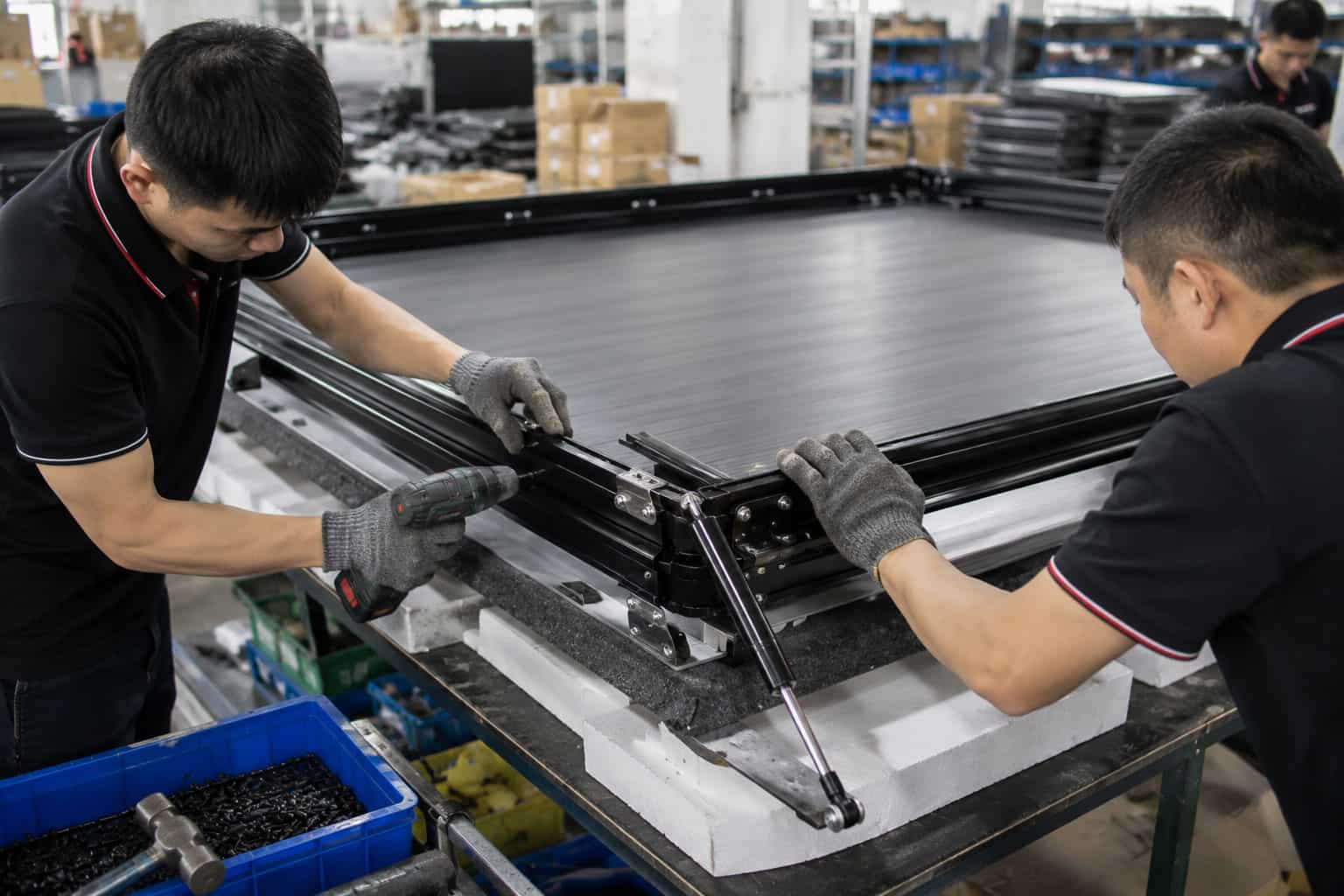
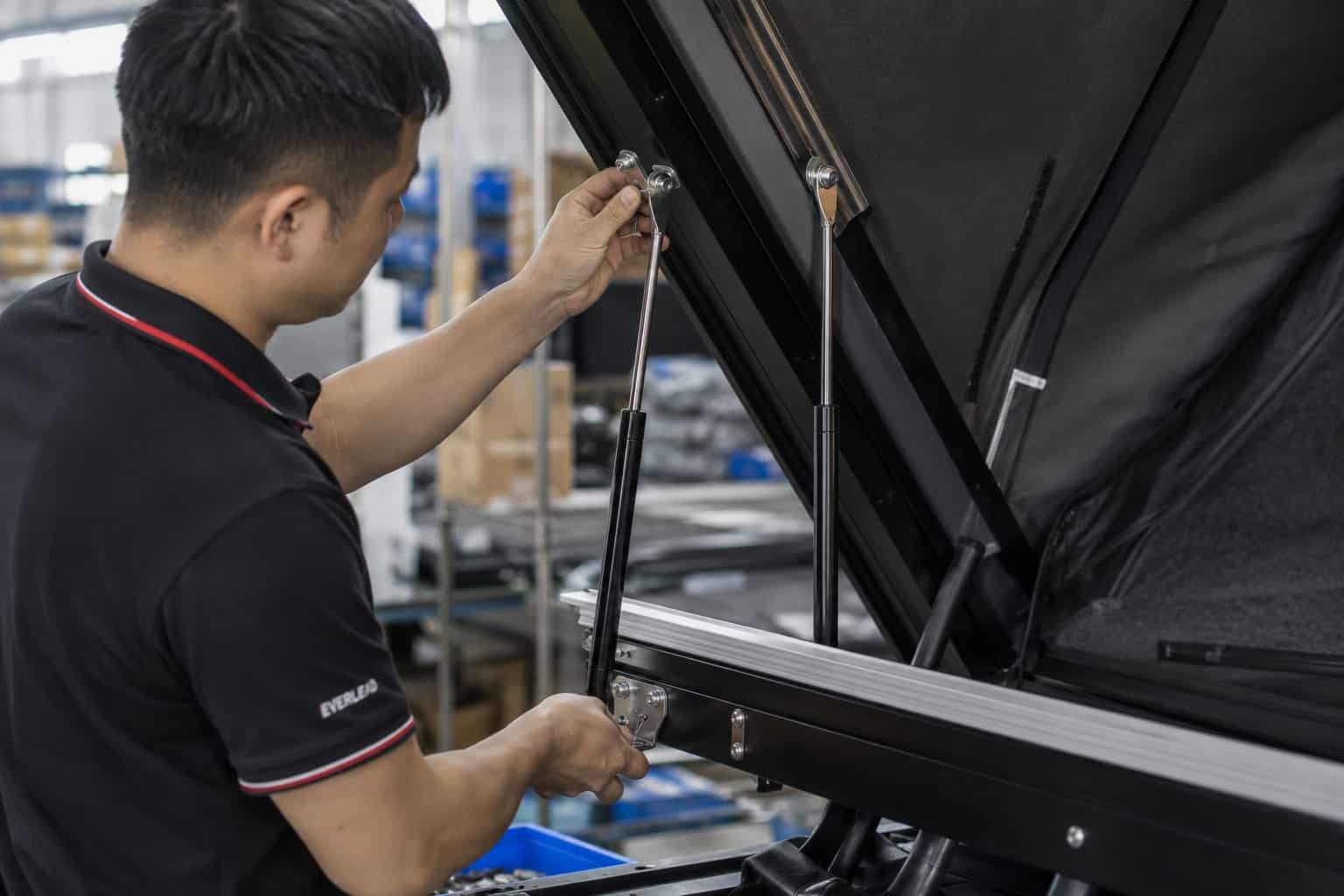
Illustrative example: a store starts with one fast-opening hard-shell display, one space-led side-opening option and one price-accessible model. During days 1–30, the team validates rack questions, measures the display zone, installs samples and records every staff objection. During days 31–60, it runs appointment demonstrations, publishes vehicle-specific media and tracks qualified enquiries rather than foot traffic alone. During days 61–90, it compares quotation-to-installation conversion, accessory attachment, return reasons and stock cover before approving a reorder.
| Period | Primary output | Decision gate |
|---|---|---|
| Days 1–30 | Fitment intake, trained installers, approved samples and display safety. | No public launch until staff can reject an unsafe or uncertain fitment. |
| Days 31–60 | Demonstrations, local vehicle content and enquiry capture. | Continue only when each SKU has a clear customer and sales explanation. |
| Days 61–90 | KPI review, service feedback and reorder proposal. | Reorder by evidence; do not split inventory equally by model. |
Launch Errors That Damage Margin
Red flags are useful only when they trigger action. Assign every risk to a buyer or supplier owner, define the evidence required to close it and review unresolved items before sample approval, deposit, production release and shipment.
- To prevent display model without a verified rack, define a responsible owner, the control action and the closure record required before approval.
- To prevent sales claims that ignore vehicle limits, define a responsible owner, the control action and the closure record required before approval.
- To prevent too many visually similar opening SKUs, define a responsible owner, the control action and the closure record required before approval.
- To prevent no safe ladder demonstration zone, define a responsible owner, the control action and the closure record required before approval.
- To prevent inventory bought without local enquiry evidence, define a responsible owner, the control action and the closure record required before approval.
- To prevent installation responsibility left undefined, define a responsible owner, the control action and the closure record required before approval.
- To prevent accessories offered without compatibility notes, define a responsible owner, the control action and the closure record required before approval.
- To prevent warranty evidence scattered across staff phones, define a responsible owner, the control action and the closure record required before approval.
Final 4x4 Store Readiness Checklist
Use this final list as an approval record. A checked item means the exact model, unit, condition, source and revision are documented—not merely discussed.
- Vehicle mix: map pickups, SUVs, crossovers, gutters, raised rails and aftermarket racks seen in the store before choosing demonstration models.
- Installer readiness: define roof-load checks, crossbar spacing questions, torque practice, handover photos and escalation rules for uncertain fitment cases.
- Showroom footprint: reserve floor area for one opened tent, one closed shell and a safe ladder demonstration without blocking high-traffic accessory aisles.
- Range architecture: separate entry, core and premium roles by opening style, packed profile, sleeping capacity and customer use case rather than color alone.
- Sales discovery: train staff to ask about vehicle, occupants, trip length, climate, storage, setup tolerance and expected mounting frequency.
- Demonstration script: rehearse opening, closing, ladder placement, ventilation, mattress explanation and wet-weather reset in a consistent sequence.
- Opening inventory: connect each SKU to forecasted enquiries, local vehicle patterns, storage capacity and a reorder trigger instead of equal unit allocation.
- Attachment sales: prepare compatible awnings, bedding, anti-condensation layers, lighting, organizers and spare mounting hardware as named bundle options.
- Customer handover: use a signed checklist covering rack suitability, fastener recheck, maximum loads, road inspection and product care responsibilities.
- Local marketing: create vehicle-specific photographs, installation appointments, launch-week demonstrations and owner-club partnerships that generate qualified visits.
- Aftersales desk: assign ownership for missing hardware, damaged packaging, replacement fabric, ladder parts, warranty evidence and customer response timing.
- Performance review: track enquiries, demonstrations, quotations, installations, attachment rate, objections, returns and reorder timing by model every month.
Sources and Methodology
For the intent “Create an executable launch plan for an established 4x4 accessory retailer adding rooftop tents.”, this guide combines the SUVTent rooftop tent project knowledge base, current internal product briefs and the sources below. Advice is identified as a decision method; numerical examples are labelled illustrative or tied to the stated specification brief. Certifications, MOQ, lead time, warranty, loading quantity and commercial terms are not treated as confirmed unless the selected model and approved project documents support them.
- Internal method: Store-launch controls are editorial recommendations; model, fitment and commercial data require approved project documents.
About the supplier: EVERLEAD is the product brand used by Guangdong Jituo Outdoor Products Co., Ltd. For 4x4 store owners, category managers, installers, purchasing managers and regional accessory chains., the relevant B2B discussions may involve rooftop tents, camping shelters and related outdoor products. Wholesale, private-label, OEM and ODM scope is confirmed by selected model and approved project requirements.
Buyer FAQ
How many rooftop tent models should a 4x4 store launch first?
Start with the smallest range that covers distinct customer jobs. Three clearly separated roles are often easier to display, train and support than a broad catalogue, but final quantity and model count must follow local evidence and approved commercial terms.
Does the store need an installation service?
The store needs a defined installation path even if a partner performs the work. Responsibility for rack checks, mounting, handover, reinspection and uncertain fitment must be clear before sale.
Which KPIs matter in the first 90 days?
Track qualified enquiries, demonstrations, quotations, installations, attachment sales, objections, returns, support cases and reorder timing by model.
Should the display tent be mounted on a vehicle?
A vehicle display can be effective only when the vehicle and rack are verified, the ladder zone is controlled and staff supervise demonstrations.
What should a store request from EVERLEAD?
Request a model shortlist, current specifications, sample scope, packed data, installation material, parts information and an approved quotation matched to the store plan.