Buyer Guide for B2B buyers
How to Select 3-5 Rooftop Tent Models for a New Distributor
Explore how to select 3-5 rooftop tent models for a new distributor for Importers / Distributors. Get product options, sourcing notes, OEM/ODM support, and
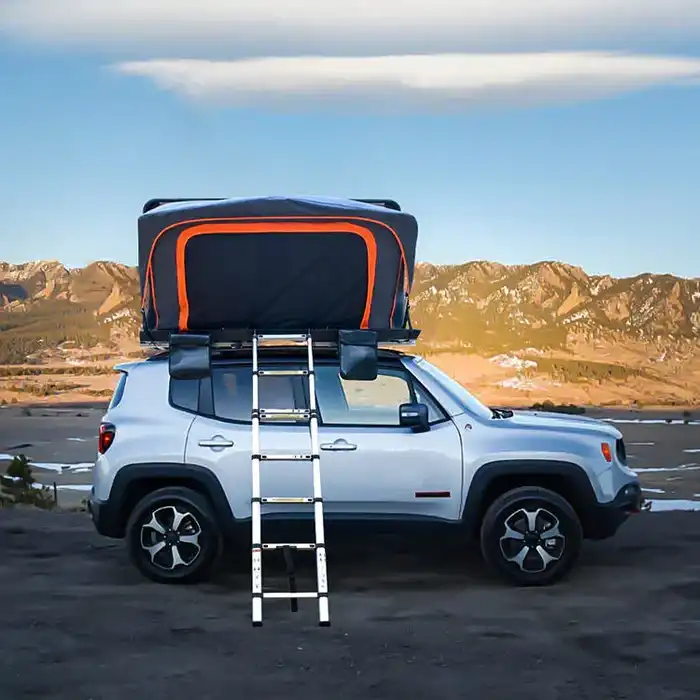
Quick answer: How to Select 3-5 Rooftop Tent Models for a New Distributor should start with a clear buyer role, destination market, product family, quantity range and decision timeline. A clear brief helps the supplier recommend suitable models, explain sourcing tradeoffs and prepare a useful quote.
How Buyers Should Plan How to Select 3-5 Rooftop Tent Models for a New Distributor
This guide helps Importers / Distributors turn a broad sourcing question into a practical product decision. Compare the target market, sales channel, product family, sample scope, packaging requirements and order plan before using price as the final filter.
SUVTent / EVERLEAD supports rooftop tent and outdoor product sourcing discussions for distributors, retailers and private label brands. A useful inquiry connects product interest with market requirements, estimated quantity and the details that must be checked before approval.
Buyer Fit
Clarify buyer role, sales channel, target market and the product problem this page should solve.
Program Scope
Confirm product family, sample path, branding or packaging needs, MOQ discussion and quote information.
Next Step
Prepare the details needed for a practical supplier reply instead of asking only for a generic price.
How to Select 3-5 Rooftop Tent Models for a New Distributor Buying Notes
How to Select 3-5 Rooftop Tent Models for a New Distributor should be reviewed through the buyer's channel, market, product role, sample needs, packaging expectations and order plan.
| Focus Area | Buyer Review Point |
|---|---|
| Buyer context | Clarify market, channel, product role and expected order path. |
| Product details | Review model structure, materials, packaging, sample questions and support needs. |
| Quote path | Send quantity range, destination, timeline and any branding requirements. |
Practical Review Points
- buyer role
- market fit
- sample plan
- quote details
- packaging needs
- product shortlist
- order timing
- support materials
Market Context and Buyer Language
Buyer comparisons often focus on China rooftop tent manufacturer, ISO 9001, hardshell/soft top, car awnings, OEM/ODM. Use this context to ask for the right product family, sample path, packaging information and quote detail.
Dealers should translate broad comparison language such as rooftop tent manufacturer, wholesale rooftop tents, B2B sourcing into questions that can be checked during sample review.
- Which product structure is easiest for the target customer to understand and use?
- What must sales staff demonstrate before recommending the product?
- Which replacement parts, instructions and troubleshooting steps will the channel need?
- How do packed size, carton protection and handling affect the order plan?
Wholesale, OEM and Sample Planning
Start with the lowest-risk decision that can be verified. Confirm the product direction, prepare a focused sample request, review structure and accessories, then define packaging, labels, manuals, spare parts and shipment assumptions before scaling.
For wholesale, compare available models and channel fit. For private label, add logo position, color direction and packaging artwork. For deeper OEM or ODM work, separate cosmetic changes from structural changes so the sample path and approval responsibility remain clear.
What to include in the first message
- Destination country and sales channel.
- Product family or use case being compared.
- Estimated sample and bulk quantity.
- Branding, packaging, manual and label requirements.
- Questions about fitment, accessories, spare parts or after-sales support.
Build the Range Around Customer Jobs, Not Similar-Looking Tents
A new distributor does not need five rooftop tents that compete for the same buyer. The first range should cover distinct customer jobs while remaining simple enough for the sales team, warehouse and installers to understand. Start by defining the main purchase situations in the destination market: a value-focused first-time buyer, a couple wanting fast weekend setup, a family needing more sleeping space, a premium buyer comparing materials and finish, and a specialist customer with a particular vehicle or expedition requirement. These jobs create useful separation between models and reduce internal price competition.
The strongest three-model starting range usually contains an accessible entry model, a dependable core seller and a visibly different premium model. A fourth model should add a new use case rather than another price point. A fifth should only be added when there is evidence for a specialist segment, such as compact vehicles, family capacity, winter touring or high-end aluminium construction. This approach gives dealers a clear reason to recommend each SKU and helps purchasing teams explain why every model deserves inventory.
| Range Role | Commercial Job | What Must Be Different |
|---|---|---|
| Entry model | Reduces the barrier for first-time rooftop tent customers and creates a credible opening price. | Simple specification, understandable setup, controlled packaging and limited option complexity. |
| Core model | Serves the broadest buyer group and should receive the largest inventory allocation. | Balanced comfort, setup speed, vehicle fit, margin and after-sales simplicity. |
| Premium model | Raises average order value and gives the range a strong visual and material upgrade. | Clearly better shell, hardware, finish, interior experience or accessory integration. |
| Use-case model | Captures a customer job not covered by the first three models. | Meaningful difference in capacity, packed size, opening geometry or climate suitability. |
| Specialist model | Supports a proven niche without confusing the main assortment. | A defensible application supported by channel demand, vehicle data or pre-orders. |
Use Channel Evidence Before Choosing the Fourth and Fifth Models
Distributors often select too many models because product photos look attractive or because a supplier offers a broad catalogue. A safer method is to collect evidence from the channel before expanding the range. Interview installers, 4x4 shops, outdoor retailers and online sales staff. Ask which vehicle types appear most often, what customers dislike about current tents, which price bands receive serious enquiries, how much setup explanation customers accept and whether buyers prioritize compact packing, internal room, fast opening or premium finish.
Convert those observations into a short demand sheet. Record the frequency of each request, the likely retail price, the competitive alternatives and the confidence level of the source. Ten repeated comments from active dealers are more useful than one enthusiastic opinion. Search volume and competitor listings can show interest, but dealer conversations reveal practical objections such as roof-load concerns, installation time, showroom space and after-sales questions. The fourth and fifth models should answer repeated evidence, not assumptions.
Score Every Candidate With the Same Commercial Criteria
A structured scorecard prevents personal preference from deciding the assortment. Score each candidate from one to five across customer fit, differentiation, target retail price, gross-margin potential, landed-cost stability, vehicle coverage, installation complexity, carton handling, sample quality, spare-parts support, media readiness and supplier lead time. Weight the factors according to the distributor's strategy. A digital-first seller may give more weight to product imagery, packed dimensions and low return risk, while an installer-led dealer may prioritize mounting clarity, vehicle compatibility and replacement hardware.
Do not select the models with the highest individual scores automatically. Review the set as a portfolio. Two candidates may both score well but overlap too heavily. The chosen group should create clear steps in price and use case. A practical test is to write a one-sentence sales recommendation for each model. If the sales team cannot explain who should buy one model instead of another, the assortment still contains duplication.
| Score Area | Suggested Weight | Decision Question |
|---|---|---|
| Target-customer fit | 20% | Does the model solve a frequent and clearly defined buyer need? |
| Range differentiation | 15% | Is its role visibly different from the other shortlisted tents? |
| Margin and landed cost | 20% | Can the final retail price support freight, dealer margin, warranty and promotion? |
| Vehicle and channel fit | 15% | Can the target dealers install, display and explain it confidently? |
| Quality and serviceability | 20% | Are critical components, instructions, spare parts and inspection points manageable? |
| Launch readiness | 10% | Are samples, specifications, photos, videos and packaging information available? |
Validate the Shortlist Through a Controlled Sample Test
Order samples only after the commercial shortlist has been reduced. A sample is not merely a product to photograph; it is a test of the distributor's complete operating process. Inspect arrival condition, carton protection and included parts before installation. Record the time required to understand the instructions, mount the tent, open it, close it and return all components to the packed position. Check shell alignment, hinges, gas struts, locks, fabric tension, seams, rainfly attachment, ladder stability, mattress fit, ventilation and internal hardware.
Run the same checklist for every candidate and assign responsibility for each observation. Sales staff should review the customer story and objections. Installers should review mounting access, tools and potential vehicle conflicts. Warehouse staff should review carton size, lifting requirements and storage. Marketing should confirm that real sample details match the supplier's specification and media. Management should review the landed cost and warranty exposure after the physical test, not before it.
Use sample findings to remove weak models, request corrections or change the proposed range role. A premium candidate with inconsistent finish may no longer justify its price. An entry model with unusually clear setup and robust packaging may deserve a larger launch quantity. The final assortment should reflect verified evidence from the samples rather than the original catalogue ranking.
Match Opening Inventory to Confidence, Not Equal Quantities
Equal quantities across three to five models look simple but rarely reflect demand. Allocate the largest share to the core model, a controlled share to the entry model and smaller quantities to the premium or specialist options. The exact split depends on the MOQ, container utilization, carton dimensions, seasonality, dealer commitments and the ability to reorder. A distributor with limited sales history should protect cash by limiting speculative variety and using samples or demonstration units to collect pre-orders.
Build the landed-cost model before approving quantities. Include product cost, inland transport, export packing, ocean or air freight, duties, customs charges, local delivery, storage, installation support, promotional allowance, payment fees, warranty reserve and expected discounting. A model with an attractive factory price may become weak after carton volume and handling are included. Compare margin in both percentage and absolute currency because premium products may create more contribution even with a different percentage margin.
Prepare One Launch System for the Whole Range
The assortment is ready only when the distributor can sell and support it. Create a range comparison sheet showing target customer, sleeping capacity, opening style, shell material, closed dimensions, approximate weight, key accessories, installation requirements and warranty position. Use consistent terminology across the website, dealer training, cartons and instruction materials. Prepare a fitment disclaimer and a process for checking roof load, crossbar spacing and vehicle limitations before an order is accepted.
Each model should have a complete media set: closed and open views, installation details, interior images, key hardware, packed dimensions and a short setup demonstration. Dealers also need objection-handling notes. Explain why the entry model is not simply inferior, why the core model offers the strongest balance, why the premium model costs more and which buyer genuinely needs the specialist option. Clear positioning reduces discount pressure and prevents the sales team from recommending only the cheapest tent.
Final Approval Checklist for a Three-to-Five-Model Range
- Every model has a distinct customer, price role and sales explanation.
- The range covers the most common channel needs without unnecessary duplication.
- Sample testing has verified setup, finish, packing, hardware and instructions.
- Landed cost includes freight, duty, storage, warranty and promotional allowances.
- Opening quantities reflect confidence and dealer evidence rather than equal allocation.
- Spare parts, replacement procedures and supplier response expectations are documented.
- Product specifications and marketing assets match the approved physical samples.
- Sales and installation teams can explain fitment limits and recommend the right model.
- OEM or private-label changes are separated from structural development requests.
- The reorder trigger, lead time and inventory review date are agreed before launch.
A disciplined first range is intentionally narrow. It gives a new distributor enough choice to address meaningful customer differences while keeping inventory, training and support under control. After the first selling season, use enquiry data, conversion rates, returns, installation feedback and dealer requests to decide whether a fourth or fifth model deserves permanent stock. Range expansion should be earned by evidence.
FAQ
What should buyers send first?
Send market, product interest, quantity range, destination and sample or branding questions.
What information should I send for a useful quote?
Send your buyer role, destination market, product interest, estimated quantity, sample questions, packaging needs and any OEM or private label requirements.
Can SUVTent support sample review before a bulk order?
Yes. SUVTent can discuss model selection, sample review, packaging notes and practical order details according to the selected product and destination market.