Comparison Article for B2B buyers
Rooftop Tent vs Truck Bed Tent for Outdoor Retailers
Explore rooftop tent vs truck bed tent for outdoor retailers for Distributors / Product Managers. Get product options, sourcing notes, OEM/ODM support, and
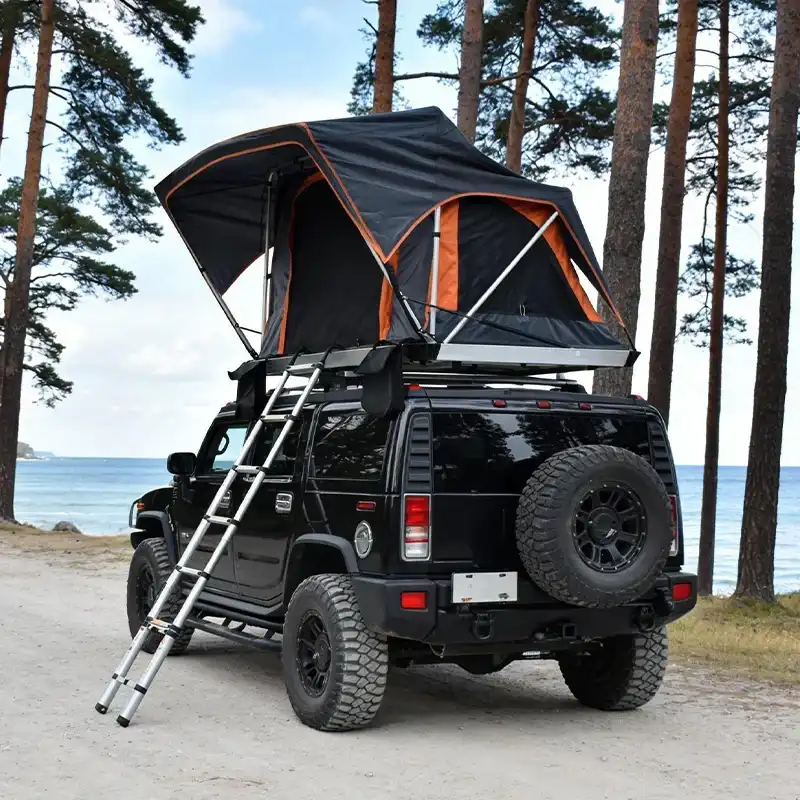
Direct answer: Outdoor retailers should select rooftop tents when their core customers use roof-rack-equipped SUVs, crossovers or pickups and value a vehicle-mounted sleep system that stays off the cargo bed. Truck-bed tents fit channels serving pickup owners who want the bed itself to become the shelter platform and who accept bed-size, tailgate and cargo-use constraints. The decision depends on local vehicle mix, rack or bed compatibility, installation responsibility, cargo access, campsite routine, packed storage, return risk and the staff knowledge required to prevent mismatches. Retailers should build separate intake forms and test production-style samples on representative vehicles. Neither format is universally compatible; every fit, weight, capacity and commercial statement must be tied to the selected model and approved evidence.
How to Compare Rooftop Tent vs Truck Bed Tent for Outdoor Retailers for a B2B Product Line
This guide helps Distributors / Product Managers turn a broad sourcing question into a practical product decision. Compare the target market, sales channel, product family, sample scope, packaging requirements and order plan before using price as the final filter.
SUVTent / EVERLEAD supports rooftop tent and outdoor product sourcing discussions for distributors, retailers and private label brands. A useful inquiry connects product interest with market requirements, estimated quantity and the details that must be checked before approval.
Range Position
Decide which option is the premium anchor, which broadens the assortment and whether both deserve a sample slot.
Operational Risk
Compare setup training, packaging, spare parts, troubleshooting and the questions dealers must answer after the sale.
Sample Evidence
Use side-by-side setup, packing, structure and accessory checks to turn product preference into a documented buying decision.
Practical Buyer Review Notes
Rooftop Tent vs Truck Bed Tent for Outdoor Retailers should be reviewed through the buyer's channel, market, product role, sample needs, packaging expectations and order plan.
| Focus Area | Buyer Review Point |
|---|---|
| Buyer context | Clarify market, channel, product role and expected order path. |
| Product details | Review model structure, materials, packaging, sample questions and support needs. |
| Quote path | Send quantity range, destination, timeline and any branding requirements. |
Practical Review Points
- buyer role
- market fit
- sample plan
- quote details
- packaging needs
- product shortlist
- order timing
- support materials
Market Context and Buyer Language
market covers rooftop vs truck-bed tents, rack systems, vehicle compatibility, budget, driving dynamics. Use this context to ask for the right product family, sample path, packaging information and quote detail.
Dealers should translate broad comparison language such as rooftop tent truck bed tent, rooftop tent comparison, buyer guide into questions that can be checked during sample review.
- Which product structure is easiest for the target customer to understand and use?
- What must sales staff demonstrate before recommending the product?
- Which replacement parts, instructions and troubleshooting steps will the channel need?
- How do packed size, carton protection and handling affect the order plan?
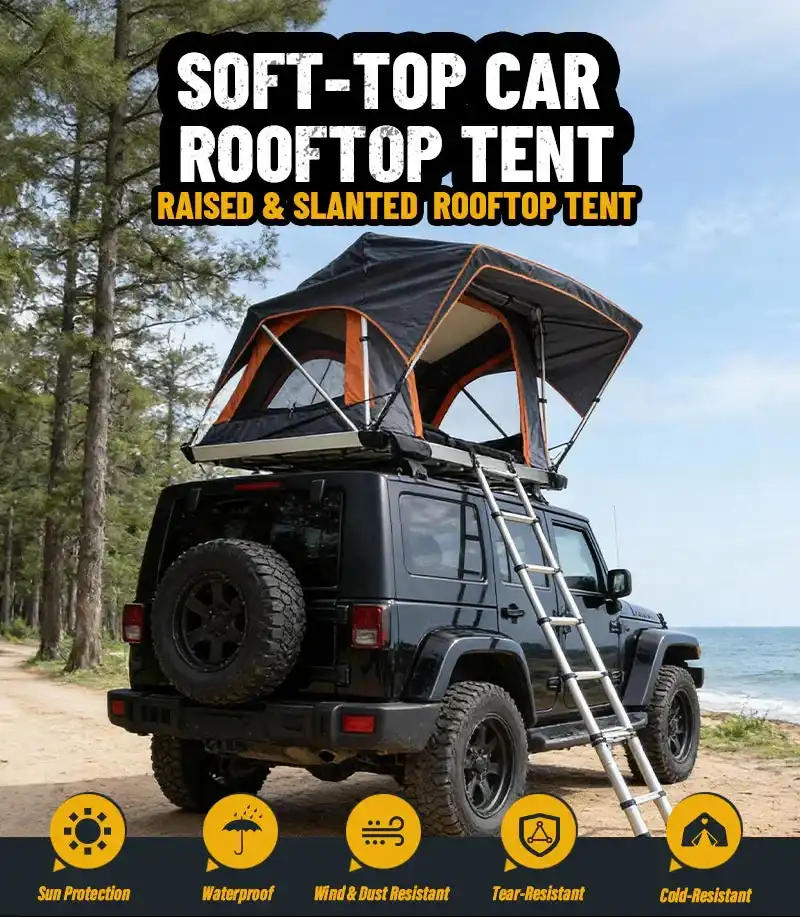
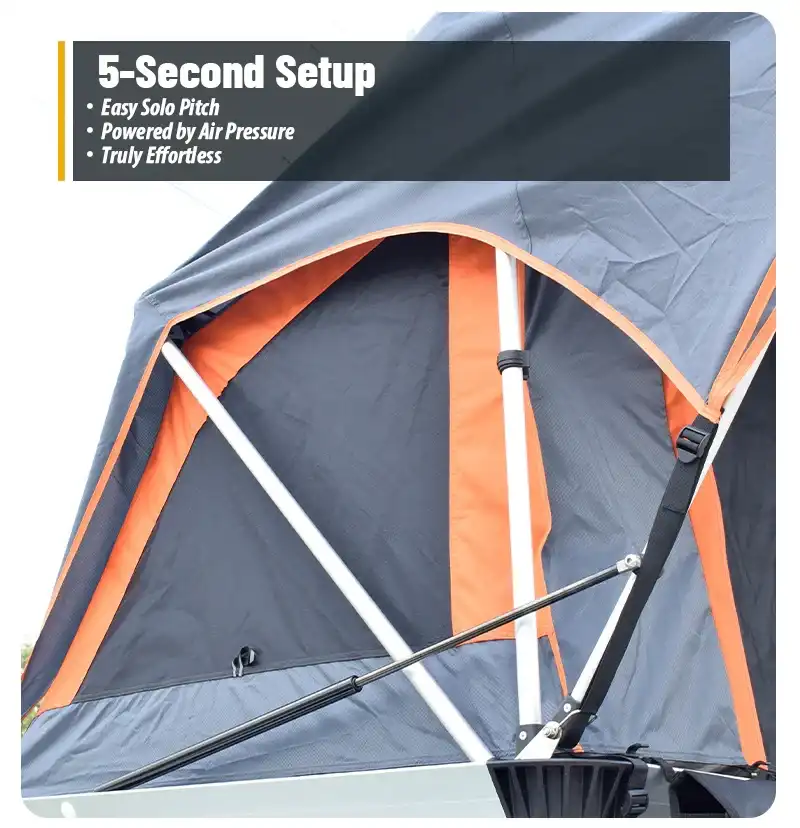

Wholesale, OEM and Sample Planning
Start with the lowest-risk decision that can be verified. Confirm the product direction, prepare a focused sample request, review structure and accessories, then define packaging, labels, manuals, spare parts and shipment assumptions before scaling.
For wholesale, compare available models and channel fit. For private label, add logo position, color direction and packaging artwork. For deeper OEM or ODM work, separate cosmetic changes from structural changes so the sample path and approval responsibility remain clear.
What to include in the first message
- Destination country and sales channel.
- Product family or use case being compared.
- Estimated sample and bulk quantity.
- Branding, packaging, manual and label requirements.
- Questions about fitment, accessories, spare parts or after-sales support.
Decision Controls and Evidence
Choose the shelter system that fits the retailer's vehicle base, installation model, inventory and support capability. The commercial decision should be understandable to purchasing, sales, operations and aftersales teams, because each group sees a different part of the risk. A useful plan therefore connects the customer proposition to measurable product data, an approval path and a follow-up date.
Use the following control table as a working brief, not as generic reading. Replace each assumption with destination-market evidence, identify the file or sample that supports the answer and record who may approve a change. SUVTent / EVERLEAD can then respond to a defined sourcing case instead of guessing from a broad request.
| Decision control | What the buying team should define |
|---|---|
| Vehicle census | count roof-rack configurations and pickup-bed sizes in the retailer's real customer base. |
| Compatibility intake | separate roof and crossbar questions from bed length, width, liner, rail, cover and tailgate questions. |
| Cargo access | map whether the shelter blocks roof accessories, bed cargo, tonneau covers, toolboxes or daily vehicle use. |
| Installation ownership | define who verifies the vehicle, mounts the rooftop system or fits the bed-tent attachment points. |
| Campsite conversion | compare ladder and roof deployment with bed clearing, tailgate position, pole routing and stake requirements. |
| Storage between trips | document whether the product remains vehicle-mounted or must be dried, folded and stored separately. |
| Weather interface | inspect floor separation, bed drainage, rainfly coverage, seals and approved care instructions. |
| Return prevention | photograph compatible and incompatible vehicle features and give staff a rejection path when data is uncertain. |
| Inventory cube | use final cartons and handling methods to compare warehouse and parcel or freight implications. |
| Parts and support | index rooftop mounting hardware separately from truck-bed straps, poles, hooks and fabric attachments. |
| Merchandising role | position the systems by vehicle workflow rather than treating one as a cheaper substitute. |
| Evidence review | approve manuals, fit charts, sample records, pack data and support scripts before launch. |
Working sequence before commercial approval
1. Vehicle census
count roof-rack configurations and pickup-bed sizes in the retailer's real customer base. Put the decision into a shared working record and name the person who can approve it. The record should show the current assumption, the evidence still required, the consequence of a wrong answer and the exact point at which the buyer will review it again. This prevents an early sales conversation from quietly becoming an uncontrolled production, inventory or customer-service commitment.
2. Compatibility intake
separate roof and crossbar questions from bed length, width, liner, rail, cover and tailgate questions. Put the decision into a shared working record and name the person who can approve it. The record should show the current assumption, the evidence still required, the consequence of a wrong answer and the exact point at which the buyer will review it again. This prevents an early sales conversation from quietly becoming an uncontrolled production, inventory or customer-service commitment.
3. Cargo access
map whether the shelter blocks roof accessories, bed cargo, tonneau covers, toolboxes or daily vehicle use. Put the decision into a shared working record and name the person who can approve it. The record should show the current assumption, the evidence still required, the consequence of a wrong answer and the exact point at which the buyer will review it again. This prevents an early sales conversation from quietly becoming an uncontrolled production, inventory or customer-service commitment.
4. Installation ownership
define who verifies the vehicle, mounts the rooftop system or fits the bed-tent attachment points. Put the decision into a shared working record and name the person who can approve it. The record should show the current assumption, the evidence still required, the consequence of a wrong answer and the exact point at which the buyer will review it again. This prevents an early sales conversation from quietly becoming an uncontrolled production, inventory or customer-service commitment.
5. Campsite conversion
compare ladder and roof deployment with bed clearing, tailgate position, pole routing and stake requirements. Put the decision into a shared working record and name the person who can approve it. The record should show the current assumption, the evidence still required, the consequence of a wrong answer and the exact point at which the buyer will review it again. This prevents an early sales conversation from quietly becoming an uncontrolled production, inventory or customer-service commitment.
6. Storage between trips
document whether the product remains vehicle-mounted or must be dried, folded and stored separately. Put the decision into a shared working record and name the person who can approve it. The record should show the current assumption, the evidence still required, the consequence of a wrong answer and the exact point at which the buyer will review it again. This prevents an early sales conversation from quietly becoming an uncontrolled production, inventory or customer-service commitment.
Evidence pack and operating handoff
7. Evidence for weather interface
inspect floor separation, bed drainage, rainfly coverage, seals and approved care instructions. Ask for a document, photograph, approved sample reference, measurement sheet or responsible contact that makes the answer reviewable. Purchasing and channel teams should be able to return to that evidence after staff changes, shipment arrival or a customer claim. If the evidence cannot be named, the point remains an assumption and should not be repeated as a confirmed product promise.
8. Evidence for return prevention
photograph compatible and incompatible vehicle features and give staff a rejection path when data is uncertain. Ask for a document, photograph, approved sample reference, measurement sheet or responsible contact that makes the answer reviewable. Purchasing and channel teams should be able to return to that evidence after staff changes, shipment arrival or a customer claim. If the evidence cannot be named, the point remains an assumption and should not be repeated as a confirmed product promise.
9. Evidence for inventory cube
use final cartons and handling methods to compare warehouse and parcel or freight implications. Ask for a document, photograph, approved sample reference, measurement sheet or responsible contact that makes the answer reviewable. Purchasing and channel teams should be able to return to that evidence after staff changes, shipment arrival or a customer claim. If the evidence cannot be named, the point remains an assumption and should not be repeated as a confirmed product promise.
10. Evidence for parts and support
index rooftop mounting hardware separately from truck-bed straps, poles, hooks and fabric attachments. Ask for a document, photograph, approved sample reference, measurement sheet or responsible contact that makes the answer reviewable. Purchasing and channel teams should be able to return to that evidence after staff changes, shipment arrival or a customer claim. If the evidence cannot be named, the point remains an assumption and should not be repeated as a confirmed product promise.
11. Evidence for merchandising role
position the systems by vehicle workflow rather than treating one as a cheaper substitute. Ask for a document, photograph, approved sample reference, measurement sheet or responsible contact that makes the answer reviewable. Purchasing and channel teams should be able to return to that evidence after staff changes, shipment arrival or a customer claim. If the evidence cannot be named, the point remains an assumption and should not be repeated as a confirmed product promise.
12. Evidence for evidence review
approve manuals, fit charts, sample records, pack data and support scripts before launch. Ask for a document, photograph, approved sample reference, measurement sheet or responsible contact that makes the answer reviewable. Purchasing and channel teams should be able to return to that evidence after staff changes, shipment arrival or a customer claim. If the evidence cannot be named, the point remains an assumption and should not be repeated as a confirmed product promise.
Common failure points to control
A long checklist is valuable only when it changes a decision. Review the risks below during sample approval, quotation confirmation and pre-shipment preparation. Close each item with a named record rather than a verbal assurance.
- Control: Avoid pickup ownership treated as automatic bed-tent fit. Record the preventive check, owner and closure evidence before the related order milestone.
- Control: Avoid roof-rack presence treated as sufficient. Record the preventive check, owner and closure evidence before the related order milestone.
- Control: Avoid tonneau cover conflict omitted. Record the preventive check, owner and closure evidence before the related order milestone.
- Control: Avoid cargo-use trade-off hidden. Record the preventive check, owner and closure evidence before the related order milestone.
- Control: Avoid staff use one compatibility script. Record the preventive check, owner and closure evidence before the related order milestone.
- Control: Avoid final cartons not compared. Record the preventive check, owner and closure evidence before the related order milestone.
- Control: Avoid wet fabric storage ignored. Record the preventive check, owner and closure evidence before the related order milestone.
- Control: Avoid returns coded without vehicle details. Record the preventive check, owner and closure evidence before the related order milestone.
Review rhythm after the first order
After launch or shipment, compare the original assumptions with enquiries, quotations, sell-through, installation feedback, receiving condition, support tickets and reorder timing. Separate product issues from packaging, training, fitment and communication issues. Update the data sheet, sales material, inspection focus and spare-parts plan when evidence changes. This review rhythm makes the next order more accurate and gives both buyer and supplier a clear record of what has been learned.
Worked Example
Illustrative retailer intake: a customer with a pickup is not routed automatically to a truck-bed tent. Staff record bed length, liner, rails, cover, tailgate use, cargo needs and trip routine, then compare that record with roof and rack information. The retailer recommends the format whose approved compatibility evidence and campsite workflow match the customer. Uncertain fit is escalated instead of converted into a sale.
Red Flags and Common Mistakes
Stop approval when evidence does not match the exact model, revision, unit or stated condition. A verbal assurance does not close a red flag; request the named specification, sample record, drawing, test report, packing file or corrective-action record.
Final Actionable Checklist
- Vehicle census: count roof-rack configurations and pickup-bed sizes in the retailer's real customer base.
- Compatibility intake: separate roof and crossbar questions from bed length, width, liner, rail, cover and tailgate questions.
- Cargo access: map whether the shelter blocks roof accessories, bed cargo, tonneau covers, toolboxes or daily vehicle use.
- Installation ownership: define who verifies the vehicle, mounts the rooftop system or fits the bed-tent attachment points.
- Campsite conversion: compare ladder and roof deployment with bed clearing, tailgate position, pole routing and stake requirements.
- Storage between trips: document whether the product remains vehicle-mounted or must be dried, folded and stored separately.
- Weather interface: inspect floor separation, bed drainage, rainfly coverage, seals and approved care instructions.
- Return prevention: photograph compatible and incompatible vehicle features and give staff a rejection path when data is uncertain.
- Inventory cube: use final cartons and handling methods to compare warehouse and parcel or freight implications.
- Parts and support: index rooftop mounting hardware separately from truck-bed straps, poles, hooks and fabric attachments.
- Merchandising role: position the systems by vehicle workflow rather than treating one as a cheaper substitute.
- Evidence review: approve manuals, fit charts, sample records, pack data and support scripts before launch.
Sources and Methodology
This guide uses the approved SUVTent project knowledge base and the primary project records listed below. Numerical and performance statements remain unconfirmed unless the exact model, unit, source version and applicable condition are shown. Illustrative examples are decision methods, not specifications or commercial promises.
- Approved rooftop-tent mounting instructions
- Approved truck-bed-tent fit and attachment guide
- Representative vehicle sample-fit record
FAQ
Is a truck-bed tent suitable for every pickup?
No. Bed dimensions, rails, liners, covers, toolboxes and attachment geometry vary.
Can a pickup use a rooftop tent?
Potentially, with an approved rack and verified vehicle-side conditions; the exact system must be checked.
Which format preserves cargo access?
That depends on mounting and campsite use. Map the actual bed, roof and accessory configuration.
What data reduces returns?
Use vehicle details, interface dimensions, approved fit information, photographs and a staff escalation process.