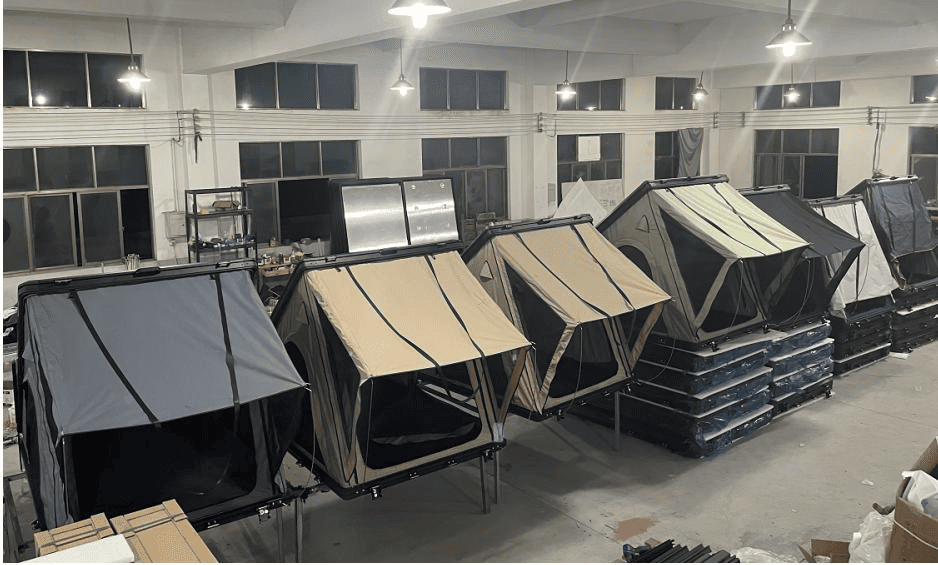
Roof top tent wholesale: 7 Best B2B Checks for 2026: B2B Sourcing Snapshot
- Primary keyword: Roof top tent wholesale
- Buyer segment: Wholesalers and distributors
- Search intent: Find bulk rooftop tent suppliers
- Best next step: compare product structure, MOQ, packing details, factory capability, certificates, and shipping plan before placing a trial order.
Roof top tent wholesale Buyer Checklist
Use this Roof top tent wholesale checklist to compare suppliers with the same criteria before requesting samples or bulk pricing.
- Confirm product structure, open size, closed height, packed weight, and B2B vehicle and rack fitment requirements.
- Ask for MOQ, private label options, lead time, sample policy, and packaging artwork requirements.
- Review waterproof rating, fabric weight, shell material, gas struts, hardware, and spare parts support.
- Request FCL/LCL loading information, carton dimensions, DDP discussion points, and destination-market documents.
For those seeking roof top tent wholesale opportunities, finding reliable suppliers is key to ensuring quality and pricing for your business needs. Whether you are a wholesaler, distributor, or retailer, understanding the specifics of bulk orders can help streamline your operations and enhance your product offerings.
Understanding Roof Top Tent Wholesale Opportunities
As the demand for outdoor recreation increases, the rooftop tent industry is experiencing rapid growth. Buyers such as OEM/ODM brands, distributors, 4×4 shops, retailers, and rental fleets are looking for reliable roof top tent wholesale suppliers to meet their customers’ needs. In this article, we’ll explore important factors to consider when sourcing rooftop tents in bulk, including specifications, supplier evaluation, and market trends for 2026.
Key Specifications to Evaluate
When considering a roof top tent wholesale supplier, it’s crucial to evaluate several key specifications:
- Minimum Order Quantity (MOQ): Determine the minimum units you must purchase to make a bulk order.
- Private Label Options: Assess if the supplier offers branding opportunities for your business.
- Shipping Options: Understand if the supplier provides Full Container Load (FCL) or Less than Container Load (LCL) shipping, and if they offer Delivered Duty Paid (DDP) options.
- Dynamic Roof Load & Static Capacity: Check the load ratings to ensure they meet safety standards and customer expectations.
- Setup Time: Evaluate how long it takes to set up the tent, as this can impact user experience.
- PU Waterproof Rating: Ensure the tents have adequate waterproof ratings for different weather conditions.
- Fabric Weight: Heavier fabrics may offer better durability, while lighter fabrics are easier to handle.
- Gas Struts: Consider the quality of gas struts used for opening and closing the tents.
- After-Sales Risk: Understand the warranty and support options available post-purchase.
Product Features and Trends for 2026
The market is evolving with trends that cater to modern consumer needs. Some features to consider for your rooftop tent offerings include:
- Lightweight SUV/EV Compatibility: Many consumers are looking for tents compatible with electric vehicles.
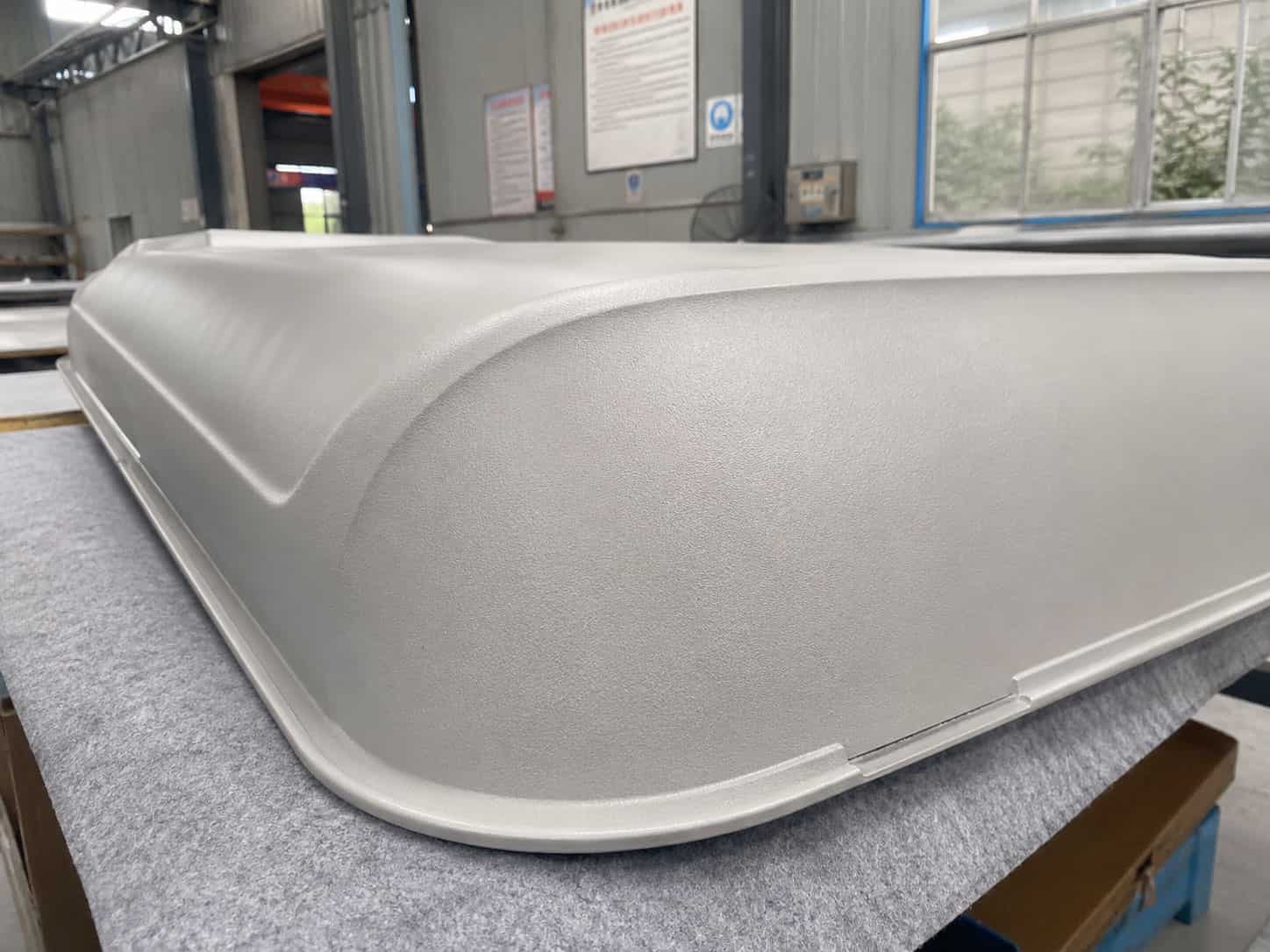
- Aluminum Hard Shells: These provide durability and ease of use.
- T-Slot Channels: Allow for customization and add-ons.
- Solar-Ready Setup: Increasingly, buyers are interested in tents that can accommodate solar panels.
- Annex Rooms: Offer additional space for changing or storage.
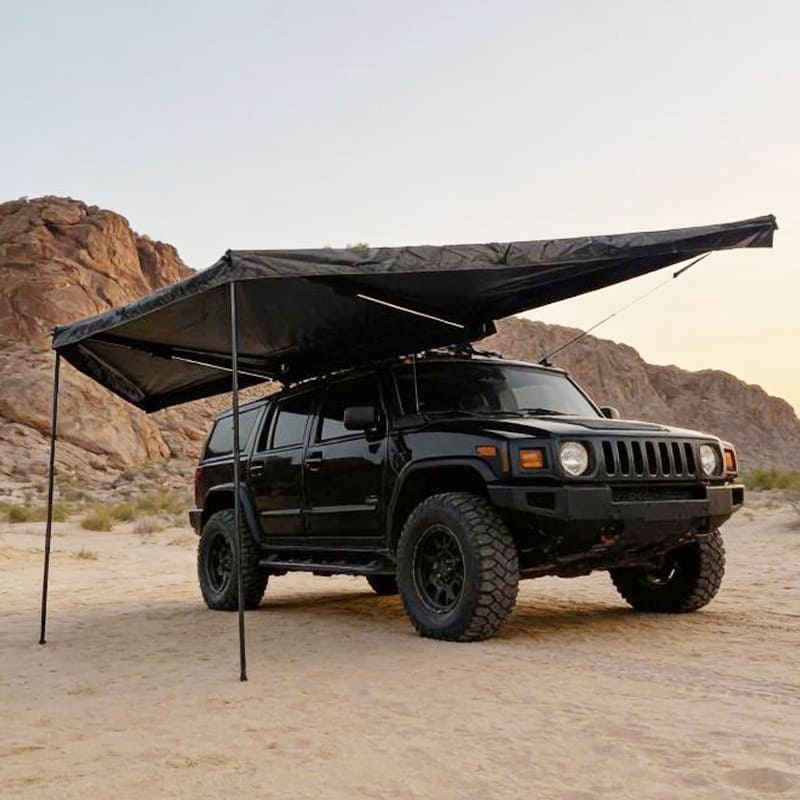
- 270 Degree Awnings: These provide extended coverage and shade.
Comparative Analysis of Roof Top Tents
| Feature | Standard Model | Premium Model |
|---|---|---|
| Setup Time | 5 minutes | 3 minutes |
| PU Waterproof Rating | 2000mm | 3000mm |
| Weight | 60 kg | 50 kg |
| Dynamic Roof Load | 300 kg | 400 kg |
| Static Capacity | 600 kg | 800 kg |
Supplier Evaluation Criteria
When selecting a rooftop tent manufacturer, consider the following evaluation criteria:
| Criteria | Points to Consider |
|---|---|
| Experience | Years in business, market reputation, and client testimonials. |
| Certifications | Verify compliance with international safety and quality standards. |
| Communication | Responsiveness, clarity in discussions, and support availability. |
| Production Capacity | Ability to meet your demand and flexibility in scaling orders. |
| Sample Availability | Possibility to request samples before placing bulk orders. |
Verifying Certifications and Standards
As a buyer, it’s essential to verify that the rooftop tents meet industry standards. Always ask suppliers for documentation related to safety certifications, material quality, and performance tests. This helps mitigate risks associated with after-sales issues and ensures that you are offering reliable products to your customers.
FAQ
Below are some frequently asked questions regarding roof top tent wholesale:
1. What is the typical MOQ for rooftop tents?
The Minimum Order Quantity (MOQ) varies by supplier but generally ranges from 50 to 200 units.
2. Can I get my brand logo on the tents?
Many suppliers offer private label options where you can have your brand logo printed on the tents.
3. What are the shipping options available for bulk orders?
Shipping options include Full Container Load (FCL) and Less than Container Load (LCL), with some suppliers offering Delivered Duty Paid (DDP) services.
4. How can I ensure the quality of the tents I purchase?
Request samples from potential suppliers and verify their compliance with industry standards and certifications before placing a bulk order.
Buyer Checklist for Roof Top Tents
When contacting suppliers for roof top tent wholesale, use the following checklist to ensure you cover all critical aspects:
- Confirm MOQ and pricing structures.
- Discuss private label branding options.
- Evaluate shipping methods (FCL/LCL, DDP).
- Inquire about dynamic roof load and static capacity ratings.
- Assess setup time and ease of use.
- Check PU waterproof ratings and fabric weight.
- Ensure quality of gas struts and components.
- Understand after-sales support and warranty terms.
Conclusion
As a B2B buyer in the rooftop tent industry, finding a reliable roof top tent wholesale supplier is essential for your business. By understanding key specifications, evaluating potential suppliers, and keeping an eye on market trends, you can make informed decisions that will benefit your customers and your bottom line. Don’t hesitate to reach out to suvtent.com for detailed specifications, MOQ, packaging, and shipping information to ensure you are well-equipped to meet the growing demand for rooftop tents.
Visual Reference for B2B Buyers
Factory Strength for Bulk Rooftop Tent Buyers
For B2B buyers, supplier evaluation should go beyond product photos. A reliable rooftop tent partner should be able to discuss sampling, private label packaging, production scheduling, inspection standards, and export loading plans before mass production starts.
- OEM/ODM support: confirm logo placement, color options, shell structure, accessory bundles, and packaging requirements.
- Production control: ask for material checks, sewing or assembly process photos, and pre-shipment inspection details.
- Export readiness: request carton dimensions, loading estimates for FCL/LCL shipments, and DDP discussion where available.
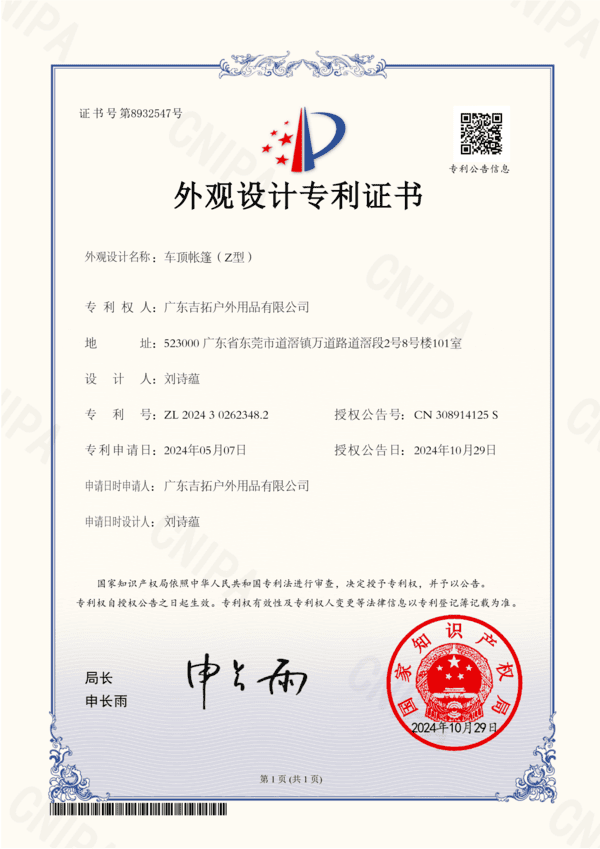
Certificate and Compliance Review
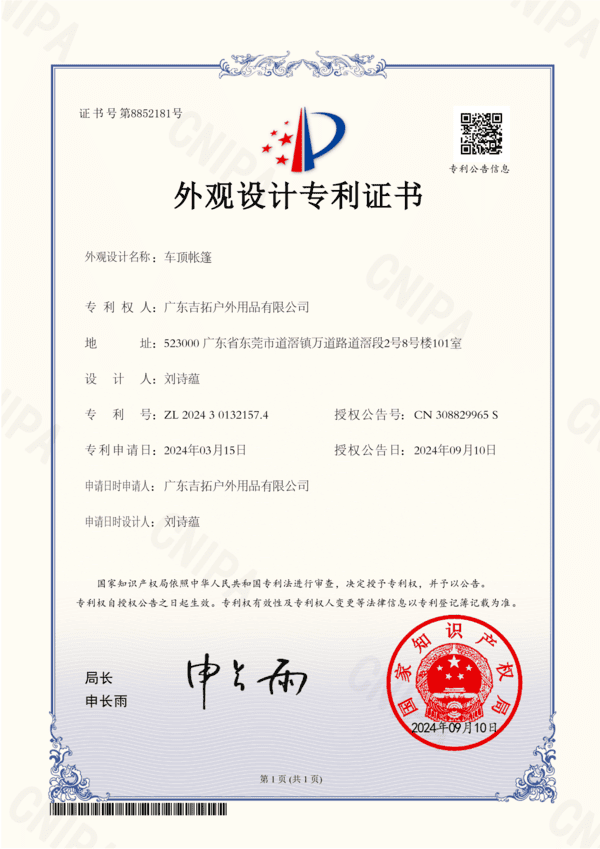
Certificates help overseas buyers reduce sourcing risk, but every claim should be checked against the latest document scope, issuing body, product category, and validity date before ordering.
| Document Type | What Buyers Should Confirm | Why It Matters |
|---|---|---|
| Quality system | Factory name, scope, validity period | Supports long-term supply evaluation |
| Material or compliance report | Test standard, product coverage, date | Reduces after-sales and market access risk |
| Patent or design document | Owner, territory, design scope | Helps private label buyers review differentiation |
Useful Buyer References
Before finalizing a Roof top tent wholesale order, buyers should verify supplier claims, compliance documents, and the crawlability of important sourcing pages.
Request OEM/Wholesale Details
Send your target model, estimated order quantity, destination market, and packaging requirements. The team can reply with specifications, MOQ, and shipping discussion points.