Buyer Guide for B2B buyers
How to Train Retail Staff to Explain Rooftop Tents
Explore how to train retail staff to explain rooftop tents for Importers / Distributors. Get product options, sourcing notes, OEM/ODM support, and request
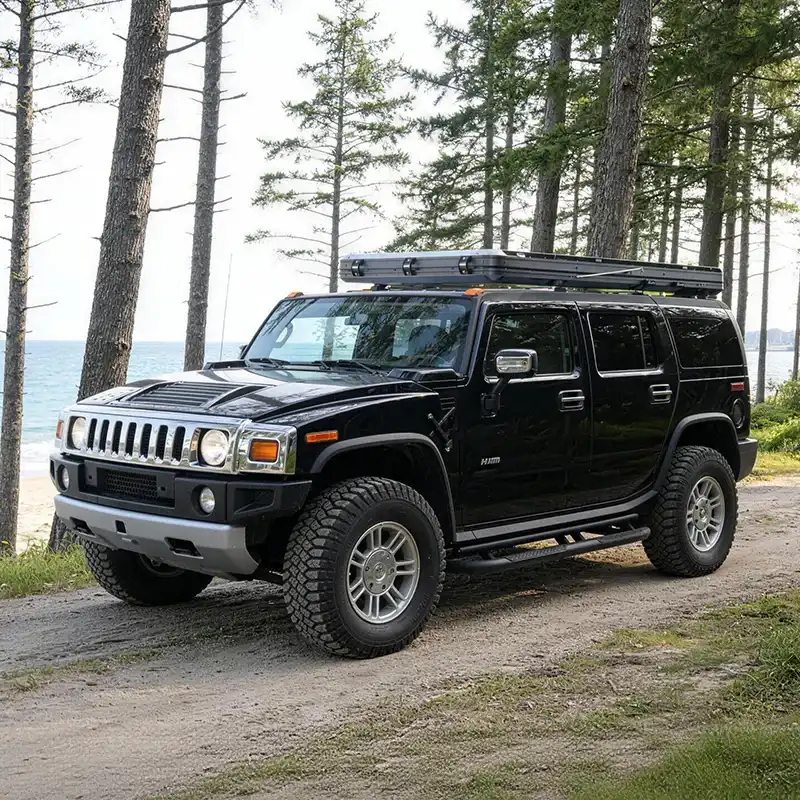
Direct answer: How to Train Retail Staff to Explain Rooftop Tents should be reviewed as a commercial decision, not as a generic content question. Importers / Distributors should confirm the exact product scope, destination-market needs, sample evidence, packaging or document control, and the operating cost or sales implication before approving a quote or launch step. How to Train Retail Staff to Explain Rooftop Tents should be reviewed through the buyer's channel, market, product role, sample needs, packaging expectations and order plan. Focus first on Clarify market, channel, product role and expected order path., then confirm Review model structure, materials, packaging, sample questions and support needs. so the supplier response can move from broad advice to a usable sourcing plan.
A Practical B2B Decision Guide
This guide helps Importers / Distributors turn a broad sourcing question into a practical product decision. Compare the target market, sales channel, product family, sample scope, packaging requirements and order plan before using price as the final filter.
SUVTent / EVERLEAD supports rooftop tent and outdoor product sourcing discussions for distributors, retailers and private label brands. A useful inquiry connects product interest with market requirements, estimated quantity and the details that must be checked before approval.
Buyer Fit
Clarify buyer role, sales channel, target market and the product problem this page should solve.
Program Scope
Confirm product family, sample path, branding or packaging needs, MOQ discussion and quote information.
Next Step
Prepare the details needed for a practical supplier reply instead of asking only for a generic price.
Practical Buyer Review Notes
How to Train Retail Staff to Explain Rooftop Tents should be reviewed through the buyer's channel, market, product role, sample needs, packaging expectations and order plan.
| Focus Area | Buyer Review Point |
|---|---|
| Buyer context | Clarify market, channel, product role and expected order path. |
| Product details | Review model structure, materials, packaging, sample questions and support needs. |
| Quote path | Send quantity range, destination, timeline and any branding requirements. |
Practical Review Points
- buyer role
- market fit
- sample plan
- quote details
- packaging needs
- product shortlist
- order timing
- support materials
Market Context and Buyer Language
Buyer comparisons often focus on China rooftop tent manufacturer, ISO 9001, hardshell/soft top, car awnings, OEM/ODM. Use this context to ask for the right product family, sample path, packaging information and quote detail.
Dealers should translate broad comparison language such as rooftop tent manufacturer, wholesale rooftop tents, B2B sourcing into questions that can be checked during sample review.
- Which product structure is easiest for the target customer to understand and use?
- What must sales staff demonstrate before recommending the product?
- Which replacement parts, instructions and troubleshooting steps will the channel need?
- How do packed size, carton protection and handling affect the order plan?
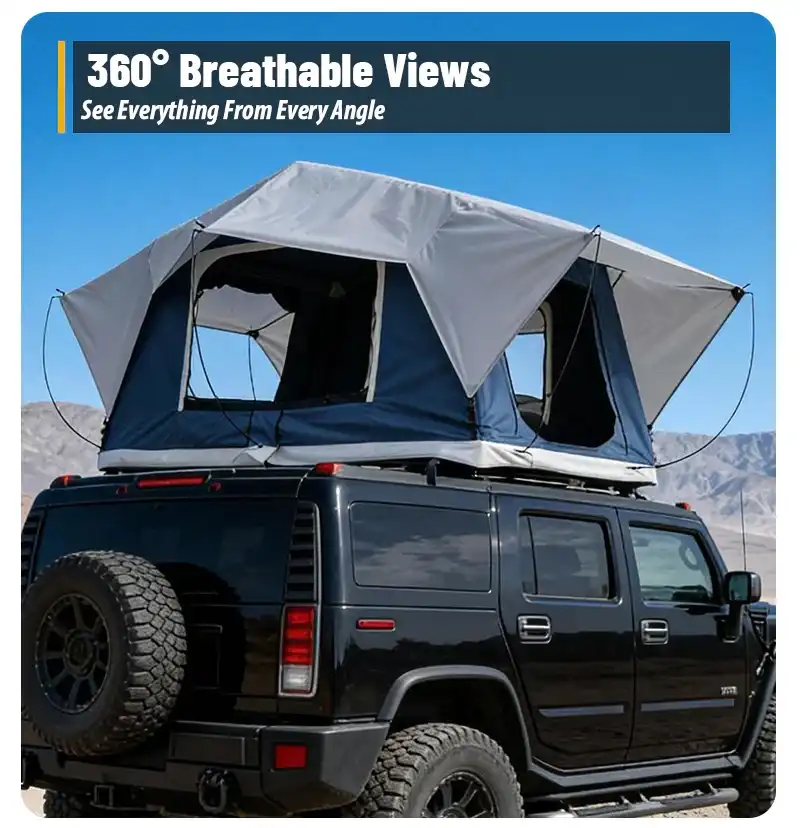
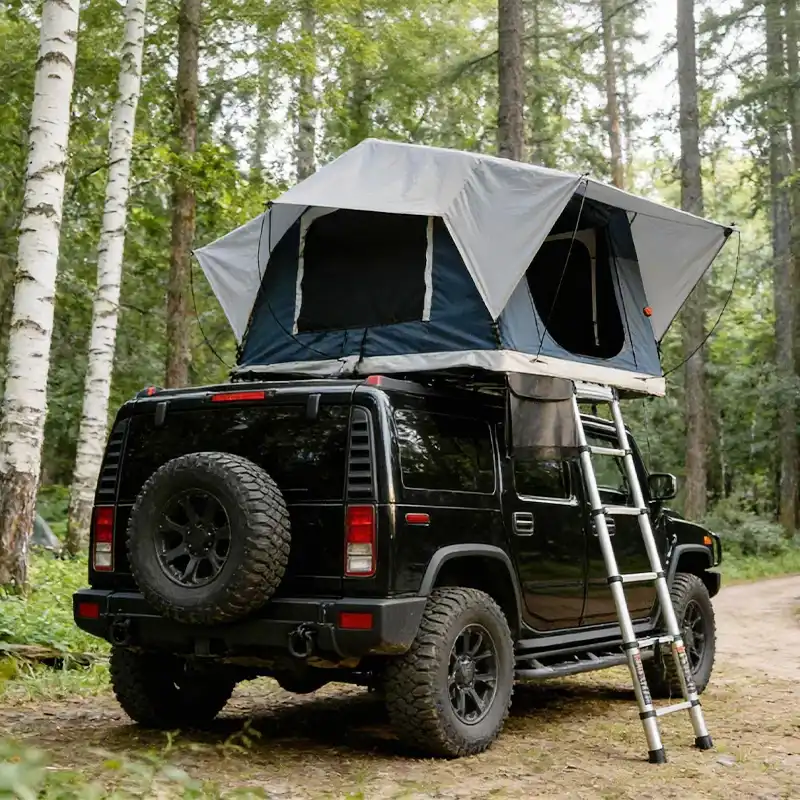
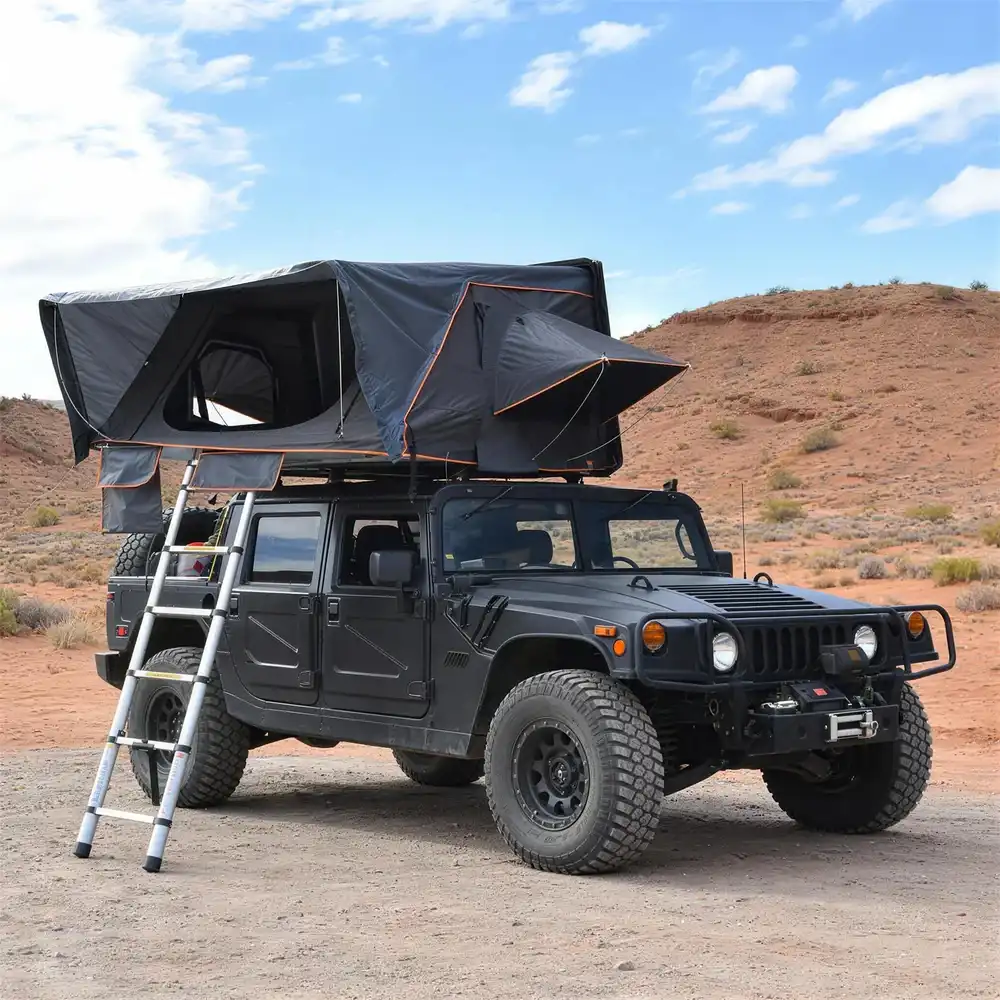
Wholesale, OEM and Sample Planning
Start with the lowest-risk decision that can be verified. Confirm the product direction, prepare a focused sample request, review structure and accessories, then define packaging, labels, manuals, spare parts and shipment assumptions before scaling.
For wholesale, compare available models and channel fit. For private label, add logo position, color direction and packaging artwork. For deeper OEM or ODM work, separate cosmetic changes from structural changes so the sample path and approval responsibility remain clear.
What to include in the first message
- Destination country and sales channel.
- Product family or use case being compared.
- Estimated sample and bulk quantity.
- Branding, packaging, manual and label requirements.
- Questions about fitment, accessories, spare parts or after-sales support.
Turn Product Knowledge Into a Repeatable Floor Conversation
Training works better when staff have a repeatable store-floor conversation rather than a pile of facts. Prepare a short opening script, a qualifying-question list, one comparison card for each model family and a clear escalation rule for fitment or load-limit questions. Then rehearse the flow in role-play: greeting, need discovery, model comparison, vehicle caution, demo and next step. This focus on staff behavior and training assets is intentionally different from a customer-segment article because it measures internal explanation quality rather than channel targeting.
Audit the Demo Routine Like a Service Process
A rooftop tent demo should be trained like a service process, not improvised as a sales performance. Record which staff member opens the tent, where the ladder is placed, what safety cautions are spoken, how closing is explained and which objections must always be answered before quoting. Review mystery-shop notes, repeated customer confusion and escalation misses after launch. These training controls distinguish this topic from an overland-customer sales page, which is about buyer language and product fit rather than staff coaching systems.
Decision Controls and Evidence
Train retail staff to explain rooftop tents in a way that improves recommendation quality, reduces objection confusion and protects the brand from inaccurate promises. The commercial decision should be understandable to purchasing, sales, operations and aftersales teams, because each group sees a different part of the risk. A useful plan therefore connects the customer proposition to measurable product data, an approval path and a follow-up date.
Use the following control table as a working brief, not as generic reading. Replace each assumption with destination-market evidence, identify the file or sample that supports the answer and record who may approve a change. SUVTent / EVERLEAD can then respond to a defined sourcing case instead of guessing from a broad request.
| Decision control | What the buying team should define |
|---|---|
| Core script | define the short explanation of what a rooftop tent is, who it suits and which product differences matter first in the store. |
| Question flow | train staff to ask about vehicle, traveler count, setup preference, storage limits, budget and use climate before showing models. |
| Range separation | make sure staff can explain why each model exists and when not to recommend it rather than defaulting to price or appearance. |
| Fitment caution | give a clear escalation path for roof-load, rack-spacing and installation questions that should not be answered casually on the floor. |
| Hands-on demo | train opening, closing, ladder use, bedding discussion and packed-height explanation so the product story is practical, not abstract. |
| Objection library | prepare standard answers for weight, weather, garage height, setup effort, warranty, spare parts and delivery timing. |
| Media support | provide comparison sheets, quick-reference cards, installed photos and short videos that mirror the approved sales script. |
| Review loop | collect missed questions, inaccurate claims and conversion blockers from staff conversations and feed them back into training updates. |
Working sequence before commercial approval
1. Core script
define the short explanation of what a rooftop tent is, who it suits and which product differences matter first in the store. Put the decision into a shared working record and name the person who can approve it. The record should show the current assumption, the evidence still required, the consequence of a wrong answer and the exact point at which the buyer will review it again. This prevents an early sales conversation from quietly becoming an uncontrolled production, inventory or customer-service commitment.
2. Question flow
train staff to ask about vehicle, traveler count, setup preference, storage limits, budget and use climate before showing models. Put the decision into a shared working record and name the person who can approve it. The record should show the current assumption, the evidence still required, the consequence of a wrong answer and the exact point at which the buyer will review it again. This prevents an early sales conversation from quietly becoming an uncontrolled production, inventory or customer-service commitment.
3. Range separation
make sure staff can explain why each model exists and when not to recommend it rather than defaulting to price or appearance. Put the decision into a shared working record and name the person who can approve it. The record should show the current assumption, the evidence still required, the consequence of a wrong answer and the exact point at which the buyer will review it again. This prevents an early sales conversation from quietly becoming an uncontrolled production, inventory or customer-service commitment.
4. Fitment caution
give a clear escalation path for roof-load, rack-spacing and installation questions that should not be answered casually on the floor. Put the decision into a shared working record and name the person who can approve it. The record should show the current assumption, the evidence still required, the consequence of a wrong answer and the exact point at which the buyer will review it again. This prevents an early sales conversation from quietly becoming an uncontrolled production, inventory or customer-service commitment.
5. Hands-on demo
train opening, closing, ladder use, bedding discussion and packed-height explanation so the product story is practical, not abstract. Put the decision into a shared working record and name the person who can approve it. The record should show the current assumption, the evidence still required, the consequence of a wrong answer and the exact point at which the buyer will review it again. This prevents an early sales conversation from quietly becoming an uncontrolled production, inventory or customer-service commitment.
6. Objection library
prepare standard answers for weight, weather, garage height, setup effort, warranty, spare parts and delivery timing. Put the decision into a shared working record and name the person who can approve it. The record should show the current assumption, the evidence still required, the consequence of a wrong answer and the exact point at which the buyer will review it again. This prevents an early sales conversation from quietly becoming an uncontrolled production, inventory or customer-service commitment.
Evidence pack and operating handoff
7. Evidence for media support
provide comparison sheets, quick-reference cards, installed photos and short videos that mirror the approved sales script. Ask for a document, photograph, approved sample reference, measurement sheet or responsible contact that makes the answer reviewable. Purchasing and channel teams should be able to return to that evidence after staff changes, shipment arrival or a customer claim. If the evidence cannot be named, the point remains an assumption and should not be repeated as a confirmed product promise.
8. Evidence for review loop
collect missed questions, inaccurate claims and conversion blockers from staff conversations and feed them back into training updates. Ask for a document, photograph, approved sample reference, measurement sheet or responsible contact that makes the answer reviewable. Purchasing and channel teams should be able to return to that evidence after staff changes, shipment arrival or a customer claim. If the evidence cannot be named, the point remains an assumption and should not be repeated as a confirmed product promise.
Common failure points to control
A long checklist is valuable only when it changes a decision. Review the risks below during sample approval, quotation confirmation and pre-shipment preparation. Close each item with a named record rather than a verbal assurance.
- Control: Avoid staff selling by appearance instead of use case. Record the preventive check, owner and closure evidence before the related order milestone.
- Control: Avoid vehicle-fit questions answered without escalation control. Record the preventive check, owner and closure evidence before the related order milestone.
- Control: Avoid too many models described with the same language. Record the preventive check, owner and closure evidence before the related order milestone.
- Control: Avoid demo routine not matching the actual product behavior. Record the preventive check, owner and closure evidence before the related order milestone.
- Control: Avoid objections answered differently by each salesperson. Record the preventive check, owner and closure evidence before the related order milestone.
- Control: Avoid training left unchanged after repeated customer confusion. Record the preventive check, owner and closure evidence before the related order milestone.
Review rhythm after the first order
After launch or shipment, compare the original assumptions with enquiries, quotations, sell-through, installation feedback, receiving condition, support tickets and reorder timing. Separate product issues from packaging, training, fitment and communication issues. Update the data sheet, sales material, inspection focus and spare-parts plan when evidence changes. This review rhythm makes the next order more accurate and gives both buyer and supplier a clear record of what has been learned.
Worked Example
Illustrative example: Build a model-specific comparison using the approved sample, final packing data and current quotation. Record every assumption and confirm it before commercial approval.
Red Flags and Common Mistakes
Stop approval when evidence does not match the exact model, revision, unit or stated condition. A verbal assurance does not close a red flag; request the named specification, sample record, drawing, test report, packing file or corrective-action record.
Final Actionable Checklist
- Confirm the exact model, sample, packing revision, responsible owner and current commercial terms.
Sources and Methodology
This guide uses the approved SUVTent project knowledge base and the primary project records listed below. Numerical and performance statements remain unconfirmed unless the exact model, unit, source version and applicable condition are shown. Illustrative examples are decision methods, not specifications or commercial promises.
- Approved model-specific product data sheet
- Production-style sample review record
- Current packing and commercial documents
FAQ
What should buyers send first?
Send market, product interest, quantity range, destination and sample or branding questions.
What information should I send for a useful quote?
Send your buyer role, destination market, product interest, estimated quantity, sample questions, packaging needs and any OEM or private label requirements.
Can SUVTent support sample review before a bulk order?
Yes. SUVTent can discuss model selection, sample review, packaging notes and practical order details according to the selected product and destination market.