Technical review product page
GWH-3 Portable Gas Water Heater
GWH-3 should be reviewed as a GWH-3 channel-specific portable hot-water model centered on GWH-3 configuration traceability, approved inlet-and-outlet conditions and the exact sample checks needed before launch.
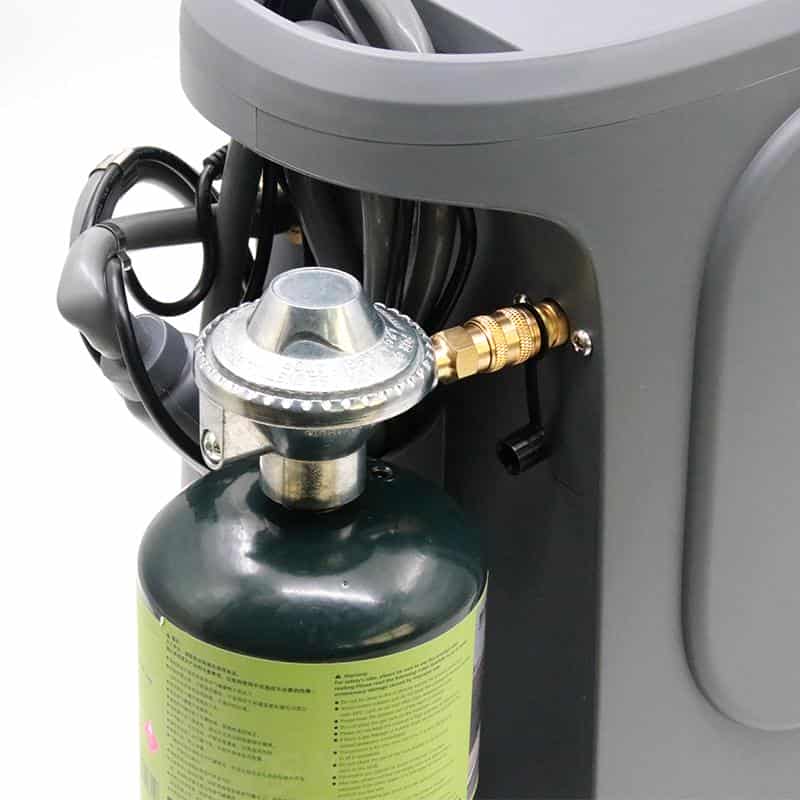
Quick answer: GWH-3 is not just another hard shell listing. Buyers should compare GWH-3 configuration traceability, approved inlet-and-outlet conditions and shutdown-and-storage evidence before they decide whether this SKU deserves space in the range.
Last reviewed: 2026-07-18. Review this product page when the model positioning, sample evidence, packaging routine or dealer message changes.
GWH-3 Buyer Review Table
GWH-3 Portable Gas Water Heater should be reviewed as a named SKU for B2B Buyers, with clear discussion around positioning, samples, dealer questions and quote scope.
| Review Area | Buyer Review Point |
|---|---|
| Technical angle | Use GWH-3 configuration traceability to explain why GWH-3 should not be treated as a generic rooftop tent SKU. |
| Sample check | Ask for a sample review that clarifies approved inlet-and-outlet conditions and the buyer-facing meaning of the feature. |
| Commercial note | Document shutdown-and-storage evidence in quote sheets, care guidance or dealer training before rollout. |
Focus Points for This Model
- GWH-3 configuration traceability
- approved inlet-and-outlet conditions
- shutdown-and-storage evidence
- outdoor hot water heater
- camp shower heater
- overland water heater
- compact portable gas water heater
- B2B Buyers
- sample review path
- dealer comparison note
- carton check
- launch timing
- target market fit
- quote scope
GWH-3 Technical Review Focus
The useful buying discussion starts with GWH-3 configuration traceability, approved inlet-and-outlet conditions and shutdown-and-storage evidence. Those points create a more defensible page than generic shell wording and help the buyer ask sharper sample questions.
Sample Validation Questions
Before launch, the sample should prove how GWH-3 configuration traceability is shown, what approved inlet-and-outlet conditions actually means in dealer language, and whether shutdown-and-storage evidence needs extra explanation in manuals or sales sheets.
Quote Preparation Notes
Quote requests should reference GWH-3 configuration traceability, product positioning, target market and any packaging or care issues tied to shutdown-and-storage evidence. That keeps the model page tied to real buying work.
GWH-3 Commercial Vocabulary
Buyers, distributors and dealer teams should keep the vocabulary for this GWH-3 channel-specific portable hot-water model consistent across sample review, quote sheets and launch materials.
- GWH-3 configuration traceability
- approved inlet-and-outlet conditions
- shutdown-and-storage evidence
- compact camp-hygiene bundle
- destination-specific appliance review
- service-desk diagnostic workflow
- rating-plate cross-reference
- connection-kit completeness
- post-use purge procedure
GWH-3 Dealer Lexicon
These terms help buyers and dealer teams discuss the model with more precision during assortment review, showroom planning and stock conversations.
- GWH-3 controlled configuration
- rating-plate photograph
- regulator evidence pack
- water-source boundary
- ignition-control check
- outdoor ventilation rule
- connection-kit tally
- shutdown purge
- freeze-protection note
- destination label review
- gas-component batch
- service-intake photograph
GWH-3 Buyer Briefing
GWH-3 needs its own controlled product record even if it looks similar to another heater. The buyer should compare its rating label, approved fuel train, regulator, water conditions, ignition controls, clearances, operating environment, included connection kit, carton, manual and replacement components against the exact quotation. The model code cannot be used to infer output, size, certification or market suitability. A useful launch pack separates installation and safety instructions from promotional copy and gives the support team a GWH-3-specific evidence checklist.
Destination Documentation Dossier
Treat the GWH-3 file set as an importer-controlled dossier. Create a document register for the rating plate, fuel nomenclature, regulator reference, connection drawing, warning hierarchy, pictograms, manual language, carton marks, declaration or test evidence where applicable, and the person authorized to approve each revision. Record the destination jurisdiction and sales channel beside every file. A translated paragraph is not approved merely because the English source was approved: technical warnings, units, component names and emergency instructions require a controlled review. This document-led workflow distinguishes GWH-3 from a catalogue-level heater comparison and prevents an old label or manual from following a newer appliance configuration into customs, retail or service channels.
Serial, Batch and Component Traceability
Build a traceability matrix that links the finished-unit identifier to production batch, gas-valve generation, ignition-control reference, hose or fitting set, regulator scope, label revision, manual revision and carton revision. The importer should be able to start with a customer photograph and identify the correct exploded view and service component without guessing. Define how a replacement part is packaged, marked and matched when a component is superseded. Quarantine any sample, spare or finished unit whose identifiers cannot be reconciled. This approach turns GWH-3 into a controlled appliance program rather than a visually similar sequel to GWH-2 and creates a practical audit trail for claims, field corrections and repeat orders.
Localized Dealer Certification Brief
Prepare a dealer authorization brief covering where the product may be demonstrated, which connections staff may assemble, which checks occur before ignition, which conditions require shutdown and which questions must be escalated. The brief should include a short competency observation, a prohibited-actions page, emergency contacts, customer handover acknowledgment and a renewal trigger when manuals or components change. Do not call this a legal certification unless the destination requirements support that term; it is an internal channel-control method. The important distinction is that GWH-3 distribution depends on documented knowledge transfer, not only a product sample and price list.
Import Release and Field-Correction Workflow
Before shipment release, reconcile purchase order, appliance code, label artwork, language pack, connection kit, accessories, spare allocation and final packing list. Define the evidence needed if an importer discovers a label, manual or component mismatch at receiving. A field-correction plan should identify affected serials, quarantine instructions, replacement materials, dealer communication, customer contact, closure evidence and the authority to restart sales. This workflow is illustrative and must be adapted to applicable destination rules. It gives the GWH-3 page a compliance-and-traceability decision purpose that is separate from GWH-2 operating and outdoor-shower merchandising.
Translation Memory and Warning-Term Glossary
Maintain a translation memory for component nouns, hazard verbs, prohibition phrases, measurement units, signal words and emergency actions used in GWH-3 material. A bilingual glossary should identify the approved source expression, destination rendering, context, reviewer and revision. Lock line breaks and symbols where label space affects comprehension. When artwork changes, compare the full warning panel rather than the changed sentence alone. Archive rejected translations with reasons so they are not reintroduced by another designer. This linguistic-control process is especially important for distributor networks that create local leaflets, online listings or technician notes from the factory manual.
Customs and Warehouse Identity Reconciliation
Before arrival, reconcile commercial invoice description, packing-list model, carton side mark, barcode, pallet label and unit rating plate. Warehouse receiving should scan or photograph each identity layer on a defined sample and hold discrepancies in a named quarantine zone. A carton that says GWH-3 cannot validate the appliance inside if the rating plate, connection kit or manual belongs to another revision. Record over-labeling, damaged marks and mixed cartons as traceability events. The importer then decides whether relabeling, document correction, segregation or supplier investigation is required before inventory becomes saleable.
Controlled Demonstration Kit Register
Create a separate asset record for every GWH-3 demonstration kit. List appliance serial or batch, regulator and hose references, water fittings, shower head, power cells or ignition supplies where applicable, tools, warning card, extinguisher or site controls required by the approved procedure, and the staff custodian. Log checkout, inspection, demonstration location, return condition and missing pieces. Demonstration components must not migrate into customer cartons or another heater model. Retire a kit when a component or instruction revision makes the training setup unrepresentative of current saleable stock.
Distributor Recall-Readiness Exercise
Run a desk exercise using an illustrative component correction. The team should identify affected GWH-3 batches, warehouse stock, shipped dealers, demonstration units and spare kits from the traceability records. Draft a hold notice, dealer acknowledgment, customer-contact decision, replacement instruction and closure report without claiming a real recall exists. The exercise tests whether sales, logistics and service data can locate product quickly and whether translated instructions remain consistent. Gaps become corrective actions with owners and deadlines before launch. This readiness discipline is a procurement-control feature, not a statement about product failure.
GWH-3 Buyer Scenario Matrix
| Scenario | How Buyers Should Use This Page |
|---|---|
| Compact campsite hygiene kit | Review whether the approved GWH-3 configuration, water source, hoses and storage method can form a clearly documented bundle for the selected channel. |
| Regional appliance importer | Match destination language, labels, gas components, documentation and active commercial policy before accepting the model for review. |
| Dealer service counter | Build a GWH-3 intake that identifies rating plate, connection set, water source, operating sequence and symptoms before any technical response. |
GWH-3 Separation Matrix
| Comparison | How Buyers Should Keep The Story Distinct |
|---|---|
| Against GWH-2 | Use a field-by-field approved comparison and never treat GWH-3 as a larger, newer or higher-output model without evidence. |
| Against integrated vehicle systems | Clarify portable operating boundaries, water supply, gas setup and storage instead of implying permanent installation suitability. |
| Against market-generic heaters | Keep labels, regulator, manual, fittings and support parts destination- and model-specific. |
GWH-3 Operations Matrix
| Operations Cue | Why Buyers Track It |
|---|---|
| Document release | Approve GWH-3 data sheet, manual, label artwork, included contents and carton revision as one controlled pack. |
| Sample intake | Photograph all gas and water interfaces and reconcile them with the supplied instructions before any demonstration. |
| Dealer training | Teach operating environment, connections, start, shutdown, drain, storage and escalation from the approved manual. |
| Accessory control | List included and optional hoses, fittings, regulator or shower components separately on the quotation and carton tally. |
| Fault evidence | Collect connection, supply, label and symptom evidence before suggesting a part or corrective step. |
| Revision handoff | Link production batch and replacement component generation so support does not mix GWH-2 and GWH-3 parts. |
GWH-3 Procurement Questions
- Which GWH-3 documents and labels belong to the destination market under review?
- How does the approved connection kit differ from other heater models in the range?
- What shutdown, drain and storage steps must dealers teach from the current instruction revision?
Market Context and Buyer Language
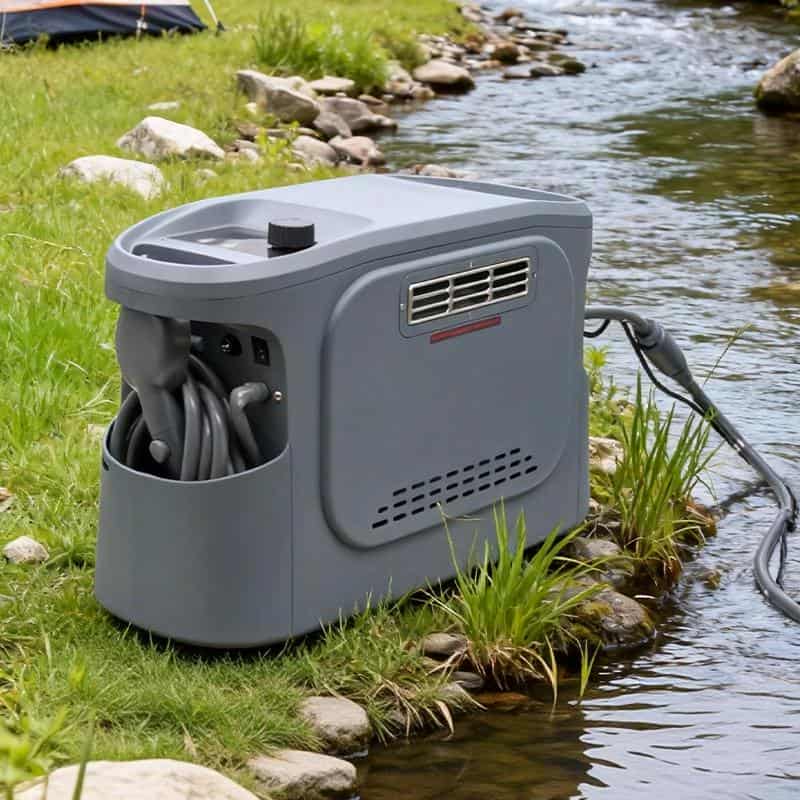
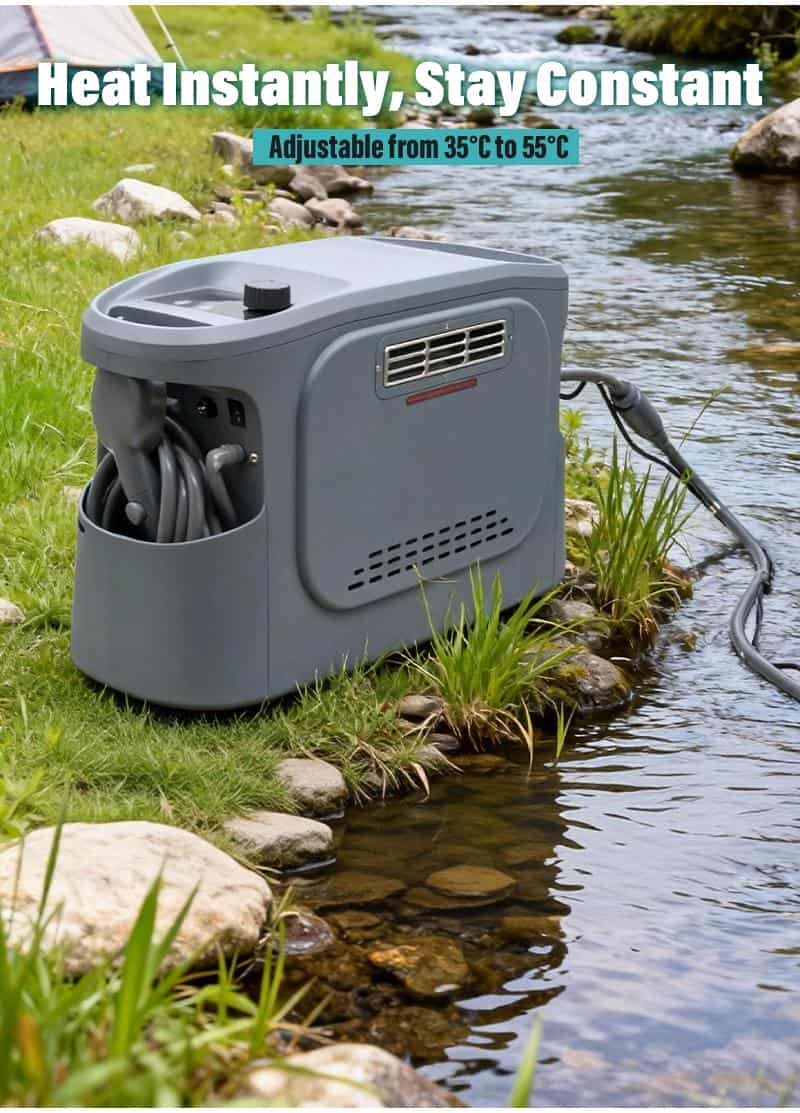
Buyers using compact portable gas water heater in a sourcing brief normally need to connect product positioning with packaging, sample-review checkpoints and the real dealer questions that appear before launch.
Useful buyer language includes model code, dealer comparison, sample review, packaging scope, quantity planning and quote timing for GWH-3. Market context still matters here: Market demand often includes accessories make RTT trips more comfortable, safer, and more organized. Related buyer language also includes outdoor hot water heater, camp shower heater, overland water heater.

FAQ
Can GWH-3 specifications be inferred from GWH-2?
No. Approve GWH-3 from its own current data sheet, rating label, manual, sample, packing record and commercial documents.
What should buyers send before asking for a quote?
Send target market, quantity plan, comparison models, packaging expectations and the main product questions that must be answered before launch.
Can SUVTent support sample review and dealer launch planning?
Yes. SUVTent can support model selection, sample discussion, packaging notes and the next-step workflow for dealer or distributor launch.