Ventilation-focused product page
Backside-Window Triangle Rooftop Tent
Backside-Window is positioned for buyers who need a triangle hard shell story with clearer airflow, rear-window ventilation and lower condensation risk in humid markets.
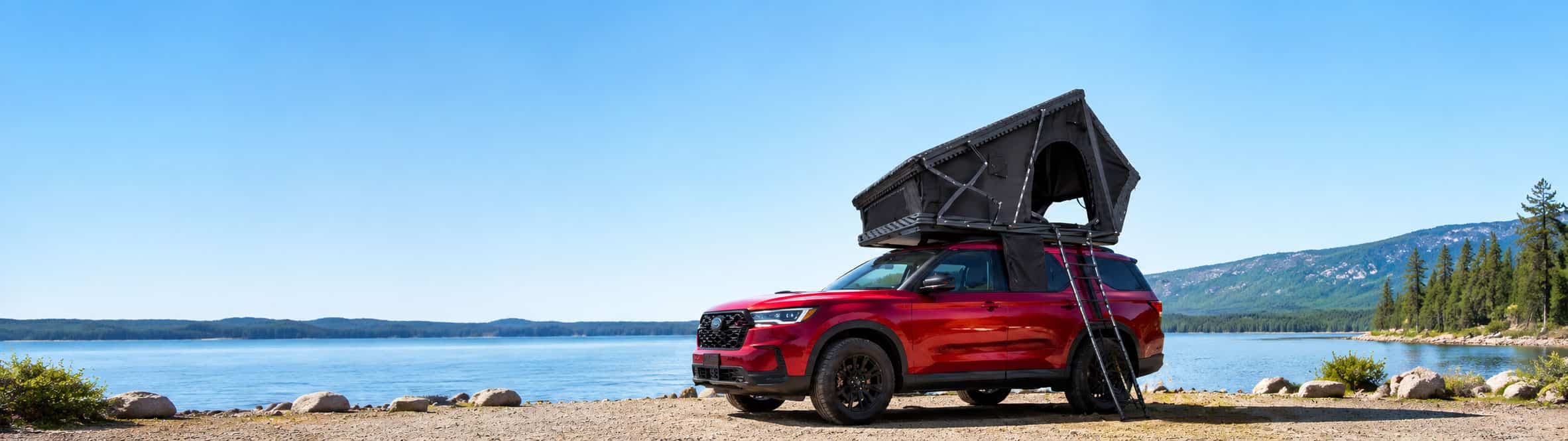
Quick answer: Backside-Window should be evaluated through airflow layout, rear-window positioning, shell opening angle, mattress drying behavior and dealer explanation points before it is added to a product line.
Last reviewed: 2026-07-15. Review this product page when the model positioning, sample evidence, packaging routine or dealer message changes.
Backside-Window Buyer Review Table
Backside-Window Triangle Rooftop Tent should be explained as a named model with a specific channel role for B2B Buyers. The page should help the buyer compare this SKU with sibling models, not just repeat general rooftop tent category wording.
| Review Area | Buyer Review Point |
|---|---|
| Rear-window airflow | Check whether the rear opening creates a useful air path across the sleeping area and whether the opening is easy to explain to end buyers. |
| Morning moisture handling | Ask how the product should be aired out after overnight humidity, light rain or cold-to-warm temperature shifts. |
| Retail story | Decide whether the product should be sold as a ventilation-led comfort model, a four-season option or a general hard shell tent. |
Focus Points for This Model
- rear-window opening angle
- cross-breeze path
- mattress drying routine
- morning pack-down note
- humid-market sales story
- vent panel explanation
- rear window RTT
- ventilation rooftop tent
- triangle hard shell tent
- backside window rooftop tent
Ventilation Logic for Buyer Discussions
Buyers comparing ventilation-led rooftop tents usually need to explain why window placement matters after the first rain or humid overnight setup. This page should therefore focus on airflow route, rear vent usefulness, and whether the product can be sold as a comfort-upgrade model instead of a generic hard shell tent.
Condensation and Moisture Review Checklist
A useful sourcing review should cover where humid air escapes, how quickly surfaces dry after morning pack-down, whether the rear opening improves cross-breeze, and what dealer teams should say about bedding care and fabric drying routine.
Dealer Messaging and Sample Priorities
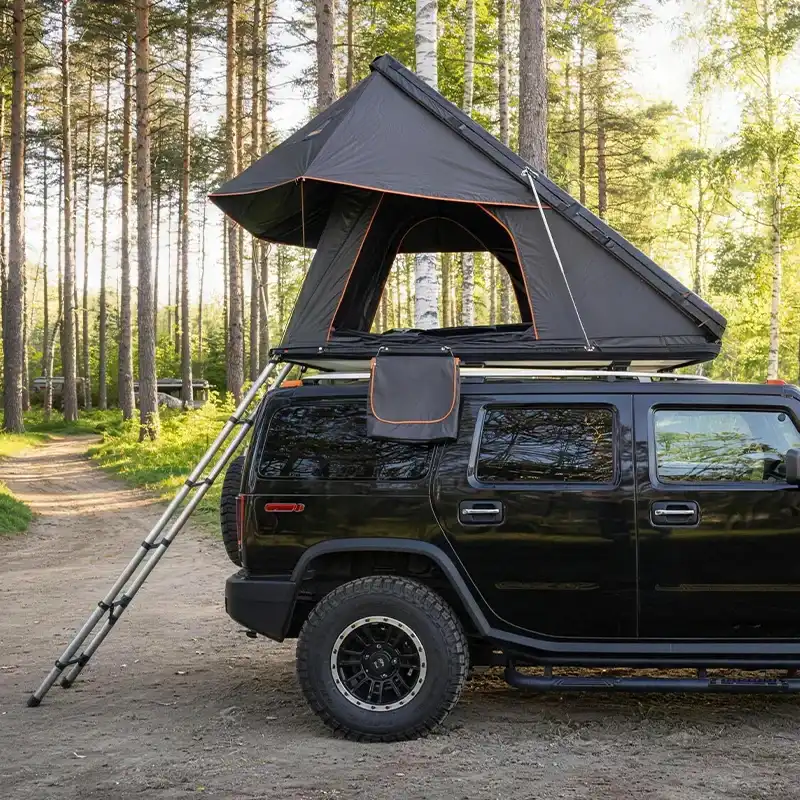
For dealer or distributor use, the sample should prove the ventilation story with photos of rear window opening, shell lift angle, interior air path and morning reset process. That gives the sales team a clearer reason to position the model for humid climates or comfort-led buyers.
Market Context and Buyer Language
market emphasizes ventilation/airflow to reduce moisture and condensation. That context should change how buyers ask about backside window rooftop tent: the useful discussion is model positioning, sample-proof questions, packaging details and quote readiness.
Related buyer language includes rear window RTT, ventilation rooftop tent, triangle hard shell tent. Those terms should be used to narrow the dealer story, not to flatten this page into another generic hard shell overview.
FAQ
Why would a buyer choose a backside-window triangle rooftop tent?
Because the rear-window layout gives the sales team a more specific airflow and moisture-control story than a generic hard shell model.
What should buyers send before asking for a quote?
Send target market, buyer role, expected quantity, comparison models, packaging priorities, sample questions and whether the model should sit in an entry, premium or mixed-SKU range.
Can SUVTent support sample review and dealer launch planning?
Yes. SUVTent can discuss sample review, model positioning, dealer proof materials, packaging notes and the practical next step for the selected model.