Bundle opportunities for distributors. Add awnings, camping tents, outdoor appliances and furniture to complement your RTT line and increase order value.
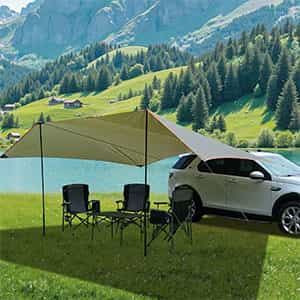
RV retractable awnings, foxwing tarps, car side tarps and tailgate tarps. Ideal bundle addition for distributors building a complete vehicle camping line.
Inflatable family tent, 4-season bivy, and pyramid tent. Widens your catalog for buyers who serve both vehicle and ground camping segments.
Oscillating fans, portable gas water heaters (GWH series), split-type ACs and 12V/24V car refrigerators. Strong for RV and overlanding channel buyers.
Lounge chairs, dual-seat chairs, moon chairs and the Eco Sleeping Bag with Sorona® Aura fill. Upsell and bundle opportunity.
Custom branding, packaging and design modifications available across RTT families and most accessory categories. Build your own product line on our manufacturing platform — ISO 9001 quality throughout.
Quick answer: By vehicle type means buyers should compare rooftop tents by SUV, pickup, truck bed rack, compact vehicle, and overlanding build requirements. The page should help dealers collect roof load, rack, footprint, height, and use-case information before recommending a model.
This page is written for dealers, 4x4 shops, rental fleets, and distributors who need vehicle-based recommendations and uses by vehicle type as the decision topic.
By Vehicle Type Rooftop Tent Selection for B2B Buyers
Vehicle-based selection is different from browsing product photos. Dealers need to know whether a tent's weight, footprint, ladder direction, and closed height fit the vehicles their customers actually drive.
The By Vehicle Type page should help buyers segment demand before asking for model recommendations. A compact SUV, a pickup with bed rack, and a premium 4x4 overlanding build can require different tent structures and support notes.
Vehicle segmentation
Group customers by SUV, pickup, truck bed rack, compact vehicle, and touring build instead of selling one model to everyone.
Fitment risk control
Ask for dynamic roof load, rack type, crossbar span, tent weight, and ladder angle before recommending a rooftop tent.
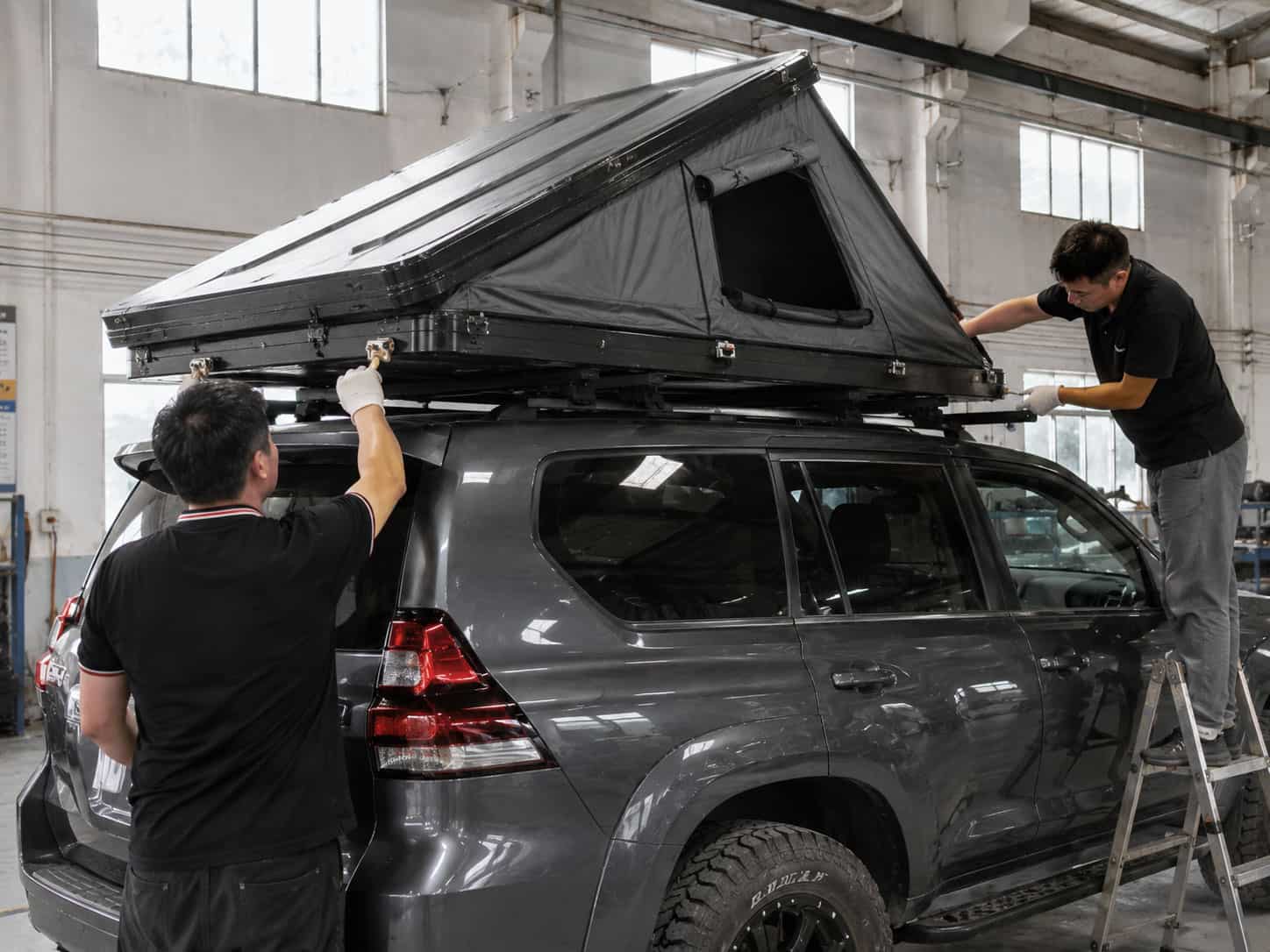
Vehicle Type Matching Guide
| Buyer question | What to review | Why it matters |
|---|---|---|
| Compact SUV | Lower weight, compact footprint, easy ladder placement, and lower closed height. | Helps avoid overloaded roofs and awkward installation. |
| Family SUV | Interior space, weight balance, side opening, and family camping comfort. | Matches larger end-user expectations without ignoring rack limits. |
| Pickup or bed rack | Bed rack height, overhang, tent orientation, and cargo access. | A pickup setup may solve roof load concerns but changes usability. |
| 4x4 overlanding build | Hard shell, accessory channels, awning bundle, spare parts, and rugged packaging. | Supports premium dealer positioning and repeat accessory sales. |
By Vehicle Type Inquiry Checklist
- List the most common vehicles in your customer base.
- Collect roof rack or bed rack specifications before comparing tent models.
- Group customers by compact SUV, family SUV, pickup, fleet, or overlanding build.
- Ask which product family reduces installation, weight, or support risk for each group.
- Prepare dealer notes so sales staff do not overpromise fitment.
Vehicle-Based Recommendation Flow
- Identify customer vehicle groups.
- Collect rack and roof load information.
- Match tent families to the vehicle group.
- Confirm installation and ladder direction questions.
- Use the compatibility page or contact form for uncertain cases.
by vehicle type Decision Notes for B2B Buyers
by vehicle type content should help the buyer make a more specific decision, not simply repeat a category name. For this page, the commercial purpose is vehicle-based category page for matching rooftop tent products to customer vehicle segments. That means the page should explain how the buyer can move from browsing to a useful next action.
The first evaluation area is compact suv: Lower weight, compact footprint, easy ladder placement, and lower closed height.. This matters because helps avoid overloaded roofs and awkward installation. The second area is family suv: Interior space, weight balance, side opening, and family camping comfort.. Together, these points help buyers compare suppliers by real usefulness instead of generic product claims.
Buyers should also review pickup or bed rack and 4x4 overlanding build. In practice, that means they should list the most common vehicles in your customer base. and collect roof rack or bed rack specifications before comparing tent models. before asking for final pricing or B2B product sourcing recommendations.
A practical by vehicle type inquiry should follow a sequence: Identify customer vehicle groups. Then the buyer should collect rack and roof load information., match tent families to the vehicle group., and confirm installation and ladder direction questions. This workflow gives SUVTent enough context to respond with relevant product, media, compatibility, or sourcing information.
The final step is to use the compatibility page or contact form for uncertain cases. This keeps the page useful for human buyers while also giving search systems a clear, structured explanation of the buyer intent behind by vehicle type.
Best-Fit Buyer Scenarios for by vehicle type
This page is most useful when the buyer already knows the kind of decision they need to make. A buyer focused on vehicle segmentation will read the page differently from a buyer focused on fitment risk control. The page should help both groups understand what to prepare before asking SUVTent for product, resource, or quote support.
A strong-fit buyer normally has a real business context: distributor launch, dealer training, product category expansion, private label planning, media asset request, or vehicle-based model selection. That context changes how by vehicle type information should be used. Without it, the supplier can only give broad catalog text; with it, SUVTent can point the buyer toward the right product family, resource path, or inquiry details.
This page is less useful for buyers who want a one-line answer without sharing market, channel, product role, or support needs. The topic includes practical checks such as compact suv, family suv, pickup or bed rack, and 4x4 overlanding build. Each one affects how the page should guide the next action.
Before contacting SUVTent, buyers should group customers by compact suv, family suv, pickup, fleet, or overlanding build. They should also ask which product family reduces installation, weight, or support risk for each group. and prepare dealer notes so sales staff do not overpromise fitment. This makes the inquiry easier to answer and reduces repeated questions about model choice, media needs, packaging, sample review, or compatibility.
The recommended next step is simple: Identify customer vehicle groups. Then collect rack and roof load information. and match tent families to the vehicle group. If the page raises a specific question, move to confirm installation and ladder direction questions. and finally use the compatibility page or contact form for uncertain cases.
One common question for this page is: Why organize rooftop tents by vehicle type? The practical answer is: Vehicle type affects roof load, rack spacing, installed height, ladder access, and customer expectations. This answer is included because real B2B buyers often need to justify the next step internally before they request a quote, sample, or media package.
For by vehicle type, SUVTent should be evaluated by how clearly the page turns a broad category or resource question into a next action. If the buyer can leave the page knowing what to compare, what to verify, and what to send in an inquiry, the page is doing useful commercial work instead of only adding SEO text.
Internal Paths Connected to by vehicle type
Continue through SUVTent's related pages: products, compatibility, wholesale, OEM, sample program, and contact. These links help buyers move from category or resource reading into product selection, compatibility review, sample planning, OEM discussion, wholesale planning, or direct inquiry.
Verification Notes for by vehicle type
B2B vehicle and rack fitment should be verified with vehicle and rack information. SUVTent can support product-side selection, but buyers should check rack manufacturer guidance and local installation requirements. Buyers can use the ISO 9001 quality management overview as a question framework and Google's structured data documentation as context for clear page entities and FAQs.
FAQ About by vehicle type
Why organize rooftop tents by vehicle type?
Vehicle type affects roof load, rack spacing, installed height, ladder access, and customer expectations.
Can one model fit every vehicle category?
No. A model that works well for a pickup bed rack may not be ideal for a compact SUV or family crossover.
What information should dealers collect first?
Collect vehicle model, roof type, rack details, target tent size, and customer use case.
Where should uncertain fitment questions go?
Send them through the compatibility or contact page with vehicle and rack details.
Next Step for by vehicle type
Send the target vehicle type, rack system, and product family so SUVTent can help narrow safer rooftop tent recommendations.